
Find an animal or organism without digging through a long gallery.
The browse-home for the Sanctum life lane: broad groups first, direct organism pages next, and deeper family/source navigation kept visible without blurring model or runtime truth.
Start here when you need fast animal discovery, not one more giant wall.
This page should help image, browse, and taxonomy work stay legible together. Start here to pick the right group shelf, jump into a direct organism page, or open the deeper family atlas without implying model or runtime proof.
Open mammals, dinosaurs, fossils, reptiles, birds, amphibians, invertebrates, sea life, and other shelf routes first.
Open groups Go straight to a page Direct OrganismsJump straight to Bison, T. rex, Lion, Eagle, Rhino, Elephant, Frog, or other direct dossier-seed pages.
Open pages Go deeper into source Animalia FamiliesOpen the virtual family atlas when the browse problem is bigger than a single public organism page.
Open atlas Return to the image lane AnimalsGo back to the animal visual shelf when the need is concept art and image direction rather than taxonomy browse structure.
Open animals Cross to a related lane FossilsMove into the fossil lane when replacement cards, fossil-era concepts, and extinct browse paths are the real need.
Open fossils Check the gates BoundarySee the clear line between live navigation, dossier depth, family source routes, and still-closed model or runtime claims.
Review boundaryStart broad, then click straight into the organism.
The point is simple: visitors should not hunt through a giant wall to find Bison, T. rex, or a frog. Each group is a landing page, and each organism can become its own source-honest page, so browse work stays calmer than the raw image wall.
Herd animals, predators, work animals, and large-bodied living creatures that need direct pages instead of being buried in a long gallery.
33 seed entries Extinct and fossil-known life Fossil OrganismsDinosaurs, marine reptiles, arthropods, shells, and other fossil organisms with public concept cards or review slots.
9 seed entries Serpents, reptiles, and reptile-like fossil lanes ReptilesLiving reptiles and fossil reptile-adjacent organisms stay separated from mammals and birds so visitors can browse the right shelf.
11 seed entries Winged animals BirdsBird concepts and future bird entries get their own lane so sky silhouettes are easy to find.
7 seed entries Water-and-land life AmphibiansAmphibian entries such as frogs live here as the atlas grows deeper.
1 seed entries No-backbone organisms InvertebratesShells, arthropods, swarms, and other invertebrate organisms are kept findable without forcing visitors through all animals.
6 seed entries Small-bodied creatures Small AnimalsMice, hares, insects, and other small animal pages stay findable without being buried under large mammals or encounter concepts.
8 seed entries Marine organisms Sea LifeMarine organisms and future sea-creature entries get a simple browse lane.
9 seed entries Grazers and herd bodies Herd AnimalsBison, buffalo, antelope-like animals, zebra, and other group-moving herbivores stay findable from a practical public shelf.
15 seed entries Domestic and burden-bearing animals Work AnimalsOx, donkey, horse, camel, and other work or village companion animals get a direct landing page for easy browsing.
7 seed entries Massive land mammals Large MammalsLarge-bodied mammals such as elephant, rhinoceros, hippopotamus, mammoth, bison, buffalo, giraffe, elk, and moose stay visible without a long gallery hunt.
12 seed entries Hunter and threat silhouettes PredatorsLions, wolves, bears, hyenas, big cats, and other predator concepts have their own browse shelf.
12 seed entries Dinosaur-era organism pages DinosaursDinosaur targets such as Tyrannosaurus Rex, Triceratops, and Apatosaurus get a direct fossil-organism landing page.
3 seed entries Pterosaur and sky-fossil lane Flying ReptilesFlying fossil reptiles such as Pteranodon stay separate from birds while still being easy to find.
1 seed entries Fossil shells and arthropods Fossil InvertebratesTrilobites, ammonites, anomalocarids, scorpion forms, and other no-backbone fossil organisms get a deeper shelf.
3 seed entries Dryland animals and encounter silhouettes Desert CreaturesCamel, gazelle, desert asp, desert scorpion, jackal, and other desert-leaning concepts are grouped for quick public browsing.
20 seed entries Concept-only creature lane Encounter CreaturesEnemy and creature concept sheets can be browsed here without implying gameplay behavior or runtime import.
14 seed entriesDirect organism pages are now one click away.
Use the compact index first. The visual card wall is optional so this hub stays useful as the registry grows and so direct animal discovery does not depend on scrolling through art-heavy shelves.
These pages add visitor questions, source next steps, and page-purpose notes without opening model, GLB, import, or runtime claims.
Optional visual index Open 63 organism cards
 Fossil Organisms / Invertebrates / Sea Life / Fossil Invertebrates
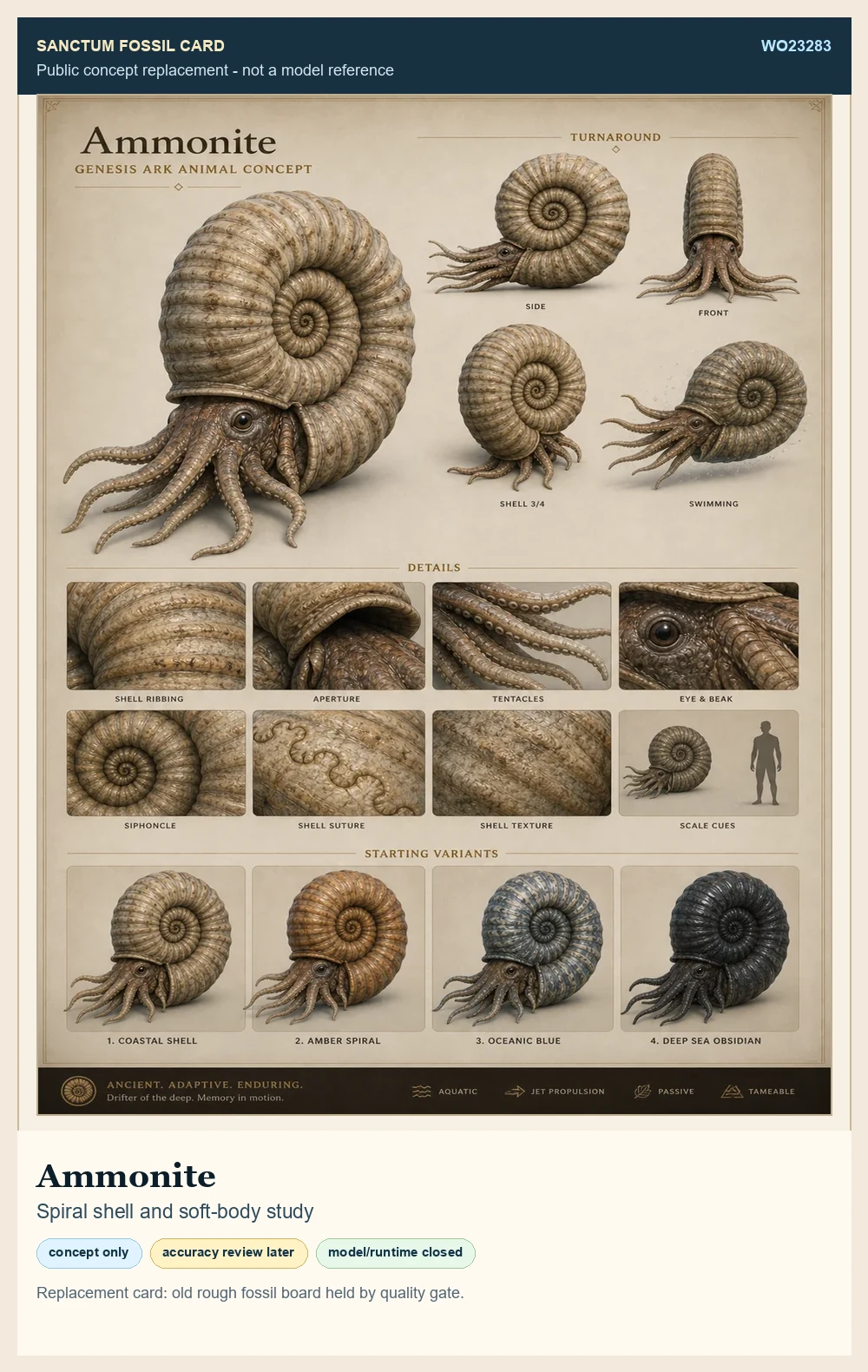
Ammonite
Fossil Organisms / Invertebrates / Sea Life / Fossil Invertebrates
Ammonite
Coiled-shell fossil organism with replacement card.
Open page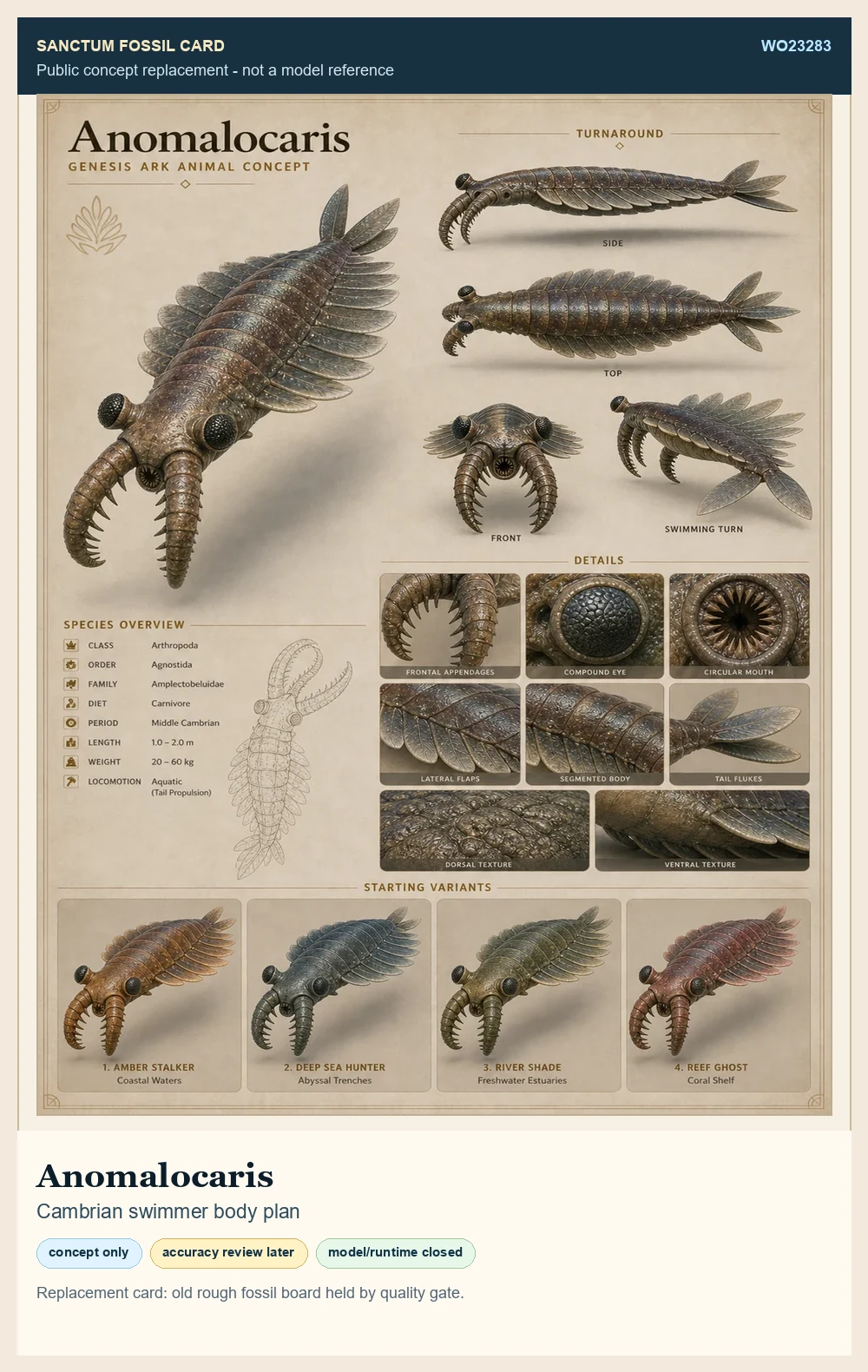 Fossil Organisms / Invertebrates / Sea Life / Fossil Invertebrates
Anomalocaris
Fossil Organisms / Invertebrates / Sea Life / Fossil Invertebrates
Anomalocaris
Cambrian fossil swimmer with replacement card.
Open page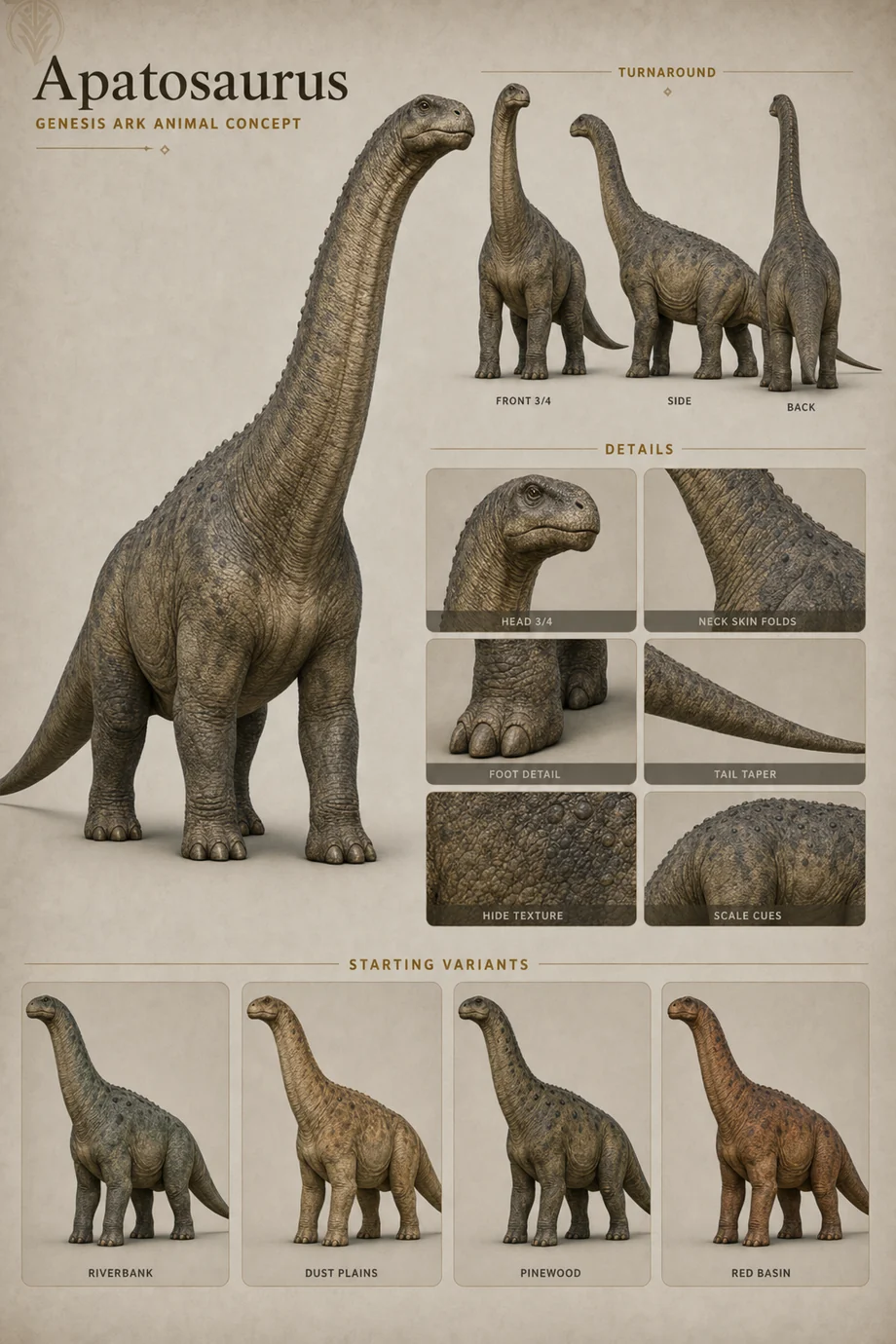 Fossil Organisms / Reptiles / Dinosaurs
Apatosaurus
Fossil Organisms / Reptiles / Dinosaurs
Apatosaurus
Long-neck fossil herbivore with a public website concept candidate.
Open page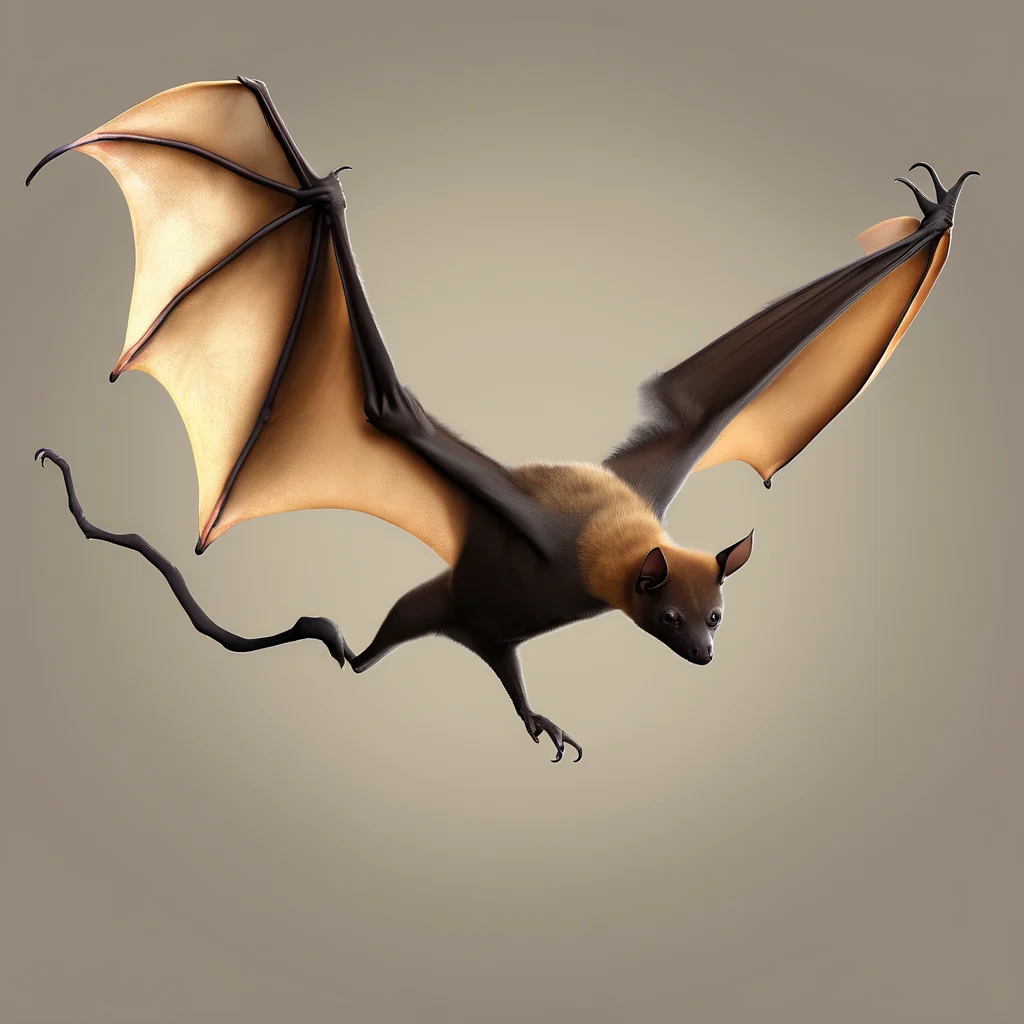 Mammals / Small Animals
Bat
Mammals / Small Animals
Bat
Flying mammal concept with an accepted public candidate.
Open page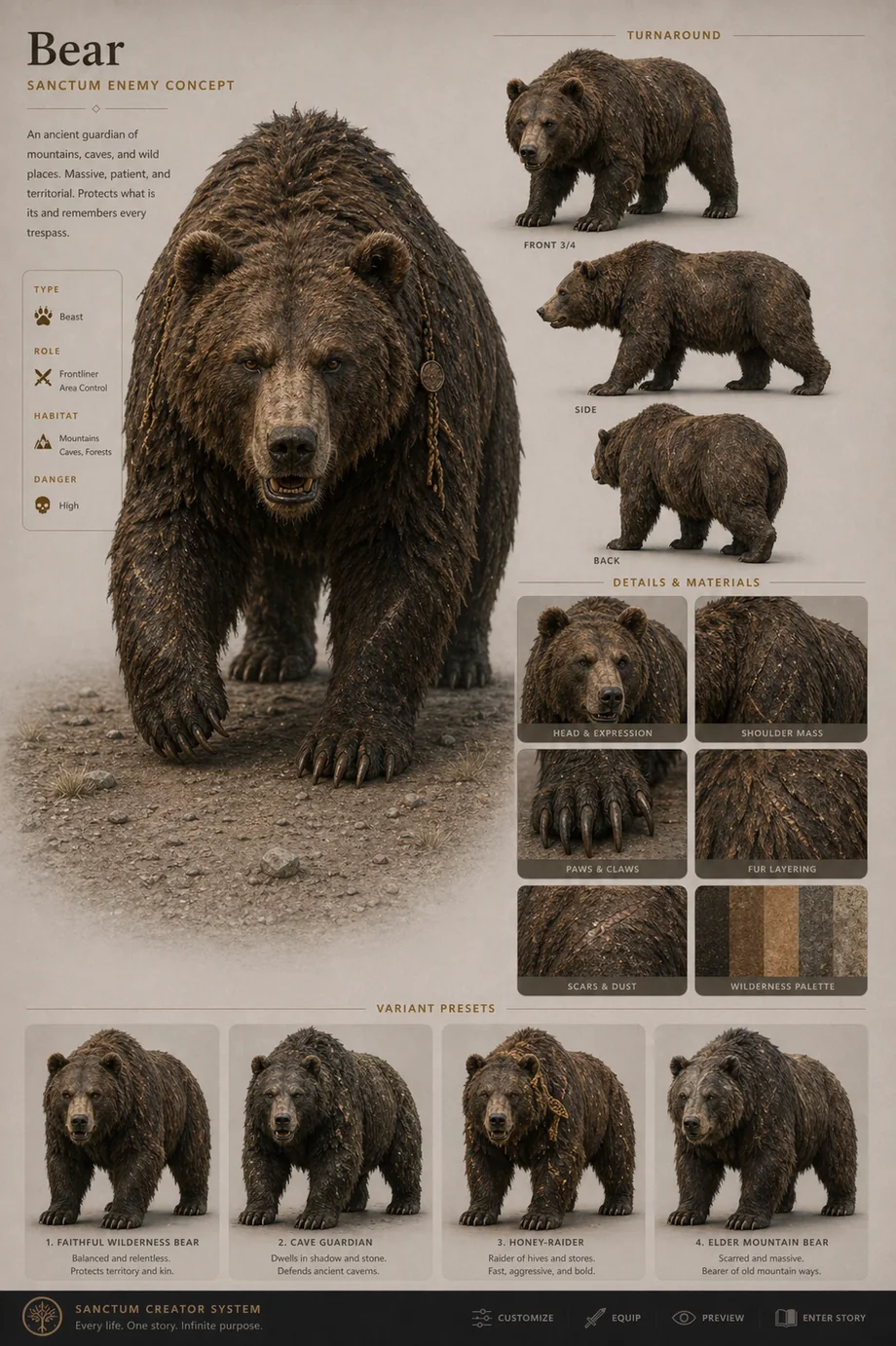 Mammals / Predators / Large Mammals / Encounter Creatures
Bear
Mammals / Predators / Large Mammals / Encounter Creatures
Bear
Heavy predator creature concept with a direct page.
Open page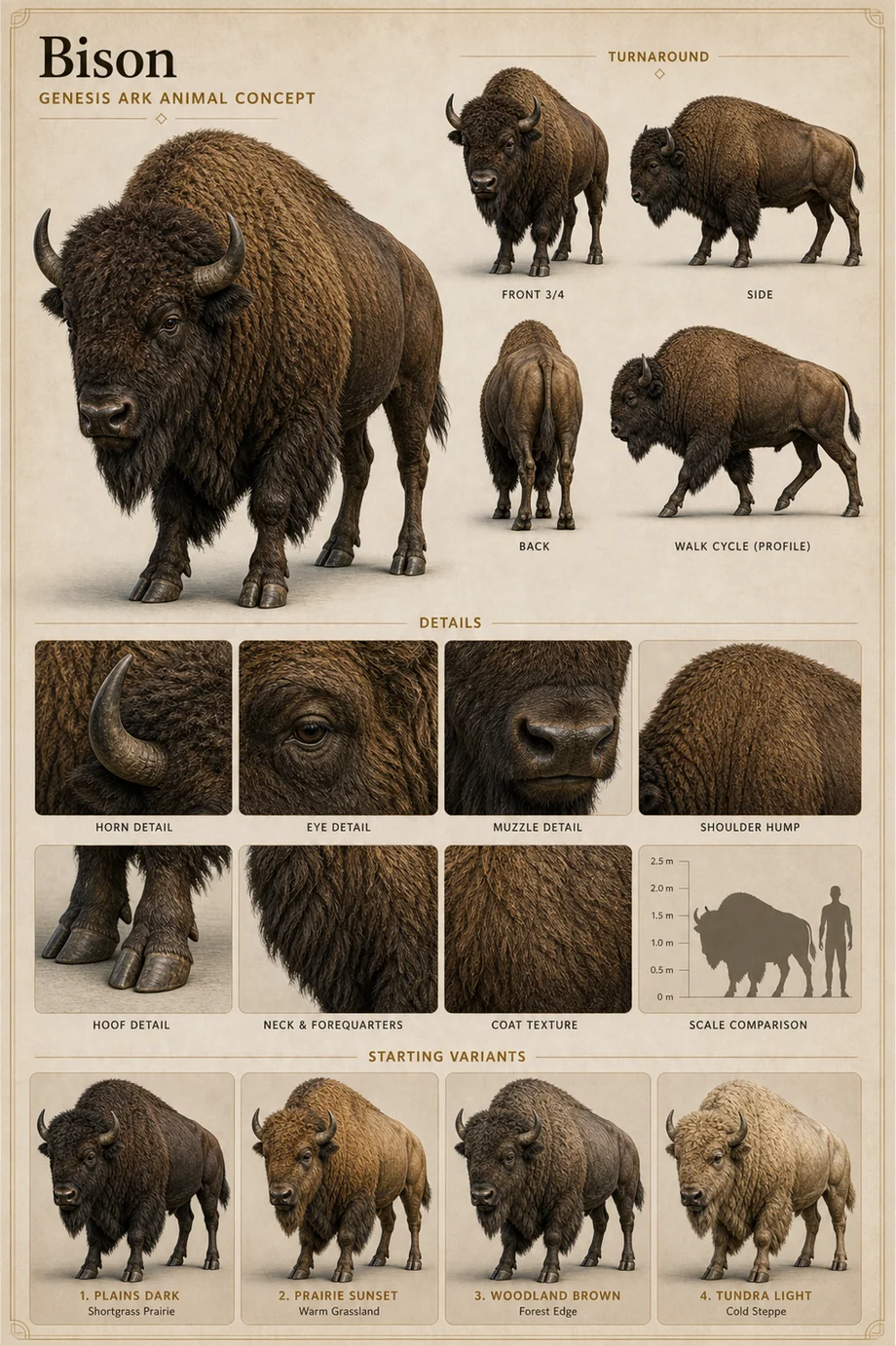 Mammals / Herd Animals / Large Mammals
Bison
Mammals / Herd Animals / Large Mammals
Bison
Heavy plains herd animal with a direct Sanctum atlas page.
Open page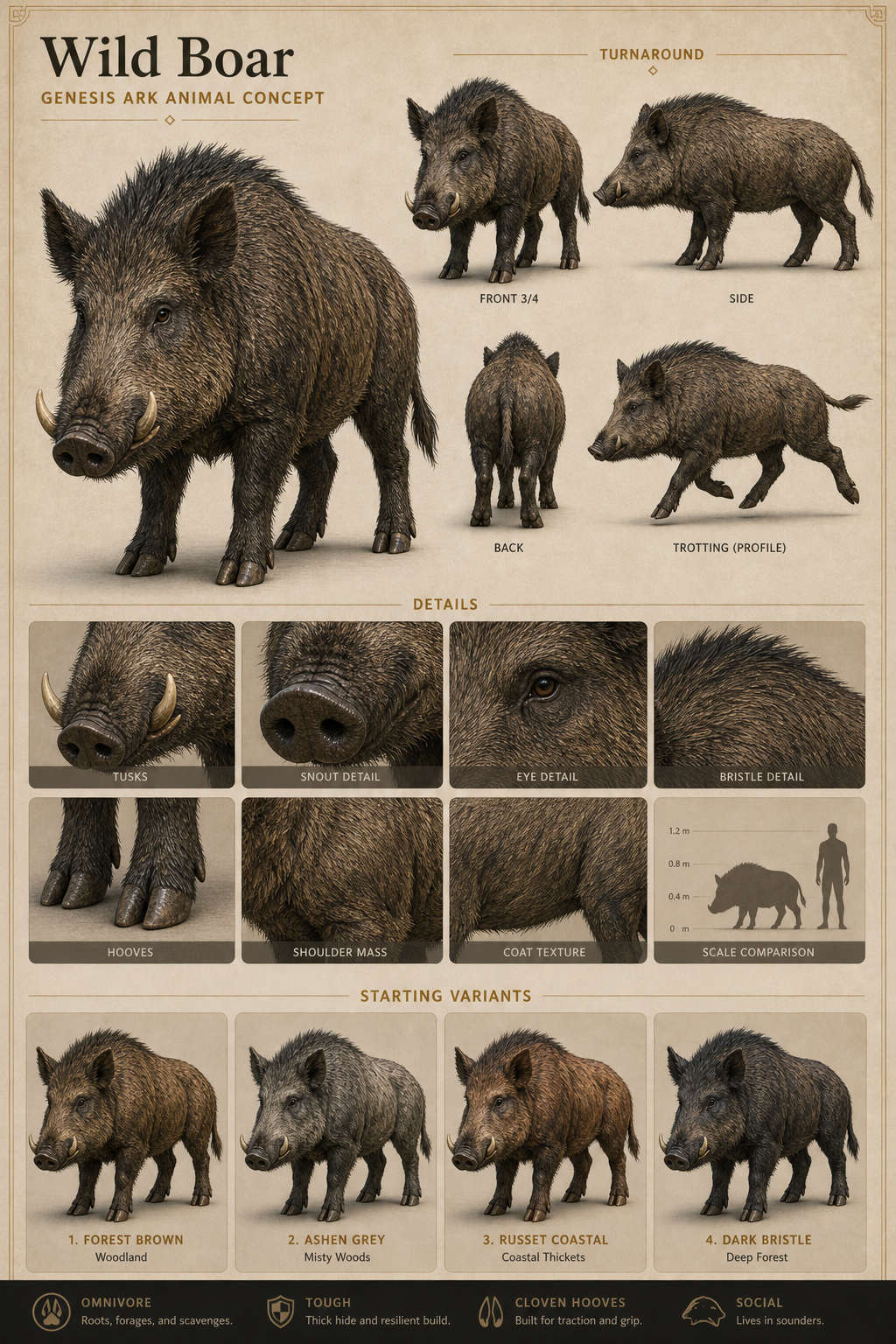 Mammals / Herd Animals
Boar
Mammals / Herd Animals
Boar
Manifest-derived concept page generated for individual wiki coverage.
Open page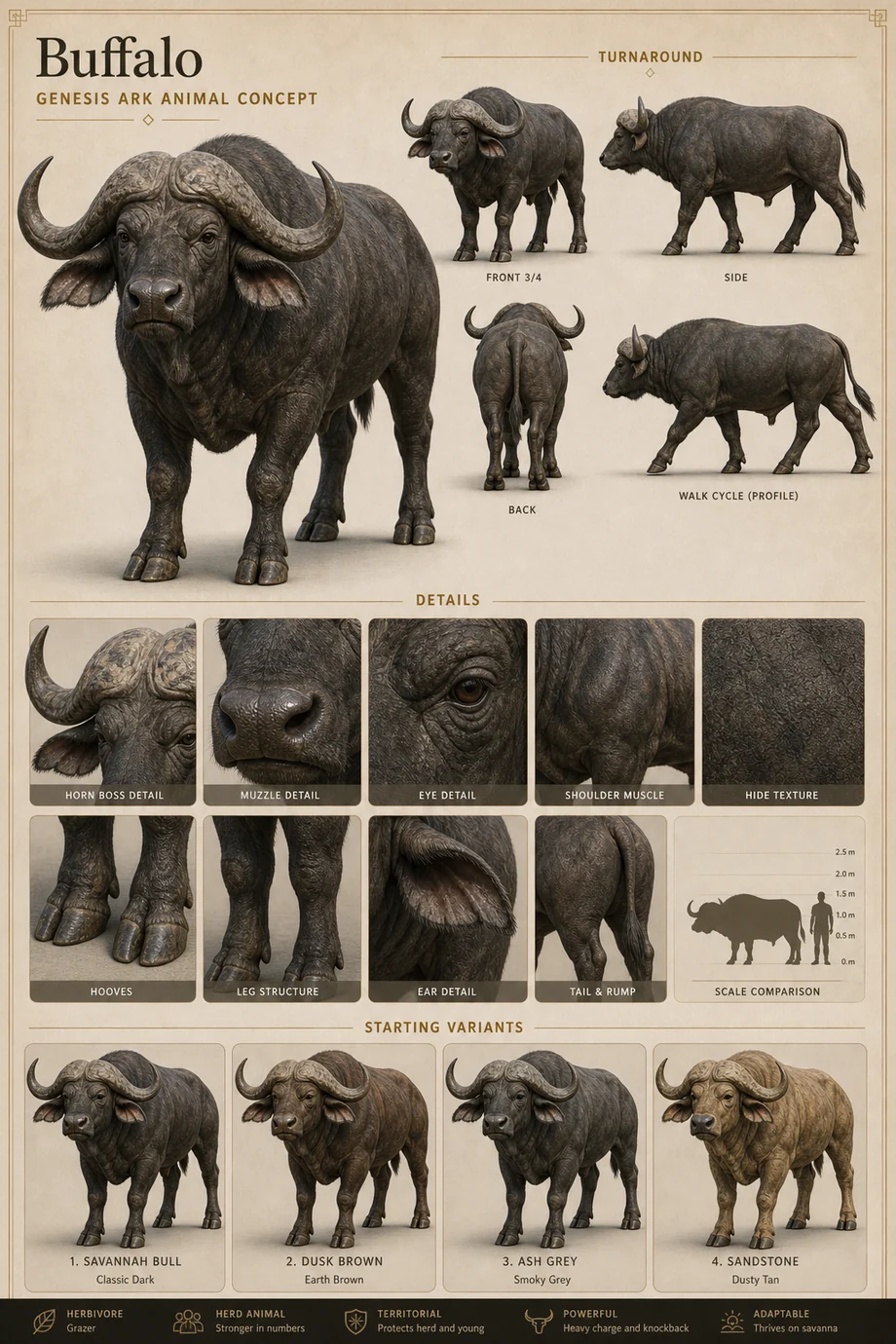 Mammals / Herd Animals / Large Mammals
Buffalo
Mammals / Herd Animals / Large Mammals
Buffalo
Heavy herd mammal with a public website concept candidate.
Open page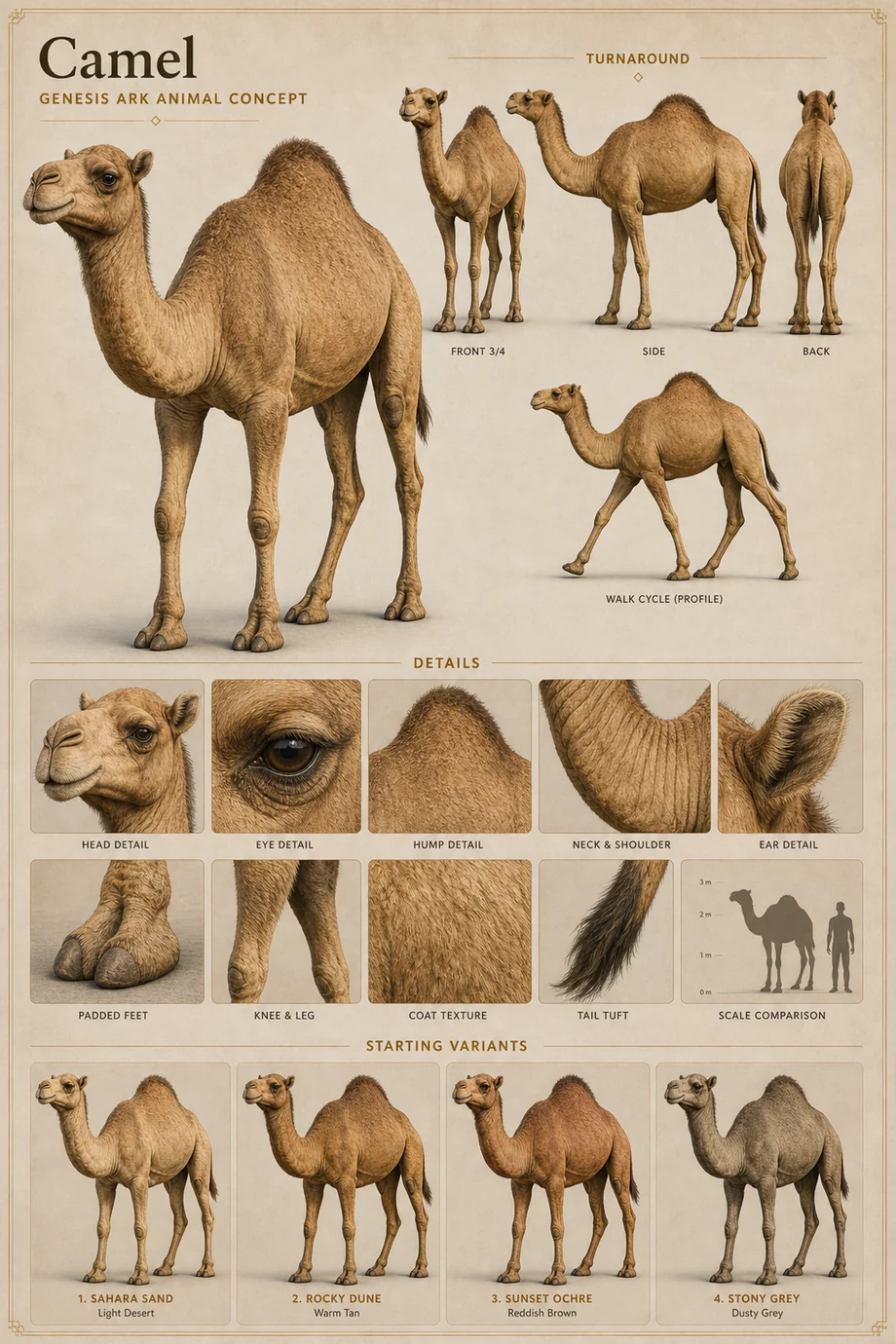 Mammals / Work Animals / Herd Animals / Desert Creatures
Camel
Mammals / Work Animals / Herd Animals / Desert Creatures
Camel
Desert work animal with a public website concept candidate.
Open page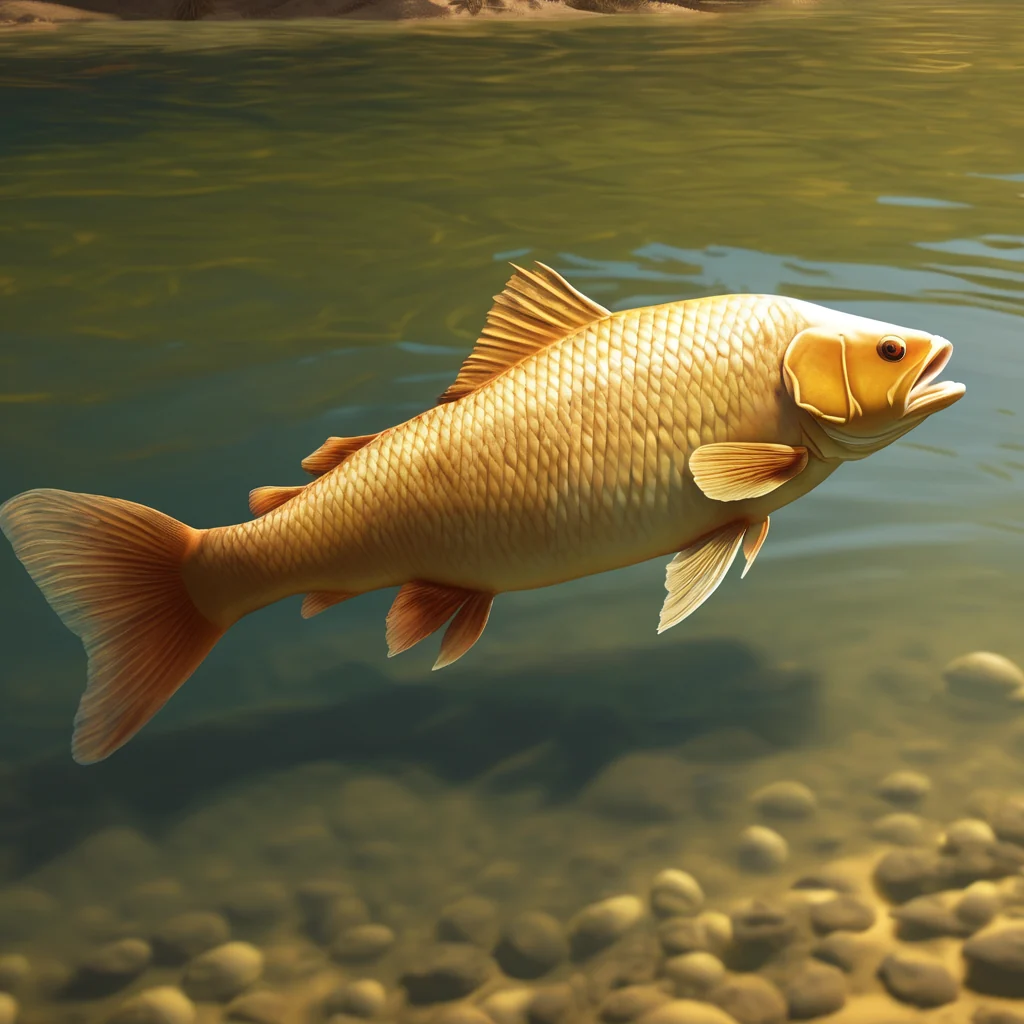 Sea Life
Carp
Sea Life
Carp
Freshwater carp concept with accepted public candidates.
Open page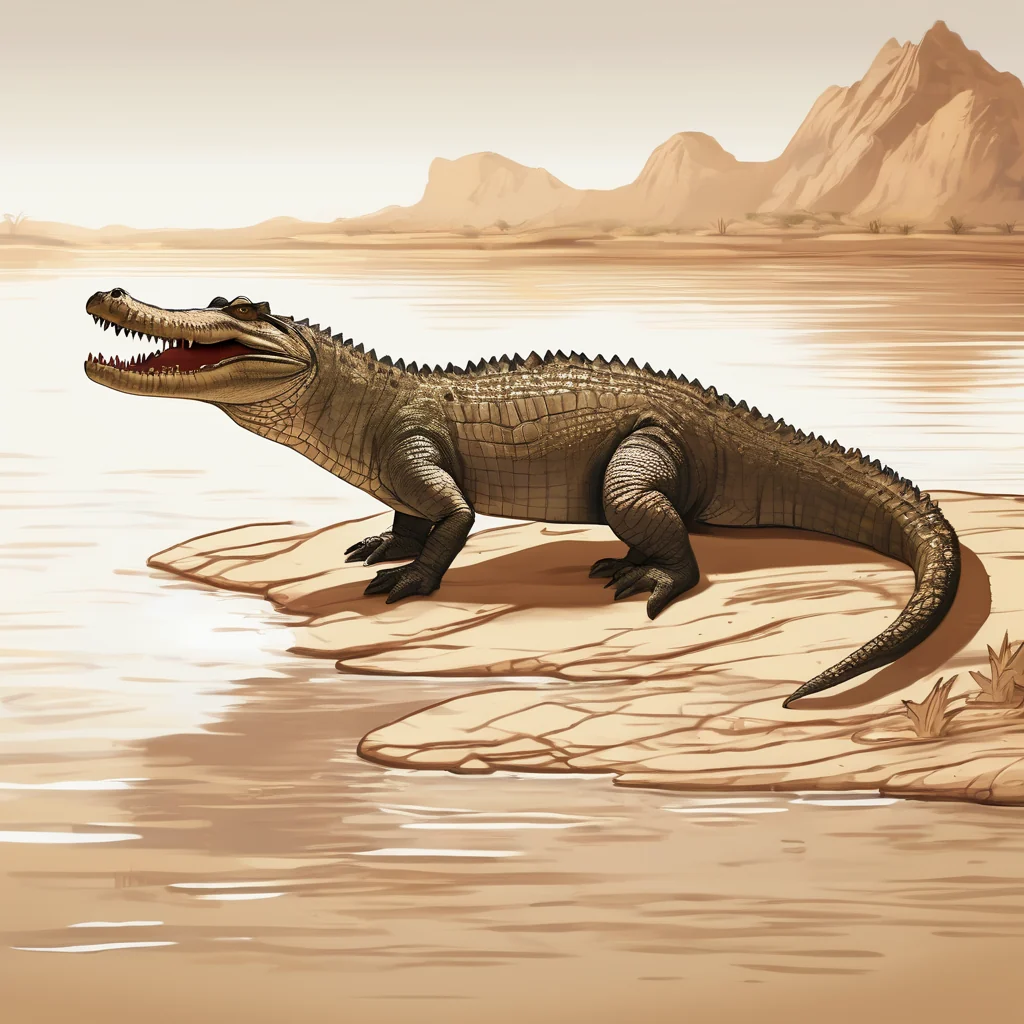 Reptiles / Predators
Crocodile
Reptiles / Predators
Crocodile
Armored water-edge reptile concept with an accepted public candidate.
Open page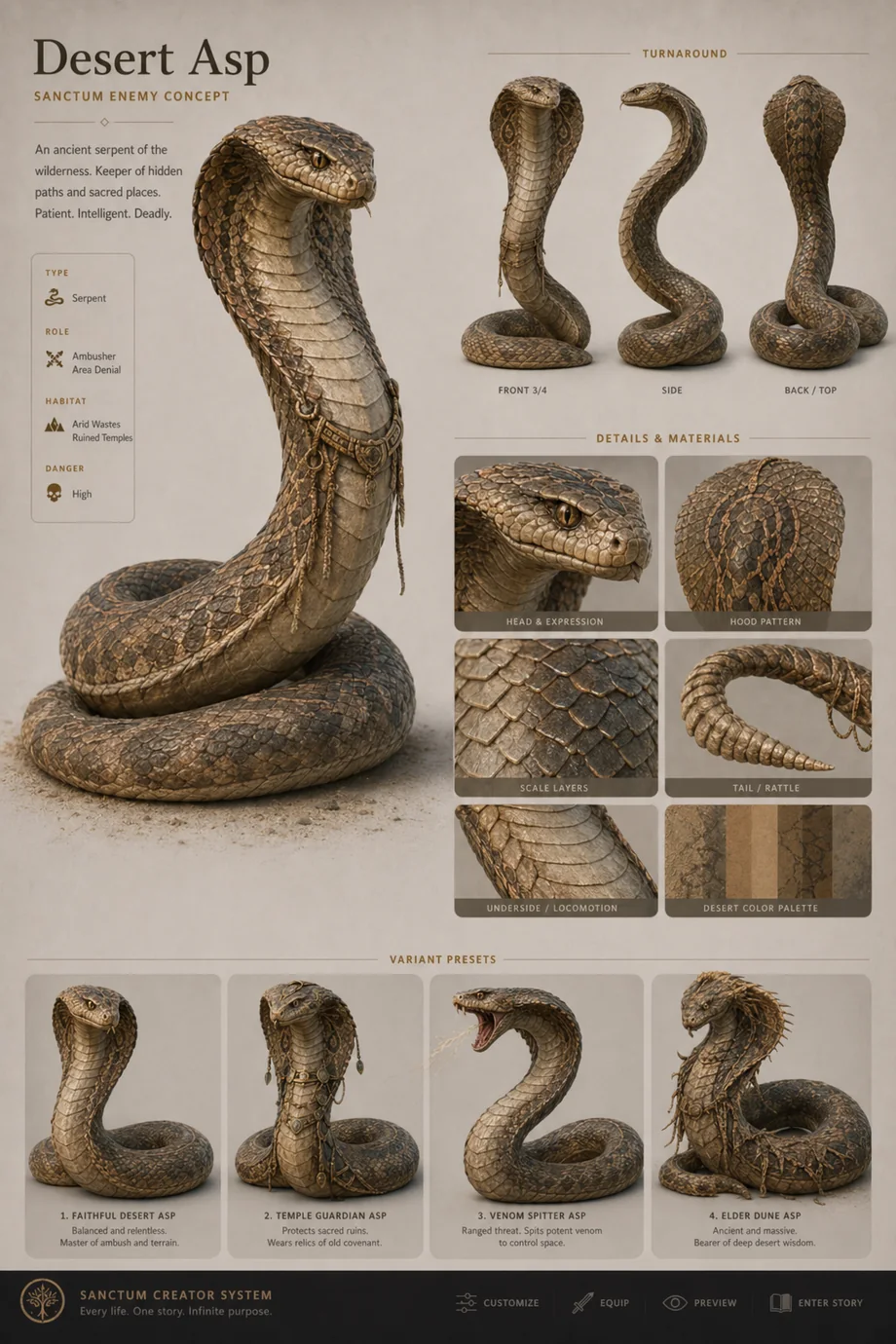 Reptiles / Desert Creatures / Encounter Creatures
Desert Asp
Reptiles / Desert Creatures / Encounter Creatures
Desert Asp
Serpent/reptile enemy concept target.
Open page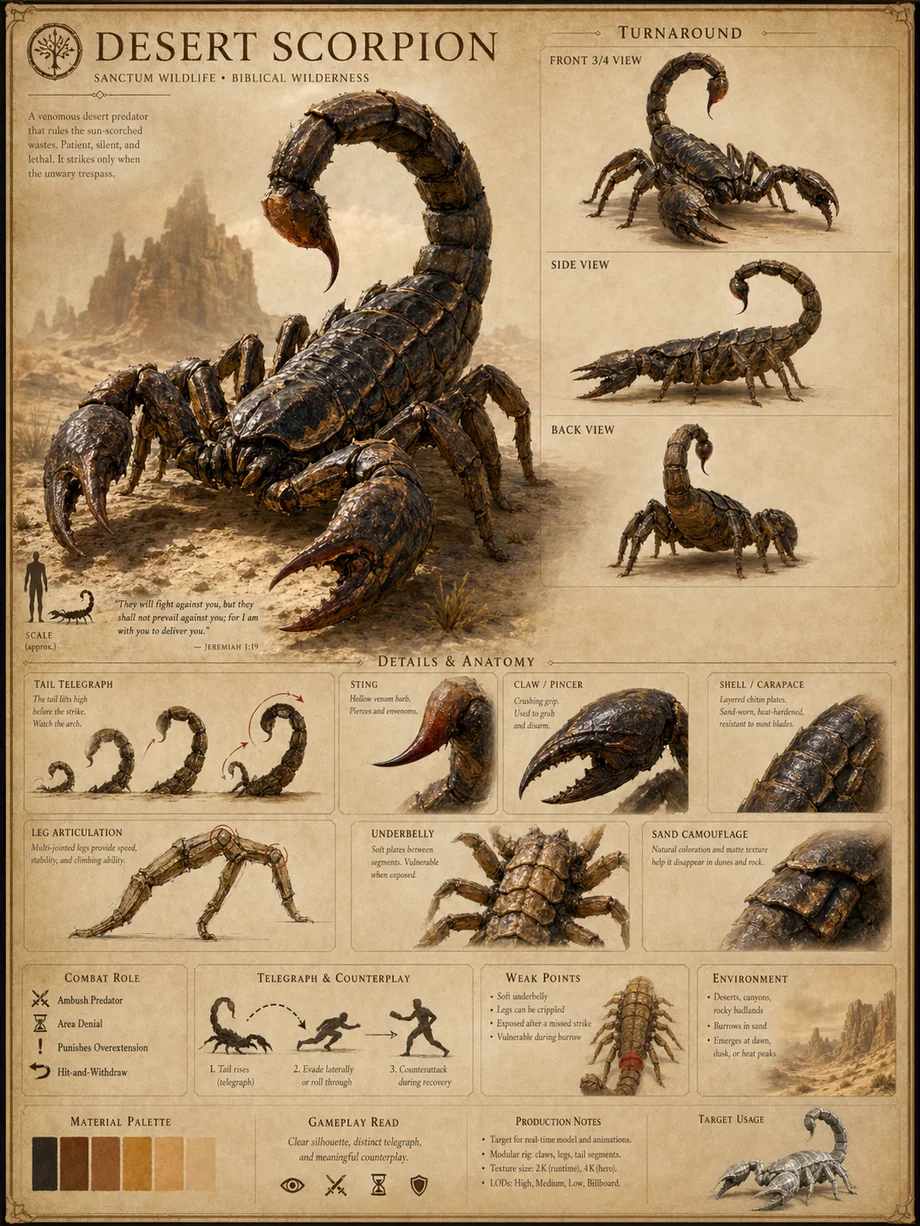 Invertebrates / Desert Creatures / Encounter Creatures
Desert Scorpion
Invertebrates / Desert Creatures / Encounter Creatures
Desert Scorpion
Desert arthropod enemy concept with a direct page.
Open page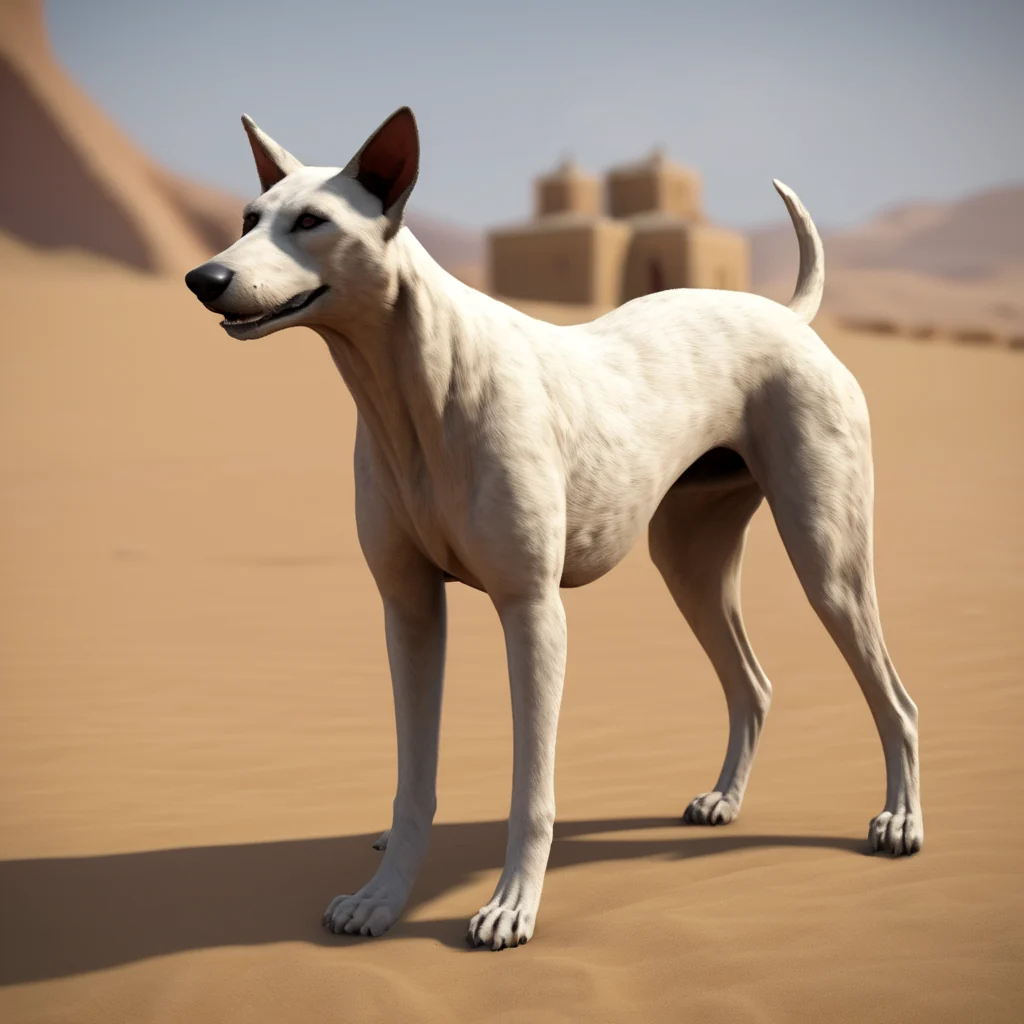 Mammals / Work Animals / Desert Creatures
Dog
Mammals / Work Animals / Desert Creatures
Dog
Village dog concept with an accepted public candidate.
Open page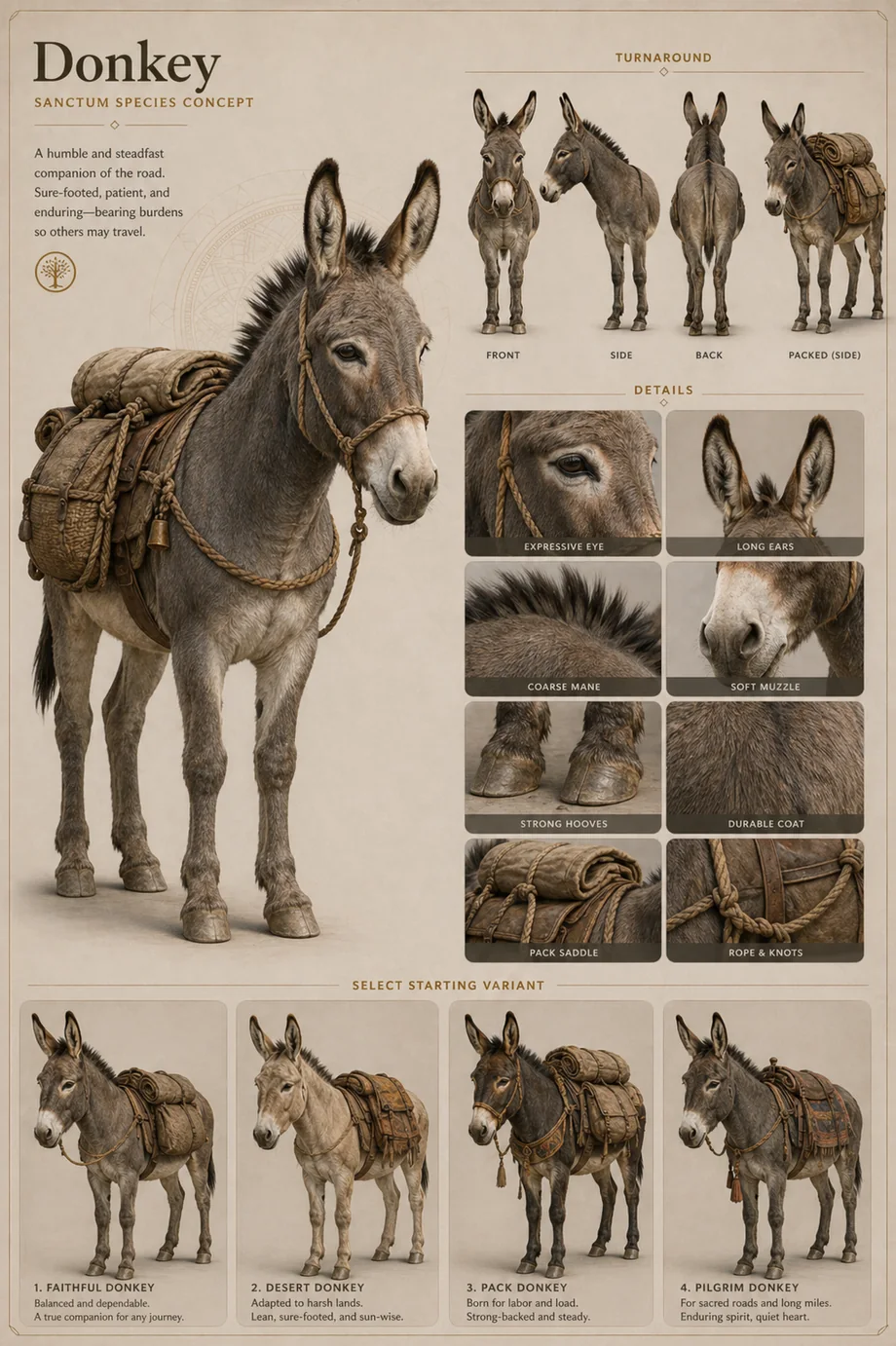 Mammals / Work Animals
Donkey
Mammals / Work Animals
Donkey
Trail and village companion animal with a public concept sheet.
Open page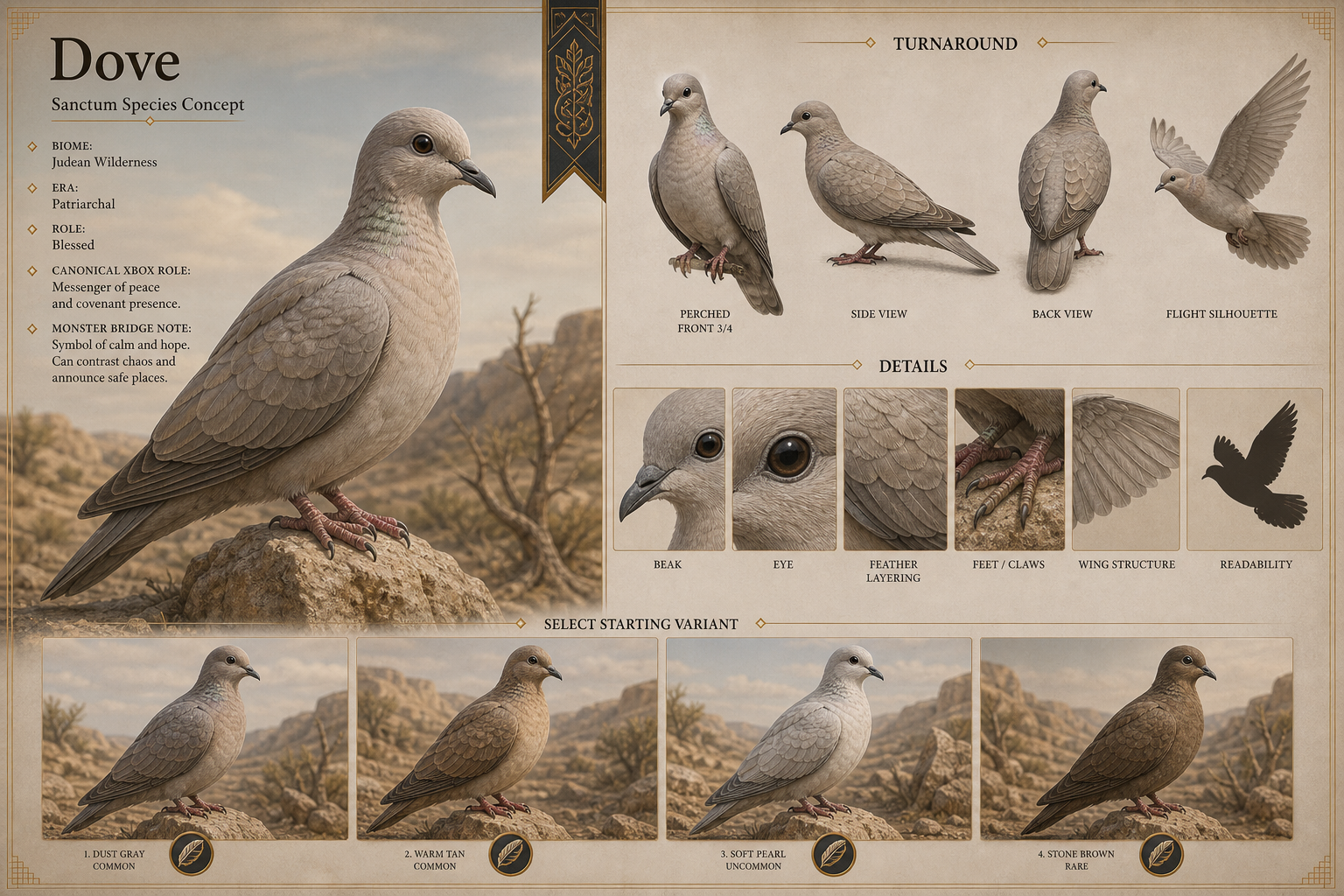 Birds
Dove
Birds
Dove
Manifest-derived concept page generated for individual wiki coverage.
Open page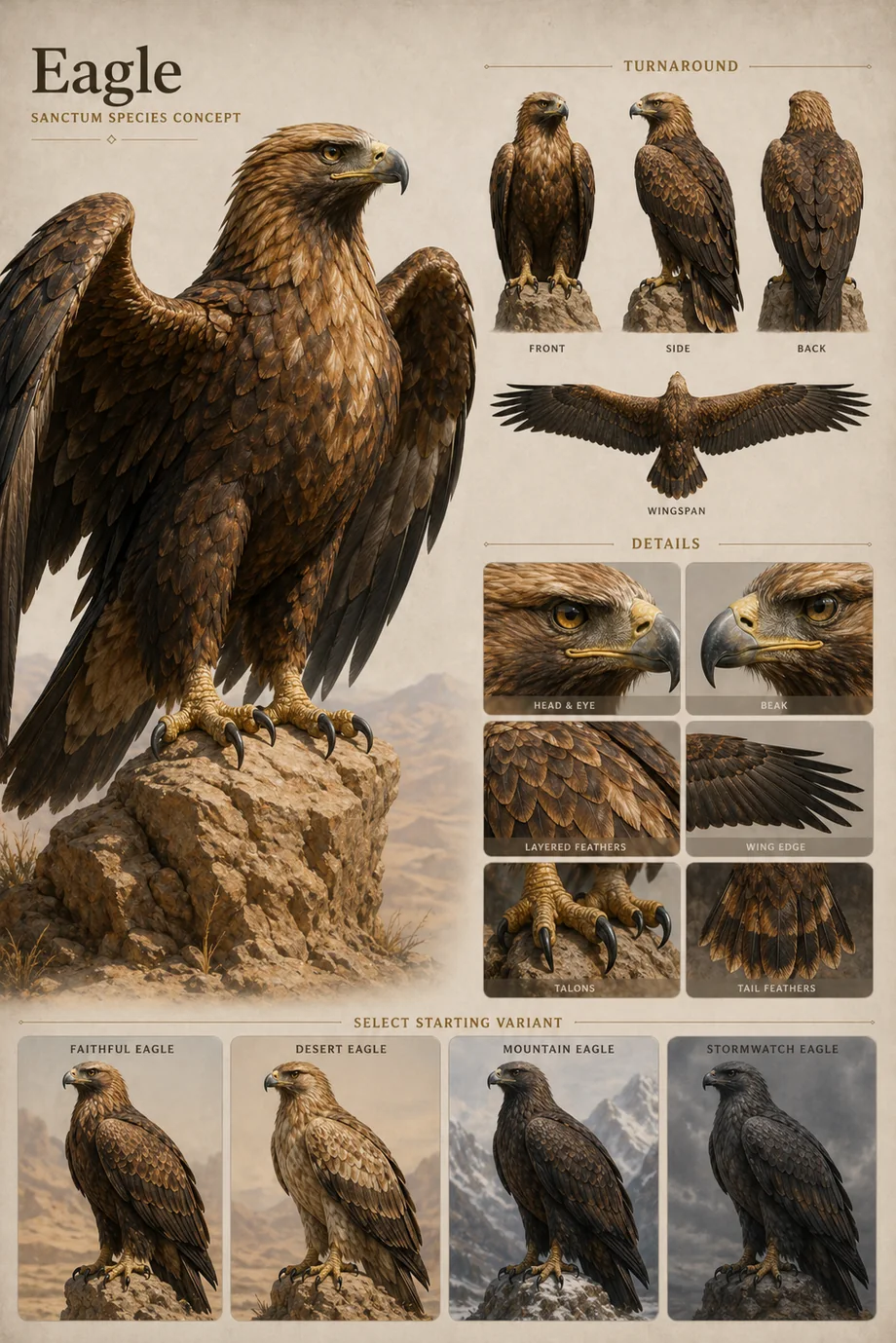 Birds / Encounter Creatures
Eagle
Birds / Encounter Creatures
Eagle
Bird concept with a sky-silhouette lane.
Open page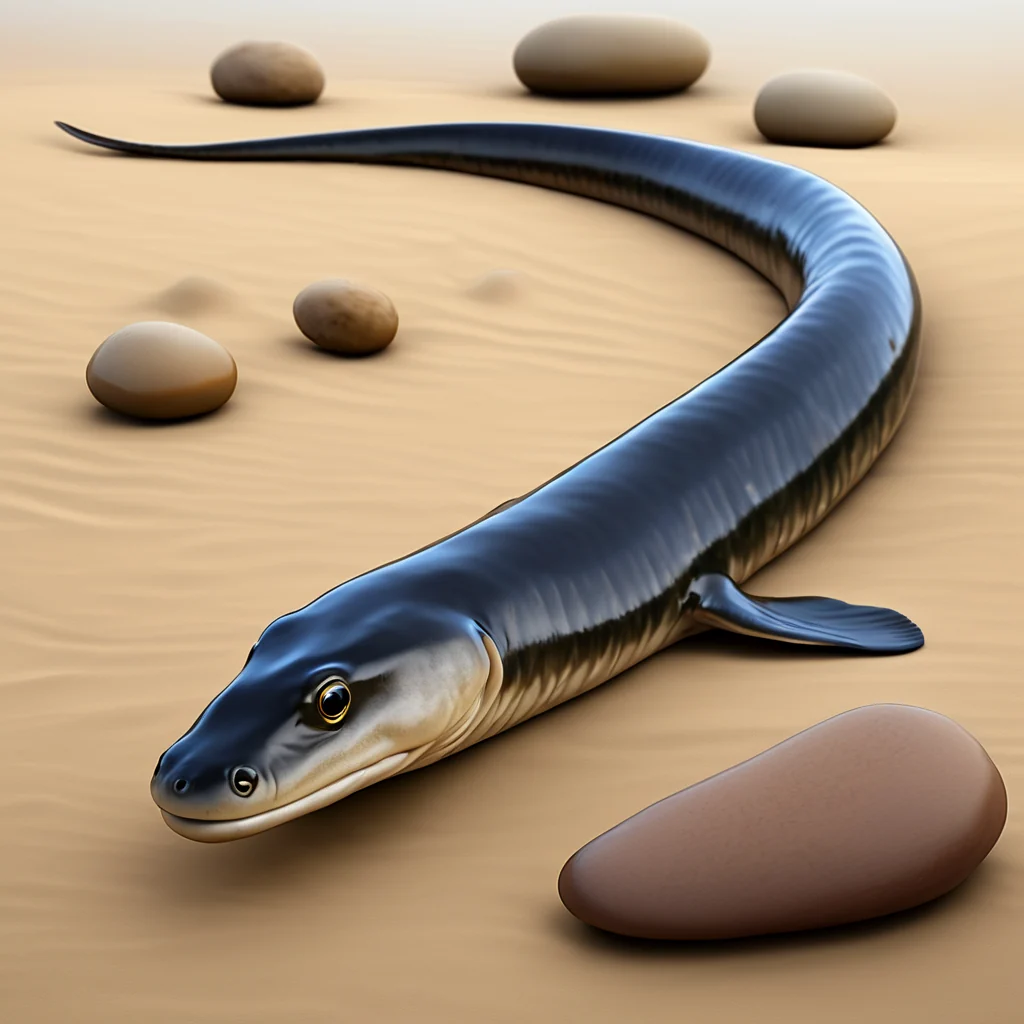 Sea Life
Eel
Sea Life
Eel
Long-bodied eel concept with an accepted public candidate.
Open page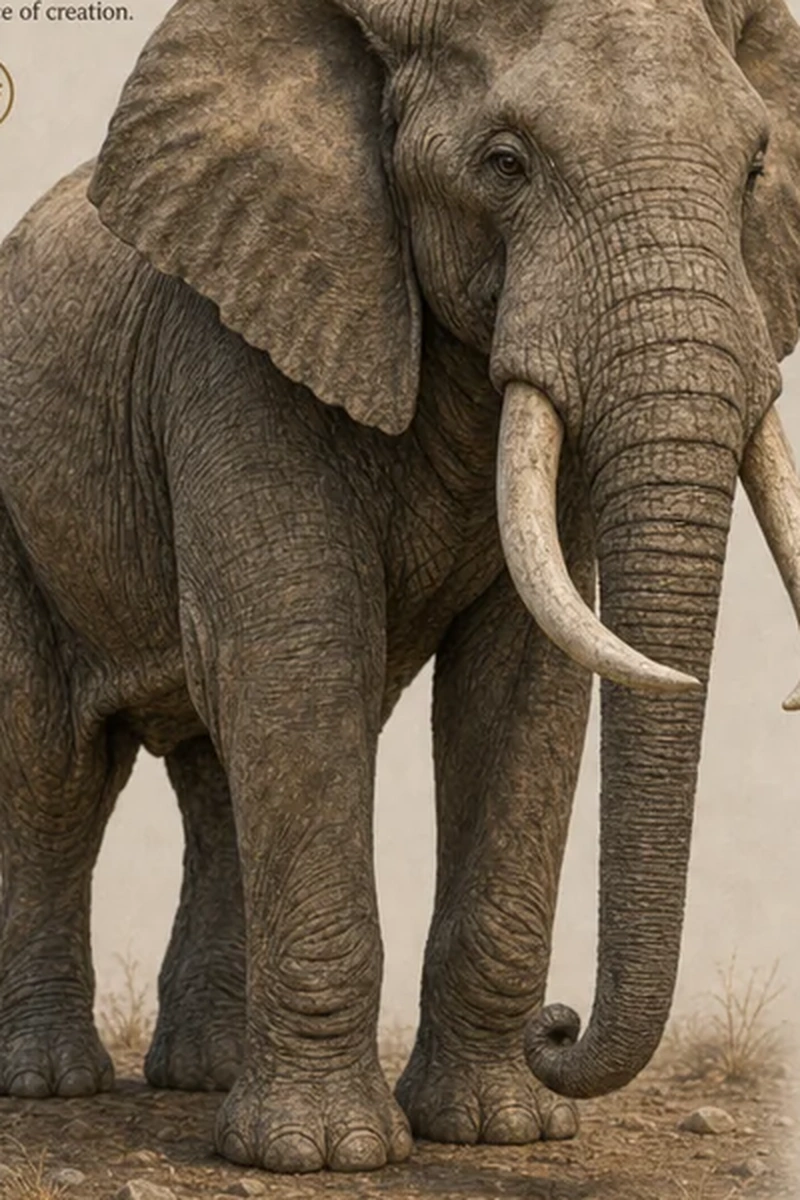 Mammals / Large Mammals
Elephant
Mammals / Large Mammals
Elephant
Large living mammal and public concept candidate.
Open page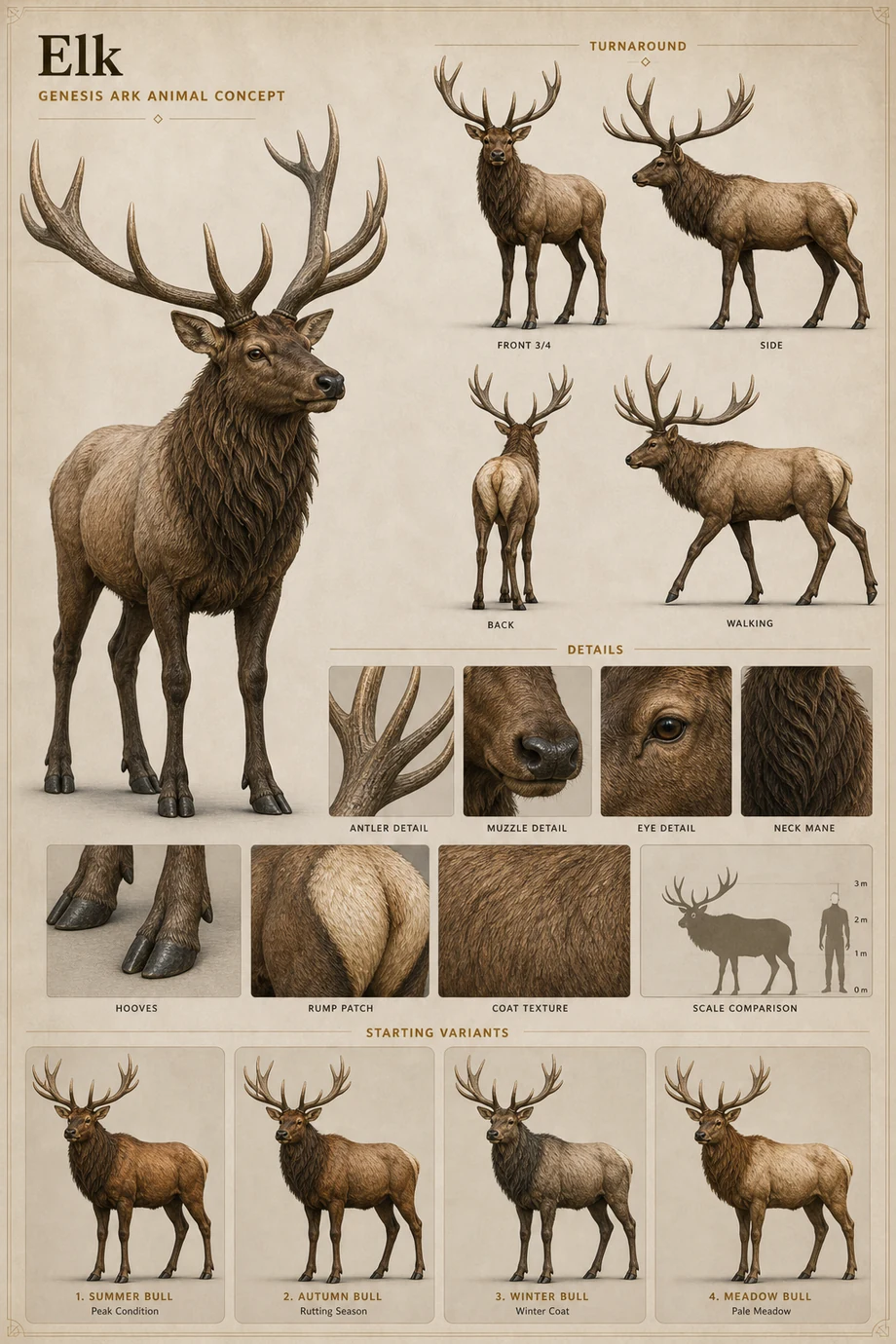 Mammals / Herd Animals / Large Mammals
Elk
Mammals / Herd Animals / Large Mammals
Elk
Large antlered herd mammal with a public concept sheet.
Open page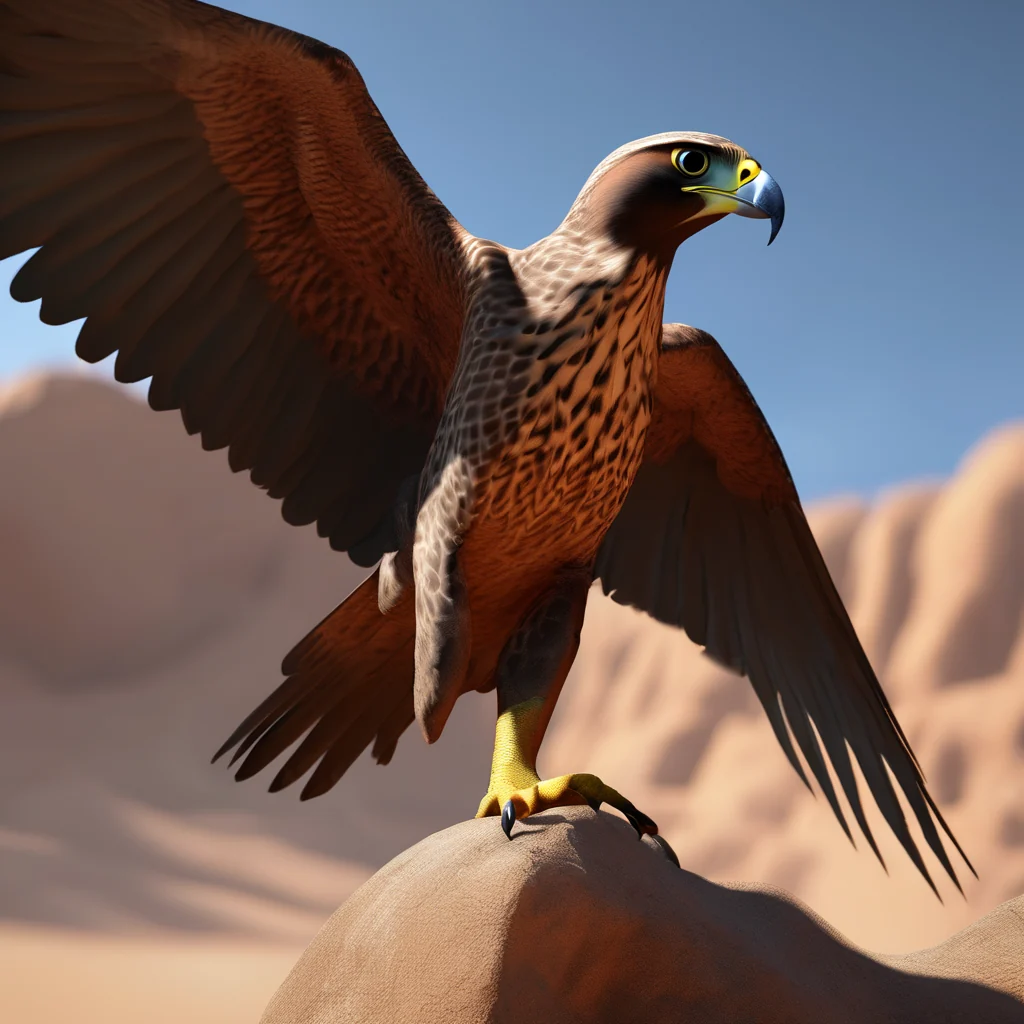 Birds / Predators / Desert Creatures
Falcon
Birds / Predators / Desert Creatures
Falcon
Desert raptor concept with an accepted public candidate.
Open page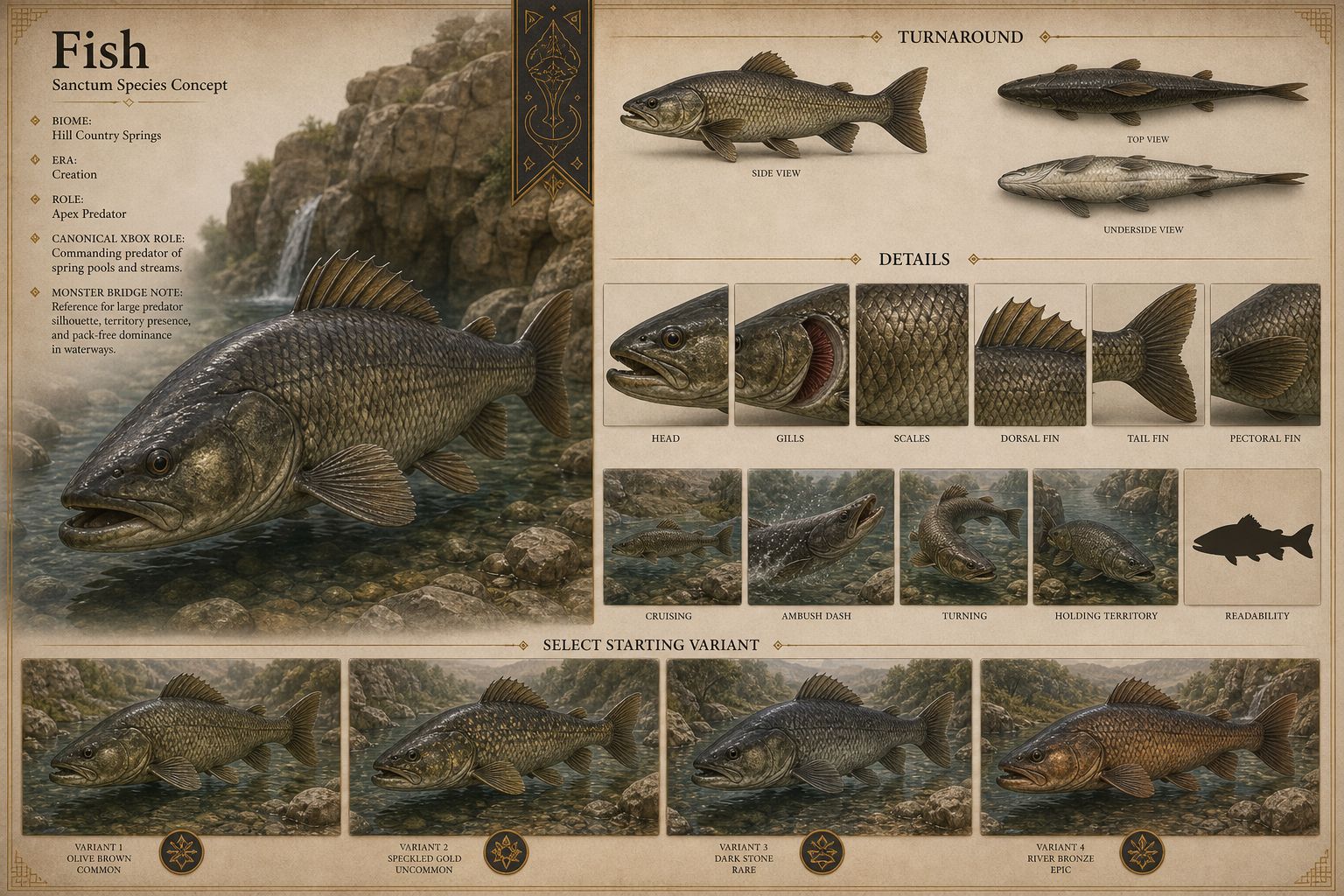 Sea Life
Fish
Sea Life
Fish
Manifest-derived concept page generated for individual wiki coverage.
Open page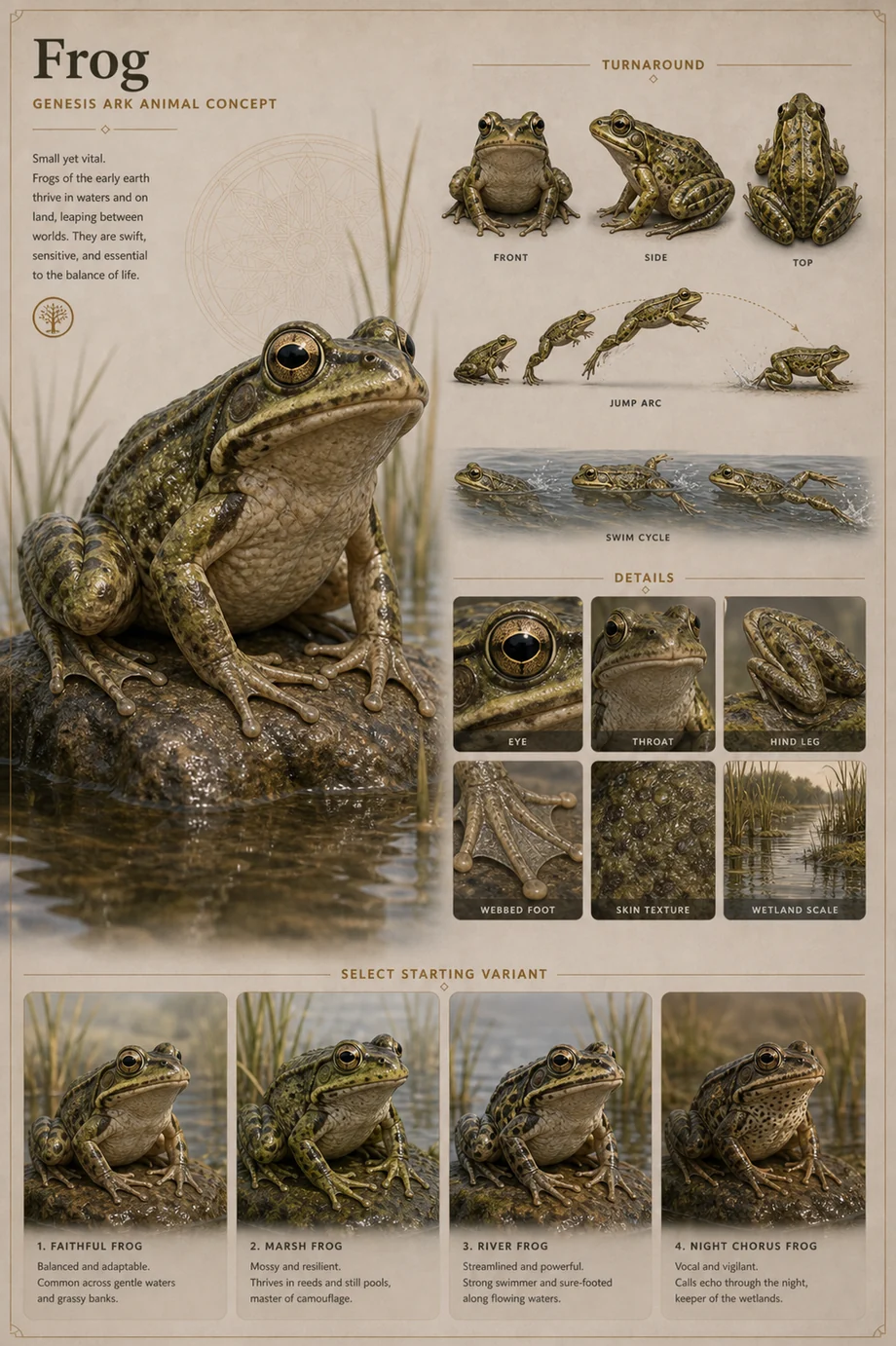 Amphibians
Frog
Amphibians
Frog
Amphibian concept and wetland-life entry.
Open page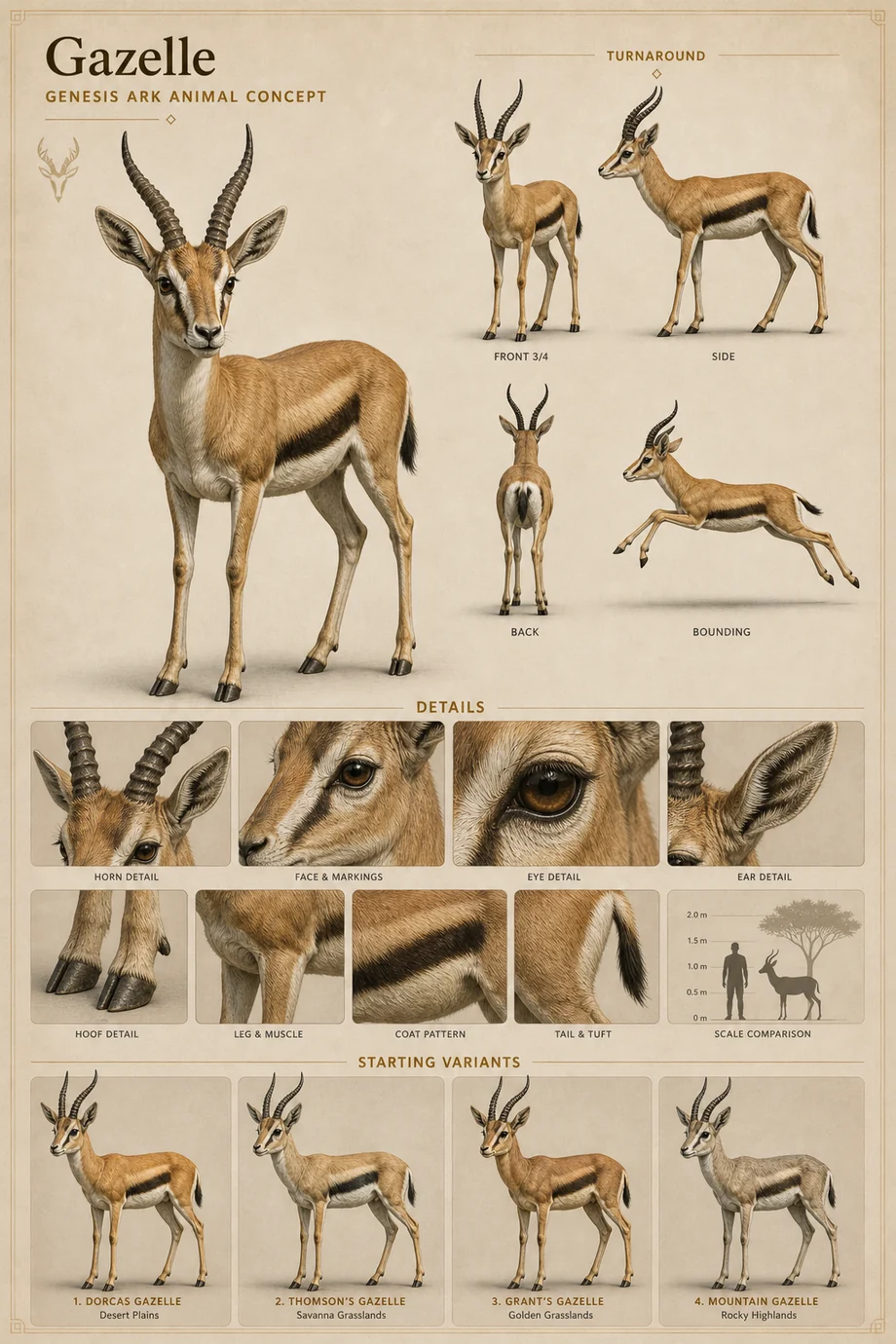 Mammals / Herd Animals / Desert Creatures
Gazelle
Mammals / Herd Animals / Desert Creatures
Gazelle
Fast desert-leaning herd animal with a public concept candidate.
Open page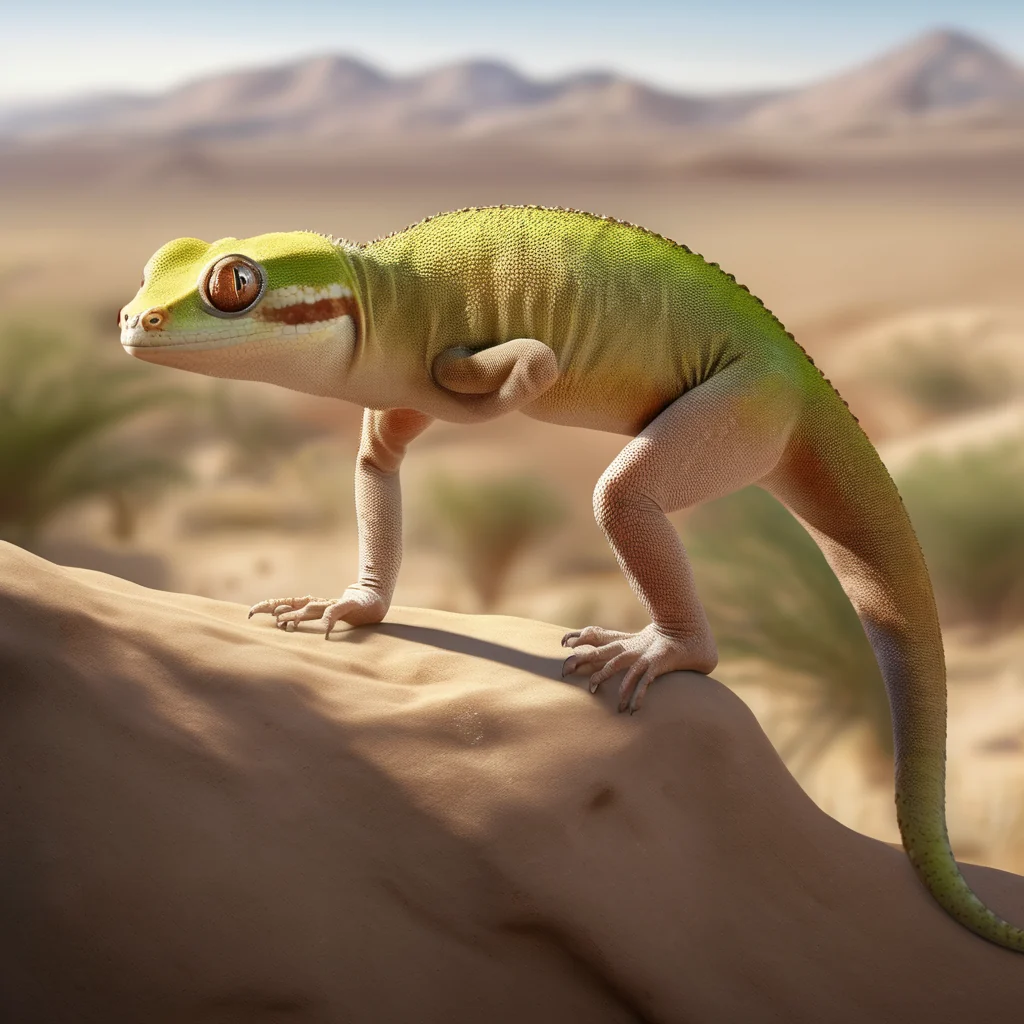 Reptiles / Desert Creatures / Small Animals
Gecko
Reptiles / Desert Creatures / Small Animals
Gecko
Small climbing reptile concept with accepted public candidates.
Open page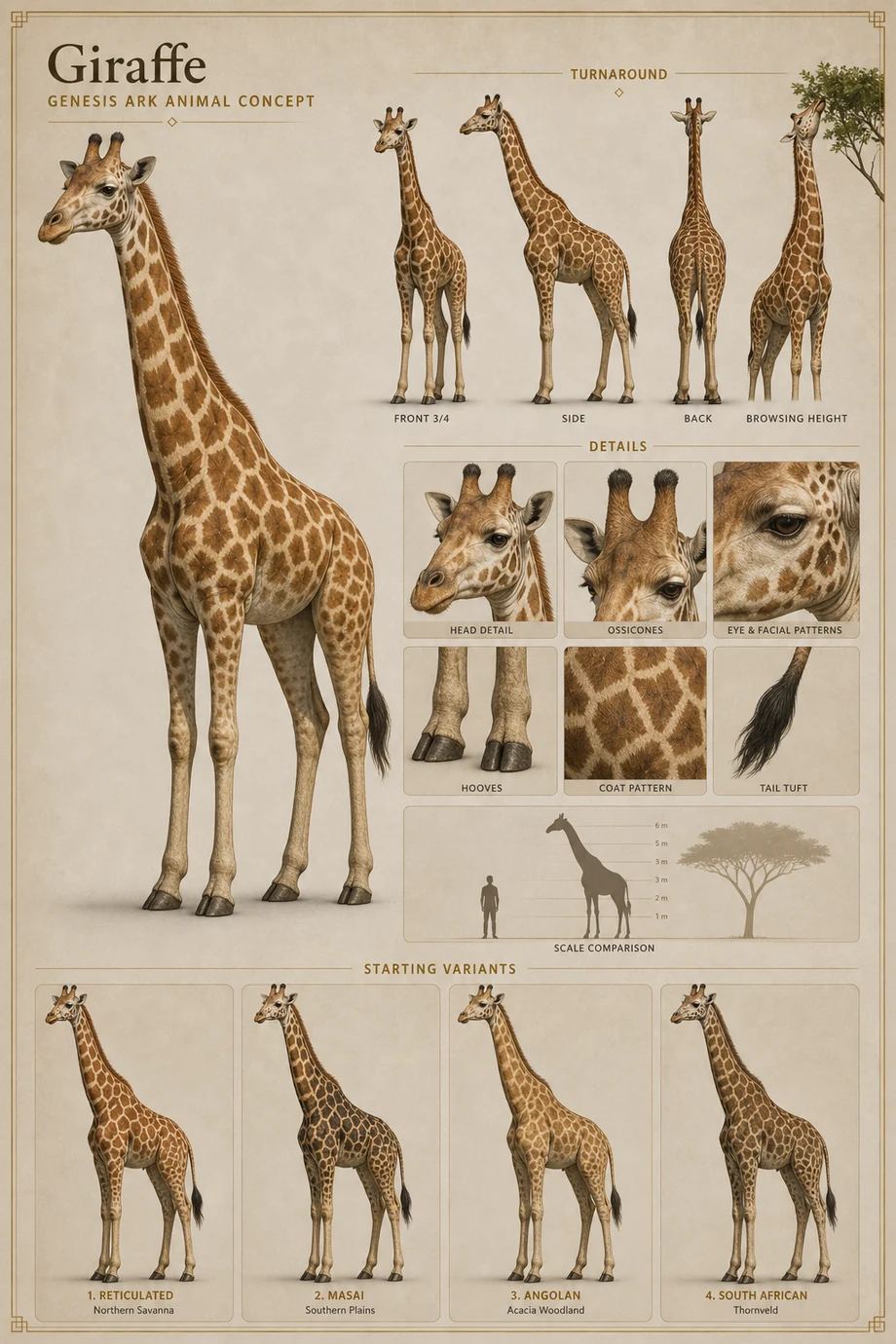 Mammals / Herd Animals / Large Mammals
Giraffe
Mammals / Herd Animals / Large Mammals
Giraffe
Tall browsing mammal with a public concept sheet.
Open page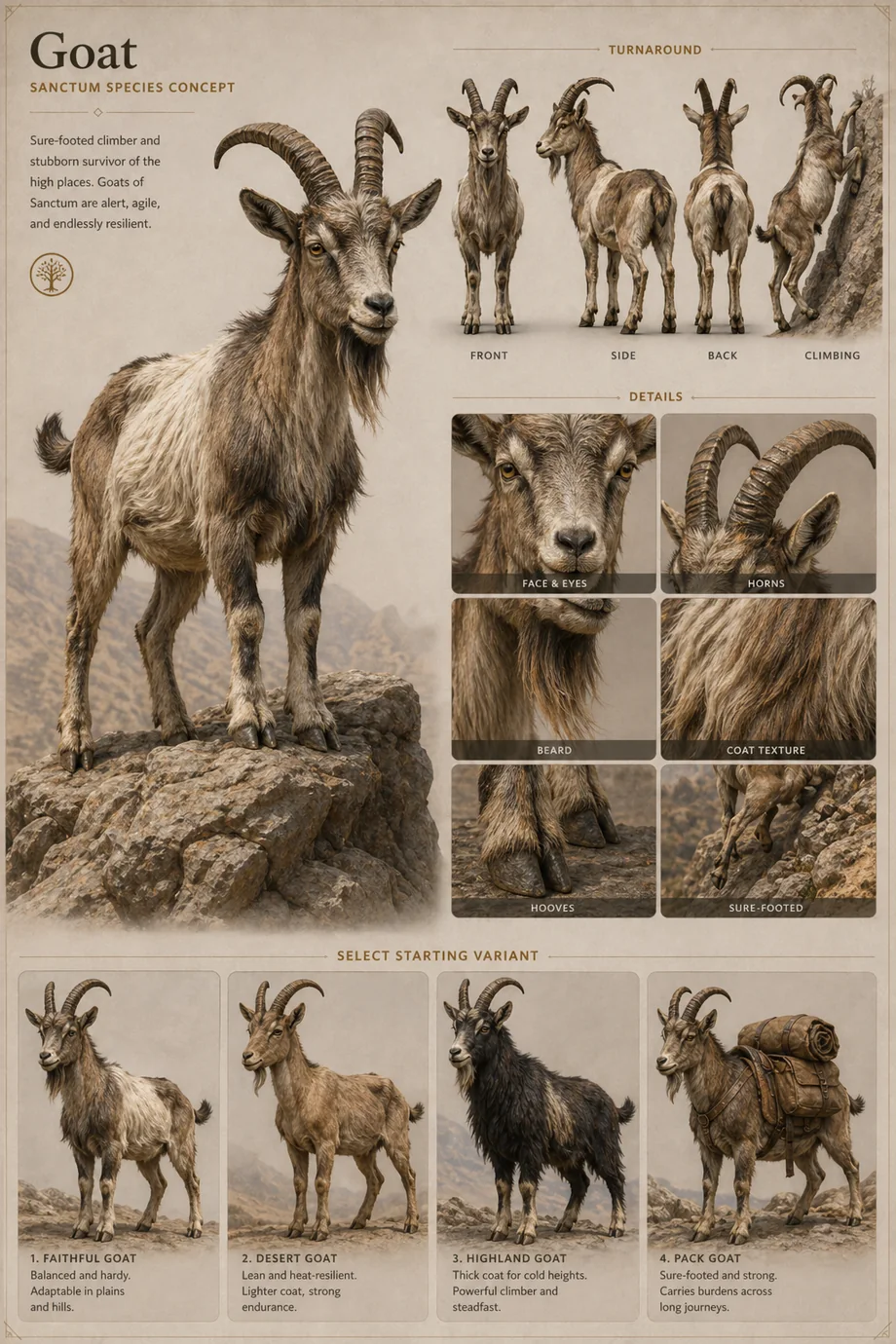 Mammals / Work Animals / Herd Animals
Goat
Mammals / Work Animals / Herd Animals
Goat
Pastoral mammal with a public concept sheet.
Open page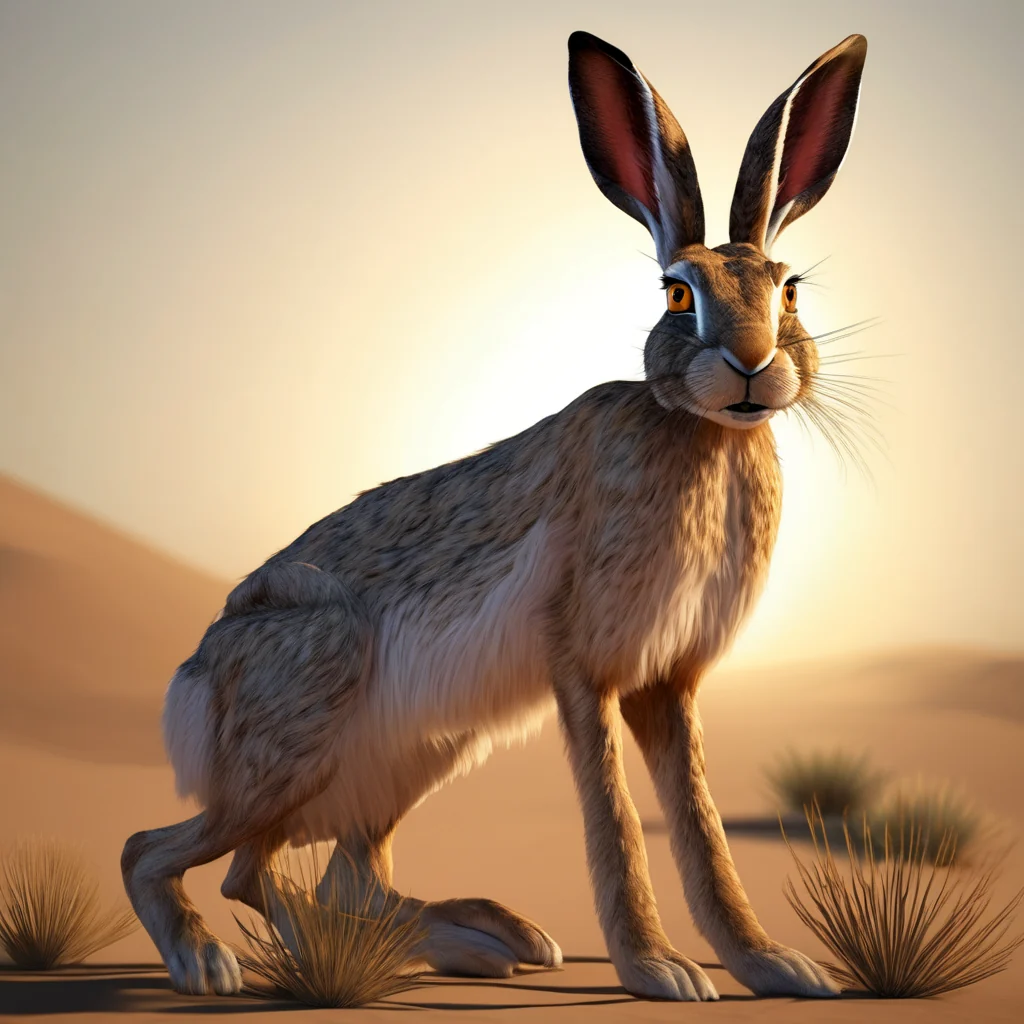 Mammals / Small Animals / Desert Creatures
Hare
Mammals / Small Animals / Desert Creatures
Hare
Desert hare concept with accepted public candidates.
Open page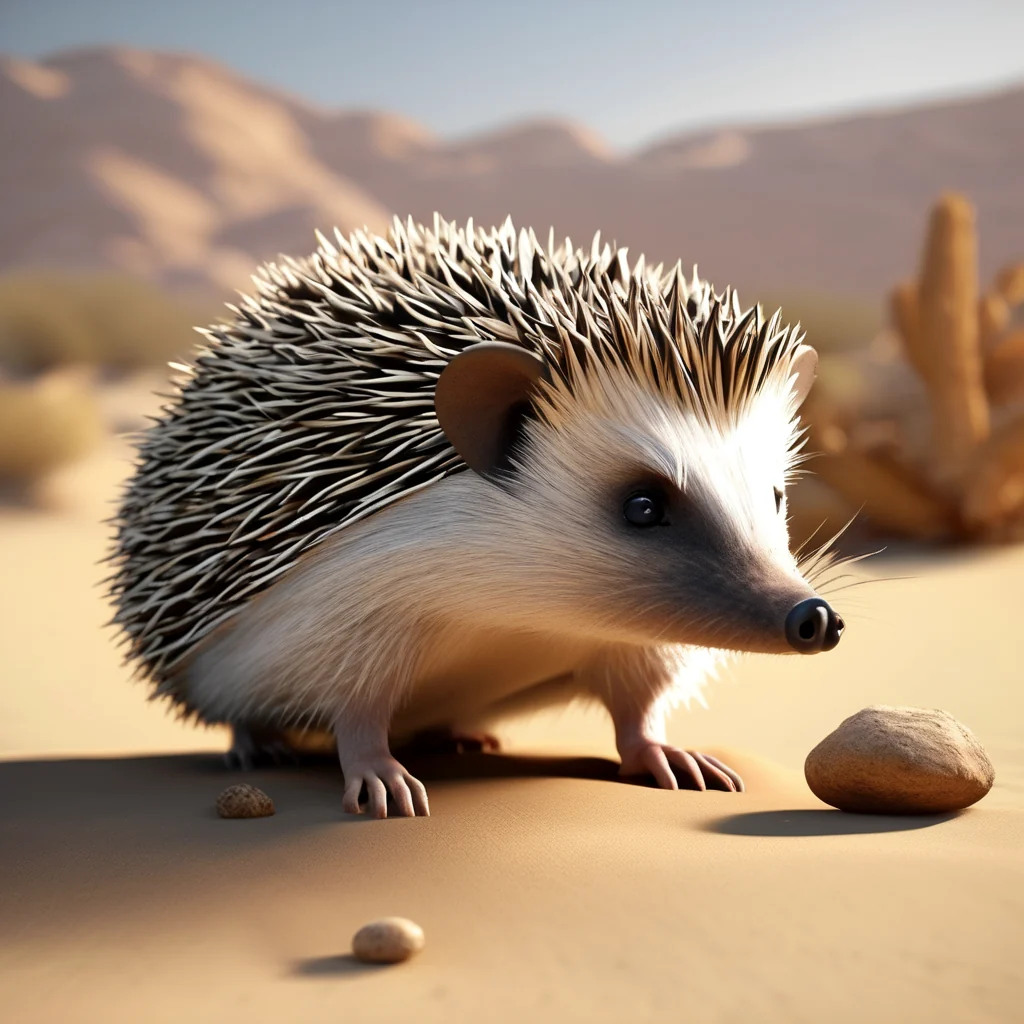 Mammals / Small Animals / Desert Creatures
Hedgehog
Mammals / Small Animals / Desert Creatures
Hedgehog
Small spiny mammal concept with an accepted public candidate.
Open page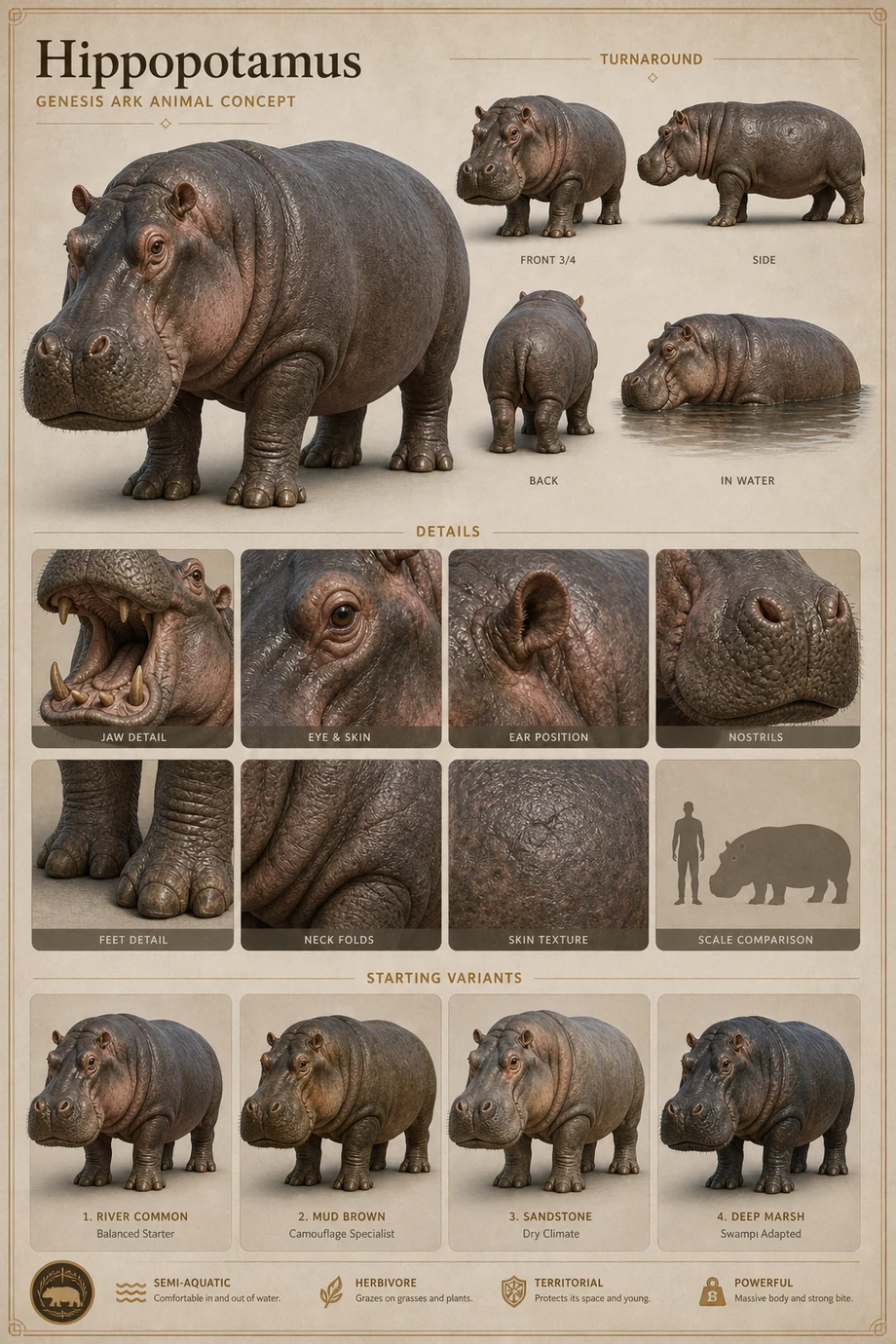 Mammals / Large Mammals
Hippopotamus
Mammals / Large Mammals
Hippopotamus
Large semi-aquatic mammal with a public concept sheet.
Open page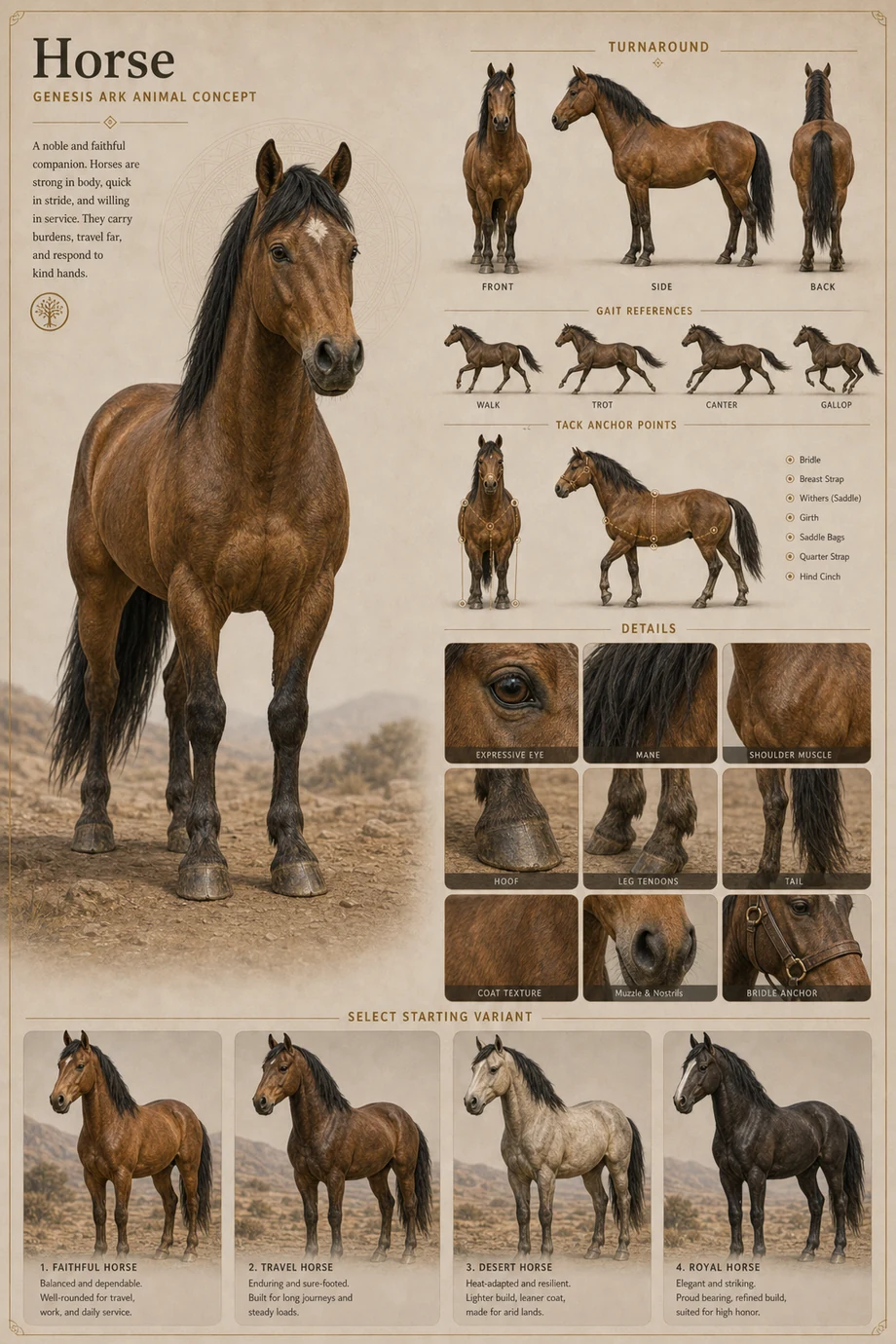 Mammals / Work Animals / Herd Animals
Horse
Mammals / Work Animals / Herd Animals
Horse
Work and travel animal with a public concept sheet.
Open page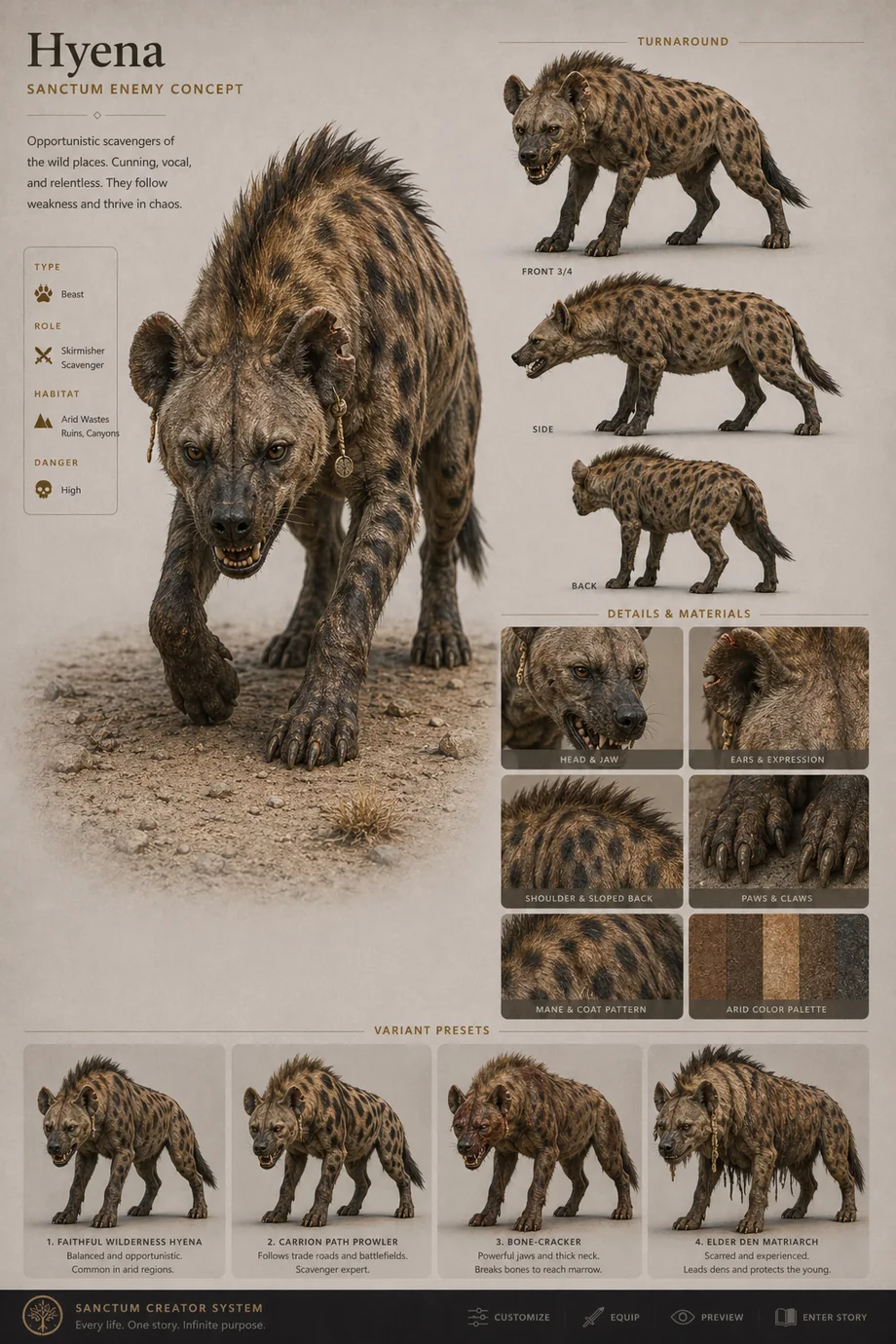 Mammals / Predators / Encounter Creatures
Hyena
Mammals / Predators / Encounter Creatures
Hyena
Pack-pressure predator concept with a direct page.
Open page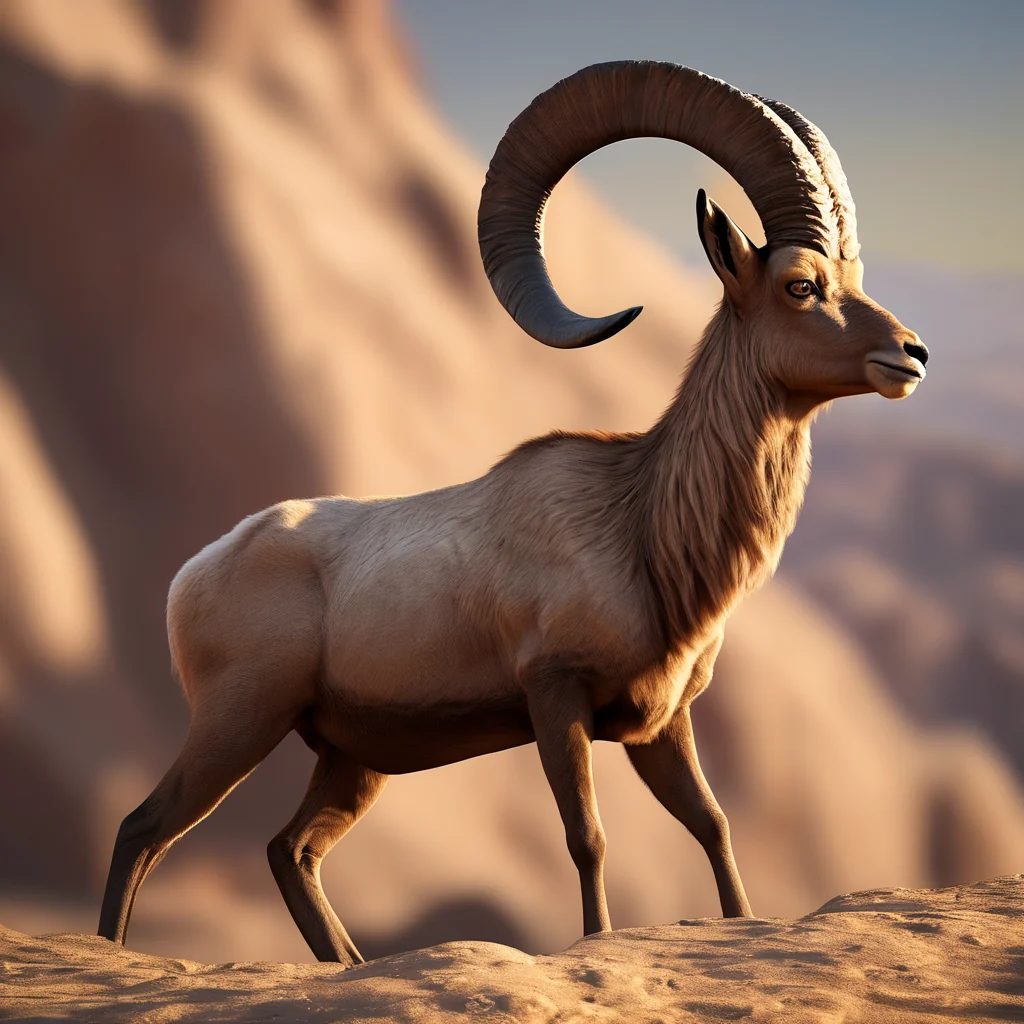 Mammals / Herd Animals / Desert Creatures
Ibex
Mammals / Herd Animals / Desert Creatures
Ibex
Wild mountain goat concept with accepted public ibex candidates.
Open page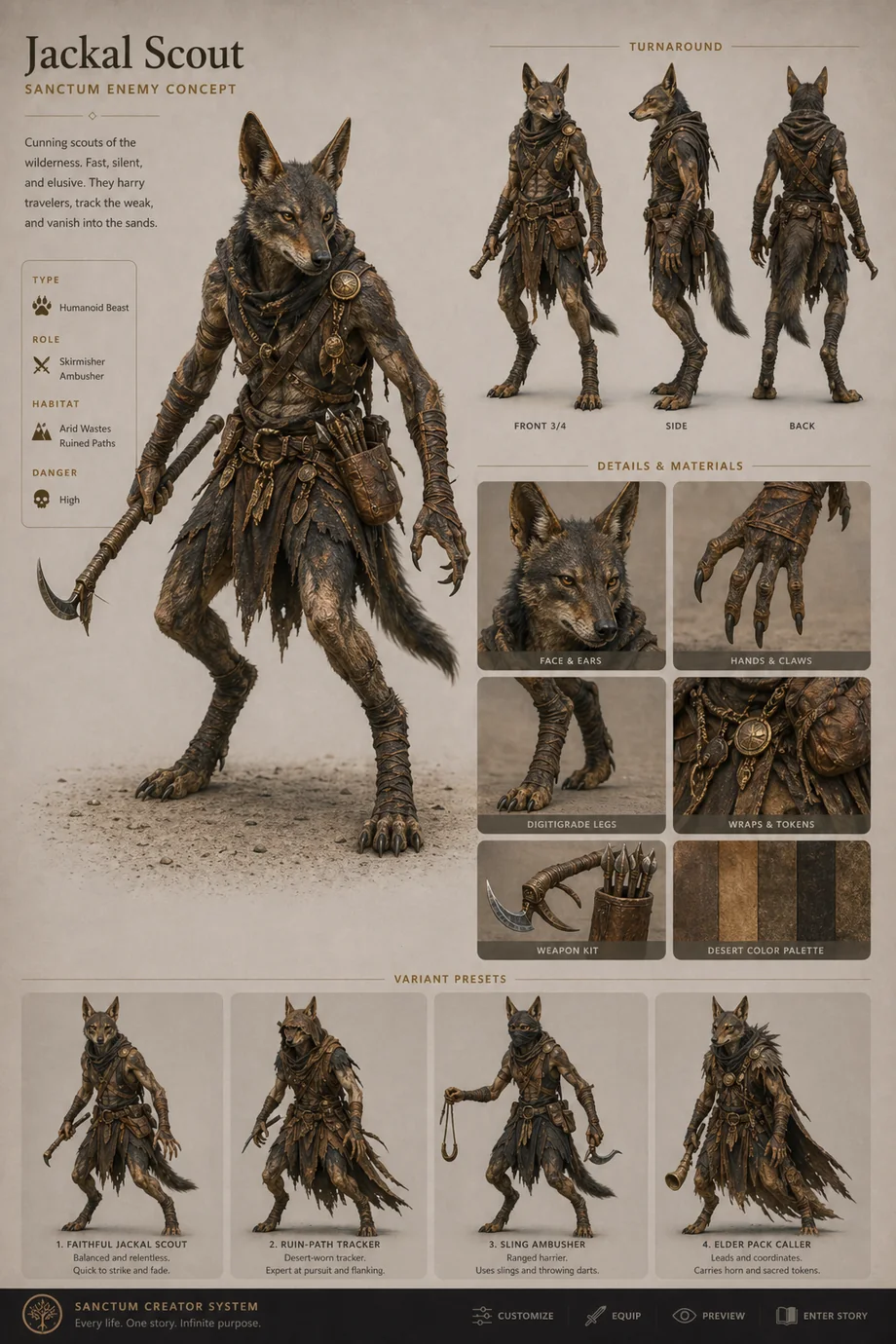 Mammals / Predators / Desert Creatures / Encounter Creatures
Jackal Scout
Mammals / Predators / Desert Creatures / Encounter Creatures
Jackal Scout
Desert scout creature concept with a direct page.
Open page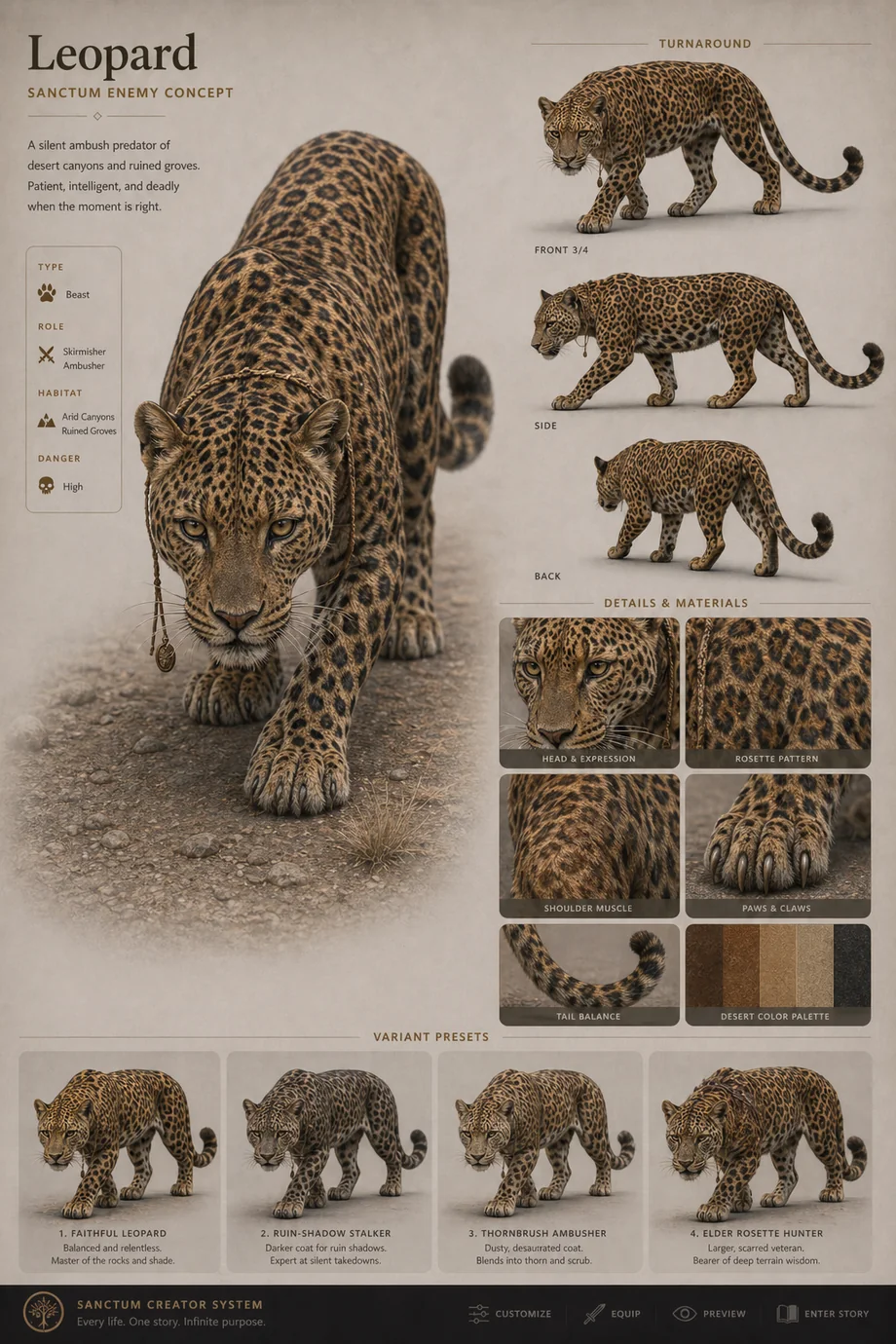 Mammals / Predators / Encounter Creatures
Leopard
Mammals / Predators / Encounter Creatures
Leopard
Big-cat predator concept with a direct page.
Open page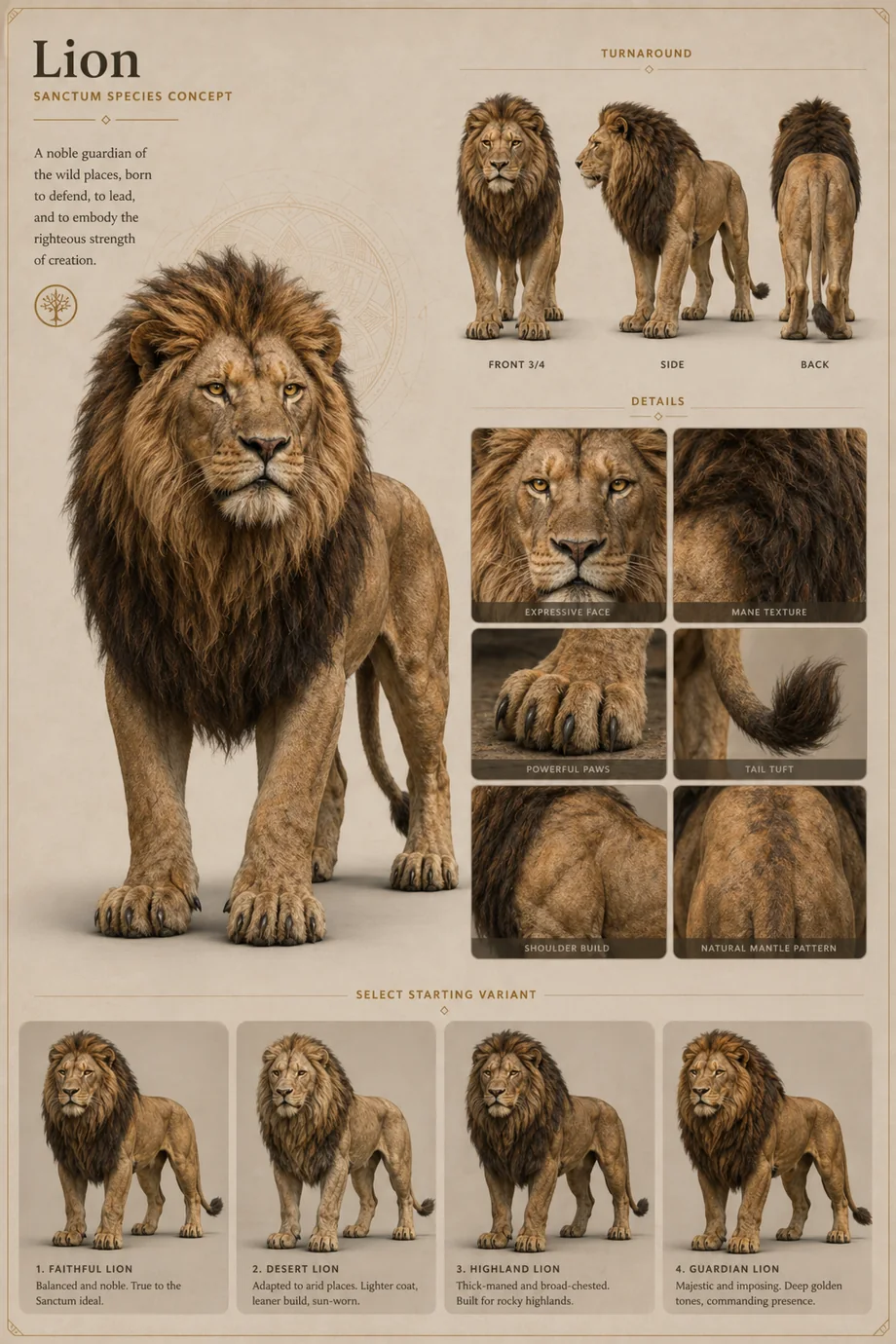 Mammals / Predators / Large Mammals / Encounter Creatures
Lion
Mammals / Predators / Large Mammals / Encounter Creatures
Lion
Large predator creature concept with a direct page.
Open page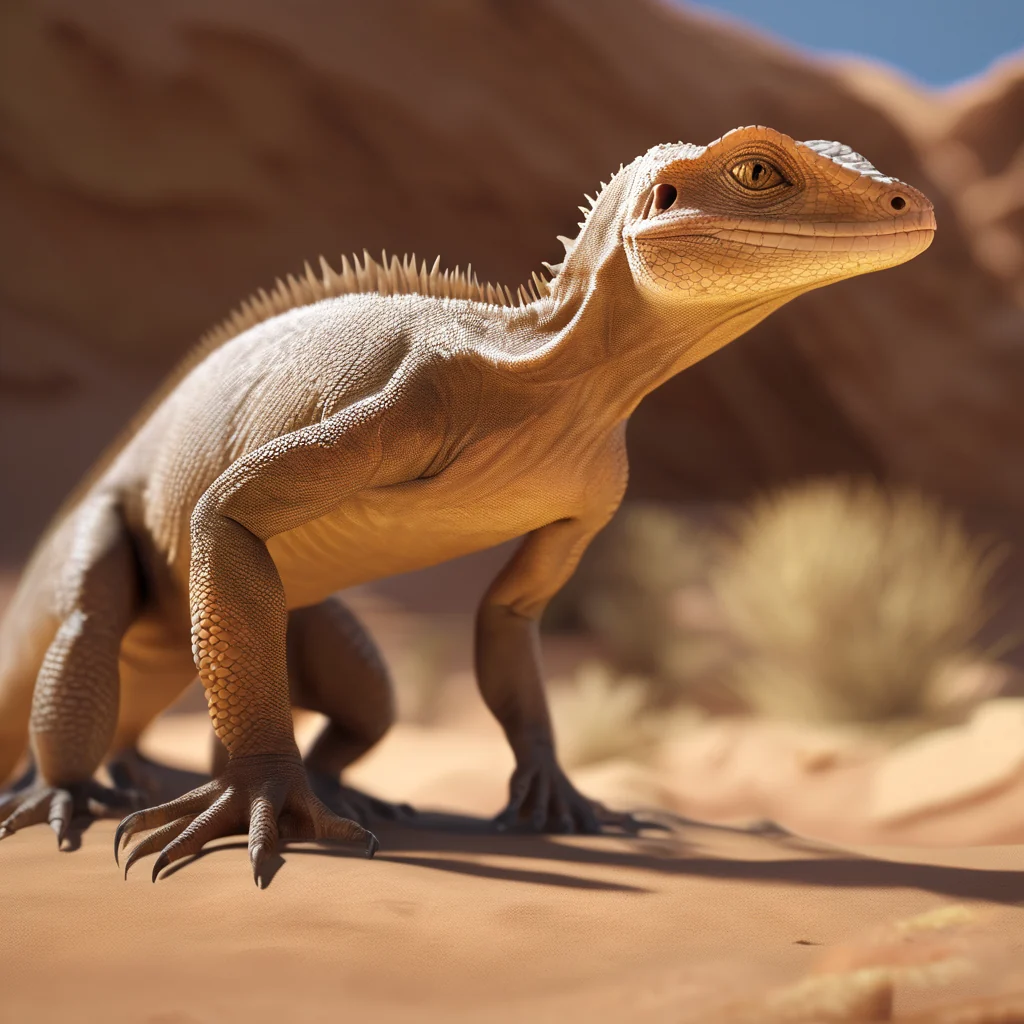 Reptiles / Desert Creatures
Lizard
Reptiles / Desert Creatures
Lizard
Desert lizard concept with accepted public candidates.
Open page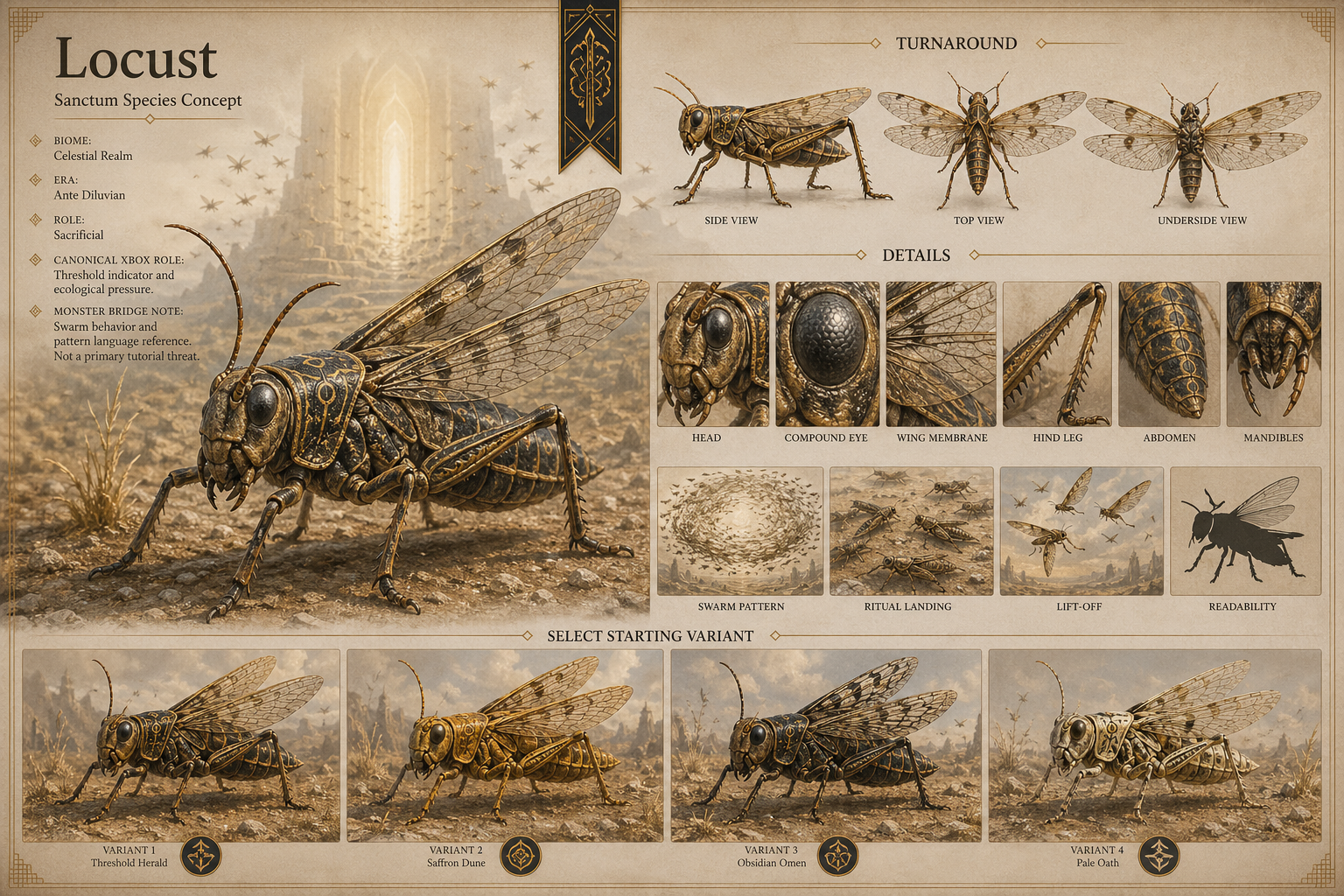 Invertebrates / Desert Creatures / Encounter Creatures
Locust
Invertebrates / Desert Creatures / Encounter Creatures
Locust
Manifest-derived concept page generated for individual wiki coverage.
Open page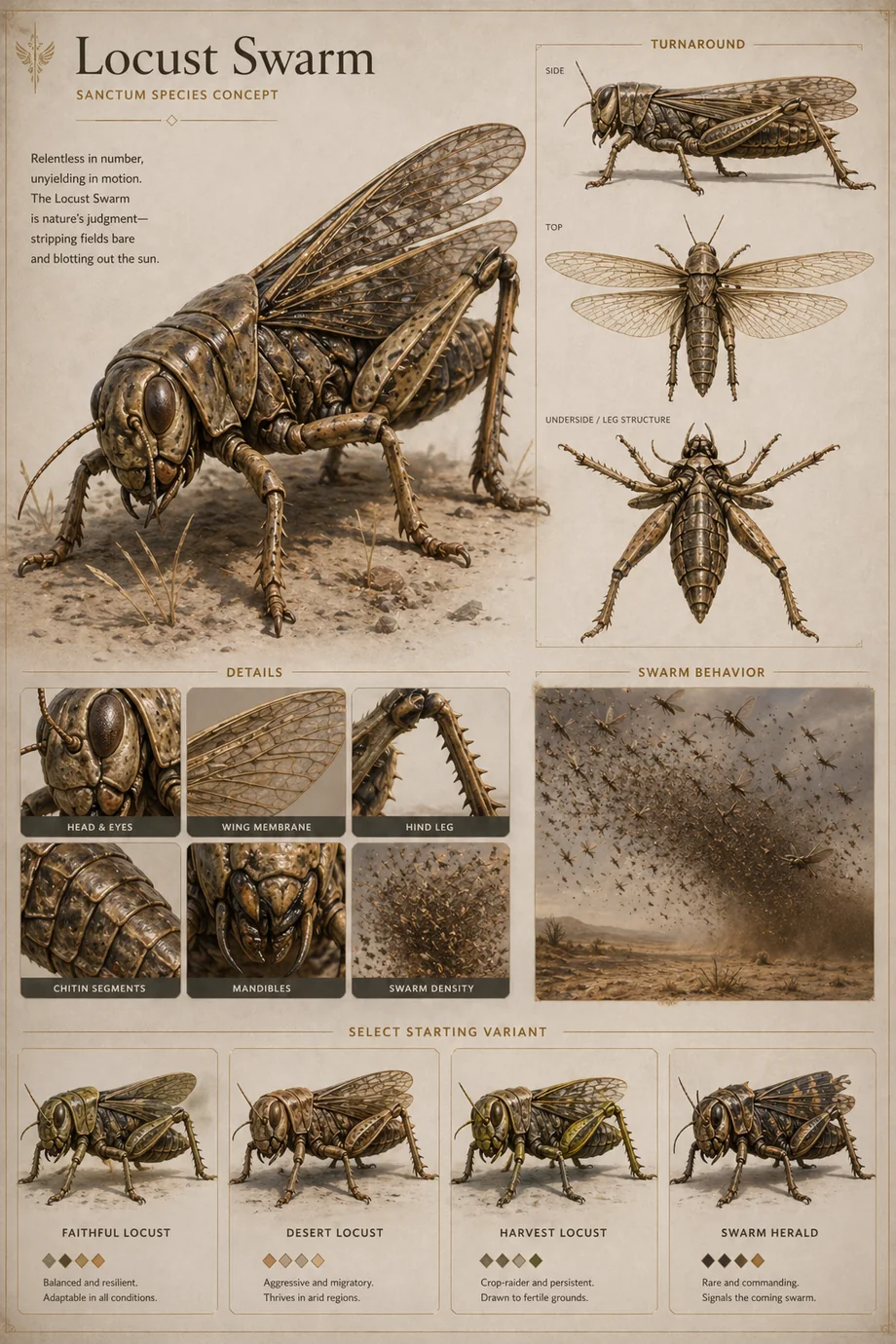 Invertebrates / Desert Creatures / Encounter Creatures
Locust Swarm
Invertebrates / Desert Creatures / Encounter Creatures
Locust Swarm
Swarm-scale invertebrate enemy concept with a direct page.
Open page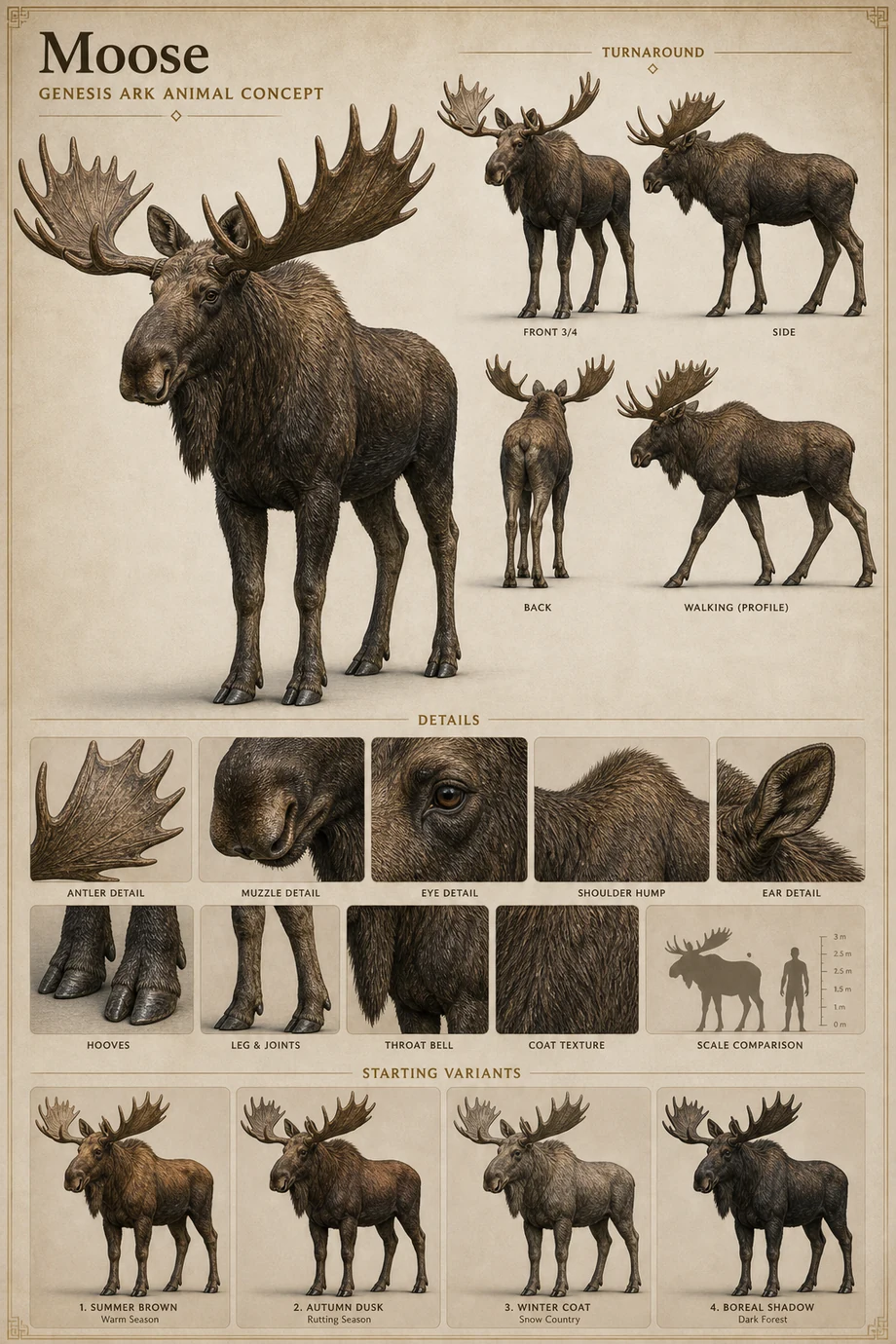 Mammals / Herd Animals / Large Mammals
Moose
Mammals / Herd Animals / Large Mammals
Moose
Large antlered mammal with a public concept sheet.
Open page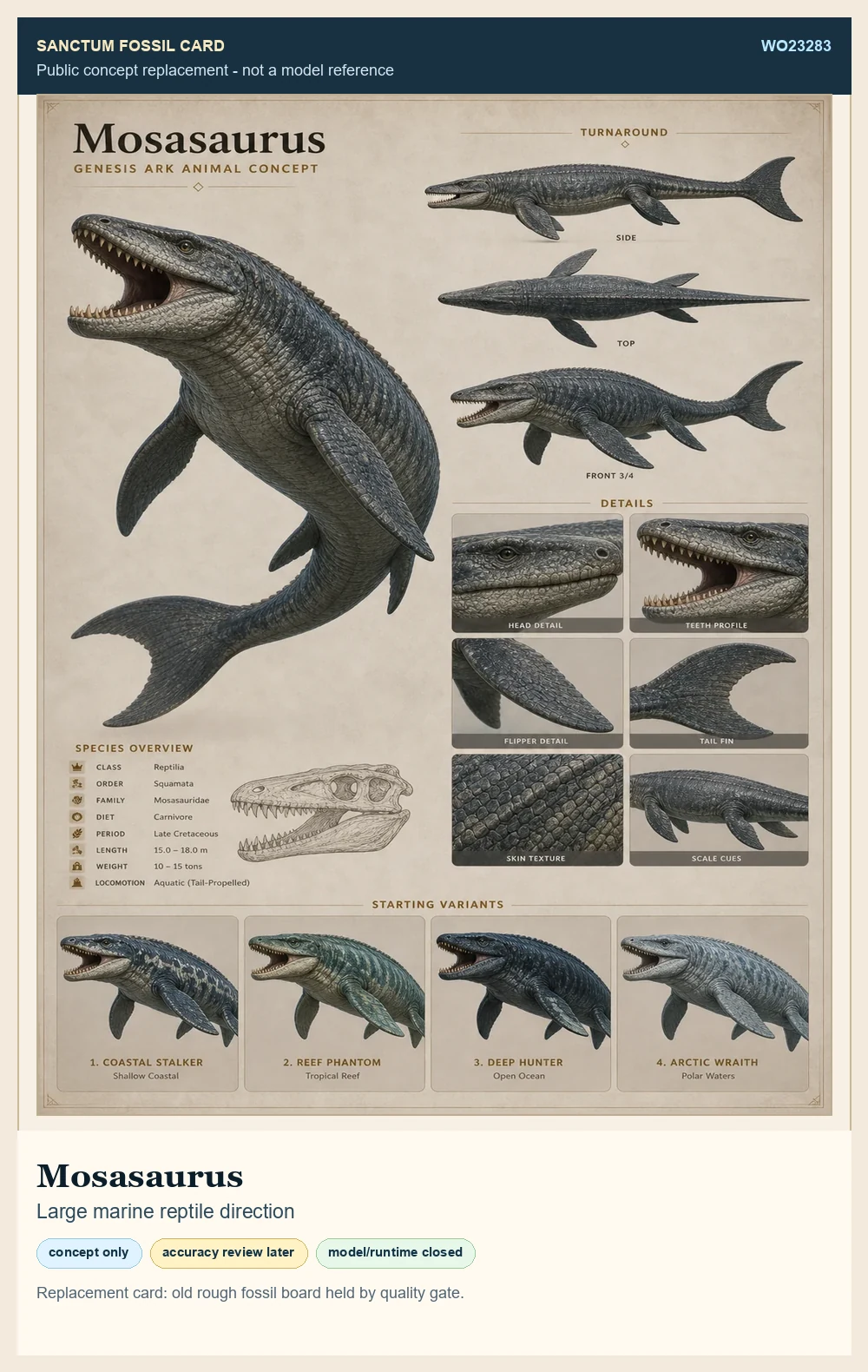 Fossil Organisms / Reptiles / Sea Life
Mosasaurus
Fossil Organisms / Reptiles / Sea Life
Mosasaurus
Large fossil marine reptile concept card.
Open page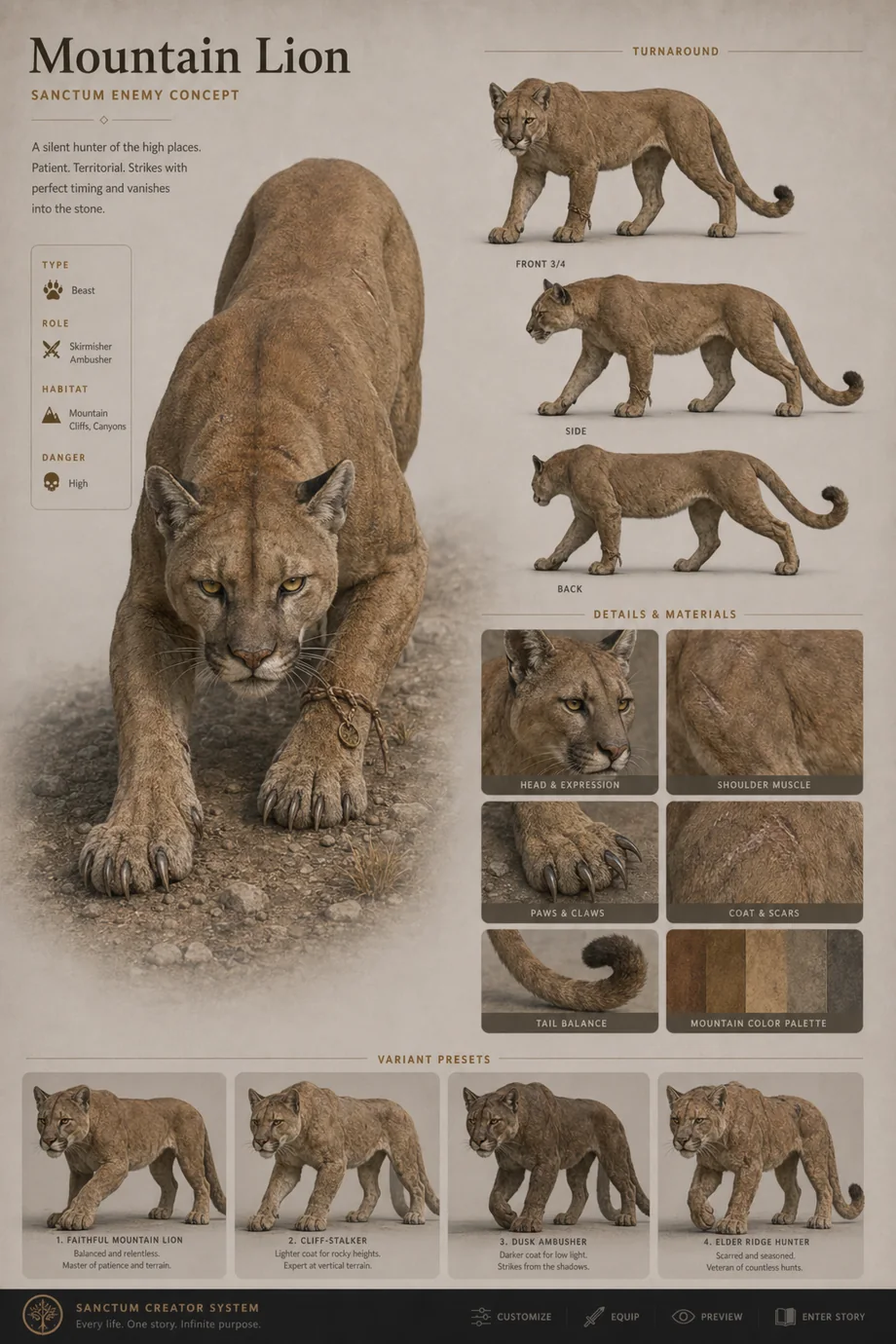 Mammals / Predators / Encounter Creatures
Mountain Lion
Mammals / Predators / Encounter Creatures
Mountain Lion
Cliffside predator creature concept with a direct page.
Open page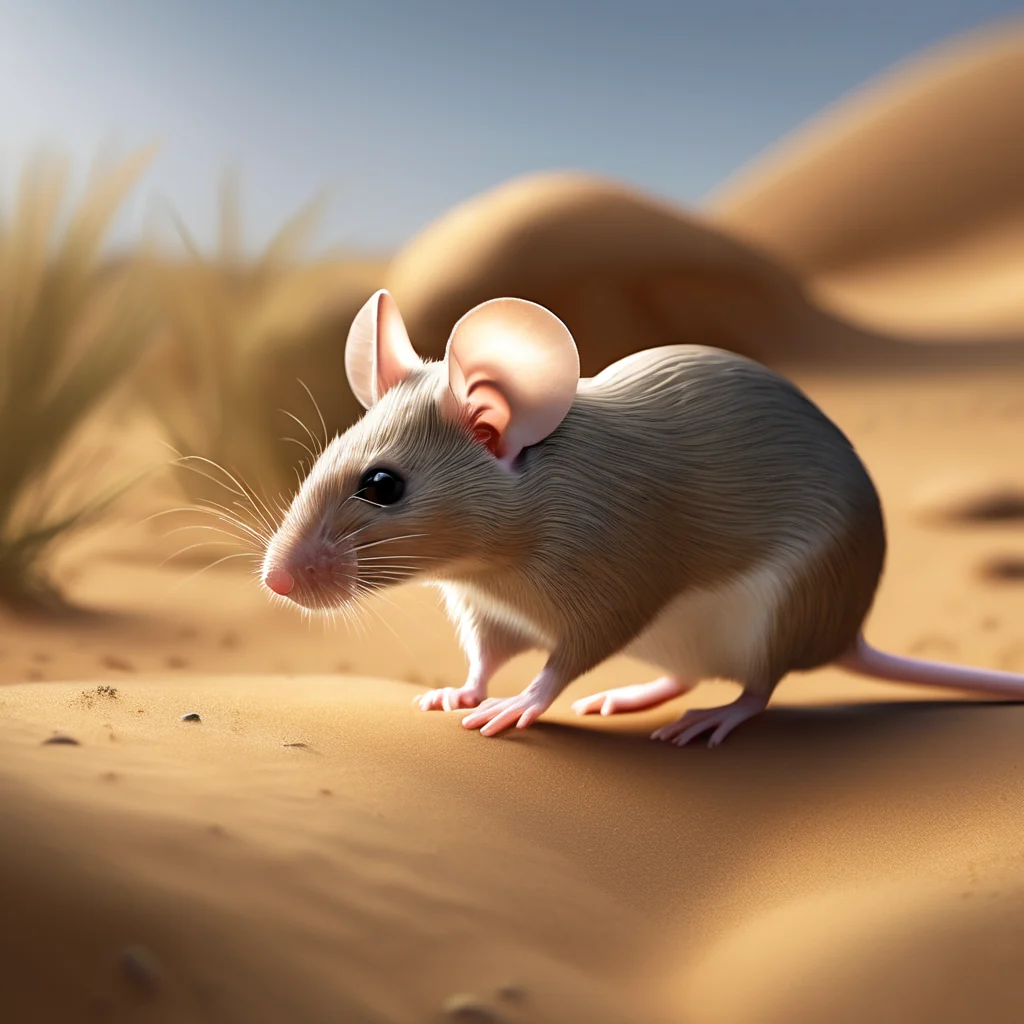 Mammals / Small Animals / Desert Creatures
Mouse
Mammals / Small Animals / Desert Creatures
Mouse
Small mammal concept with an accepted public mouse candidate.
Open page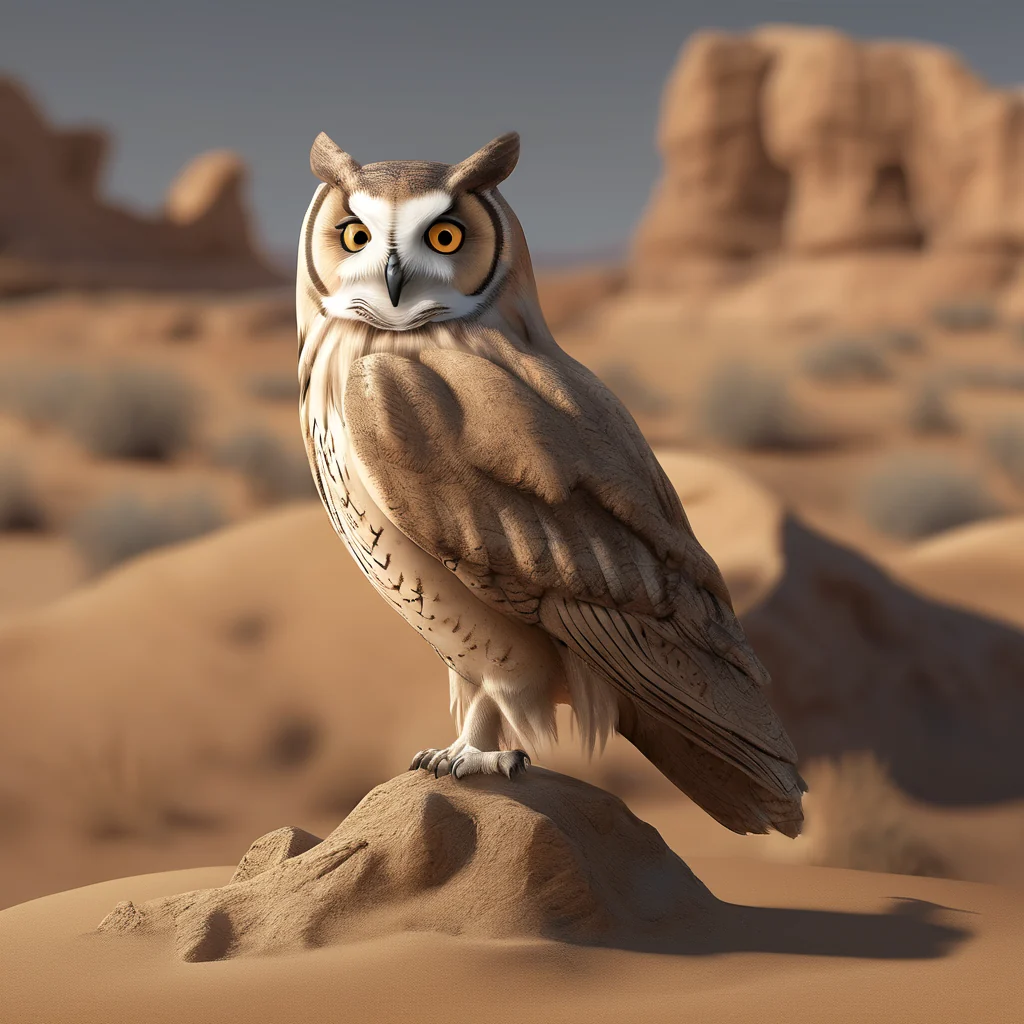 Birds / Predators / Desert Creatures
Owl
Birds / Predators / Desert Creatures
Owl
Night bird concept with an accepted public candidate.
Open page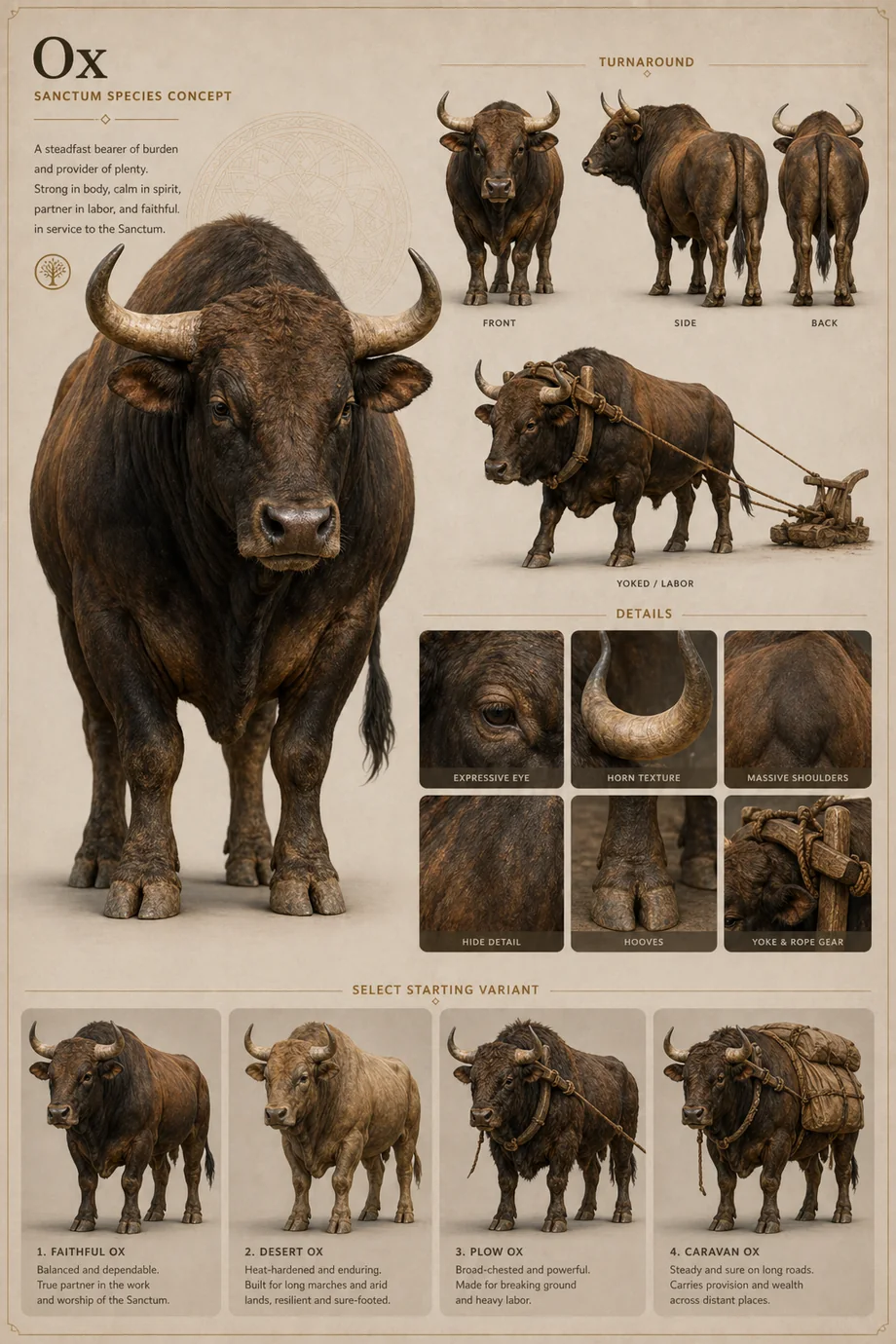 Mammals / Work Animals / Herd Animals / Large Mammals
Ox
Mammals / Work Animals / Herd Animals / Large Mammals
Ox
Work animal strength with a public concept sheet.
Open page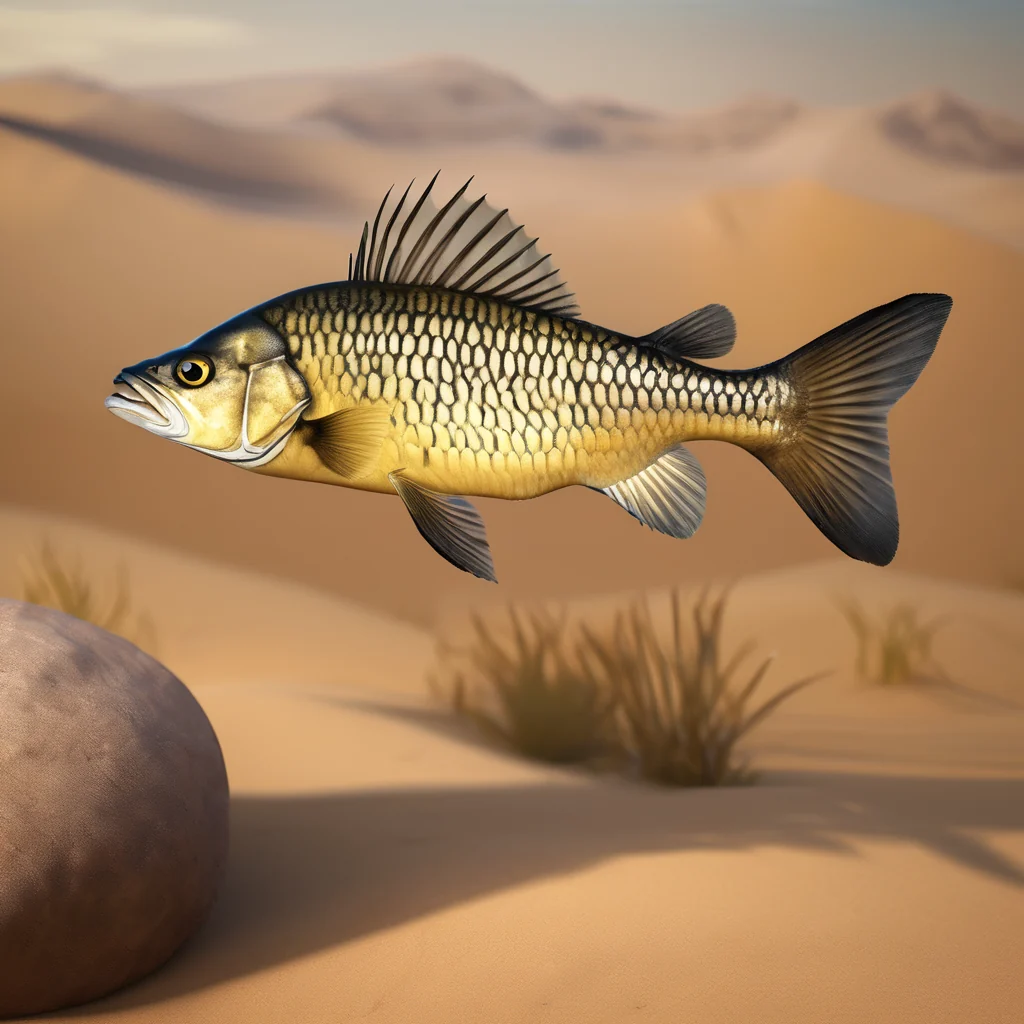 Sea Life
Perch
Sea Life
Perch
Striped freshwater perch concept with accepted public candidates.
Open page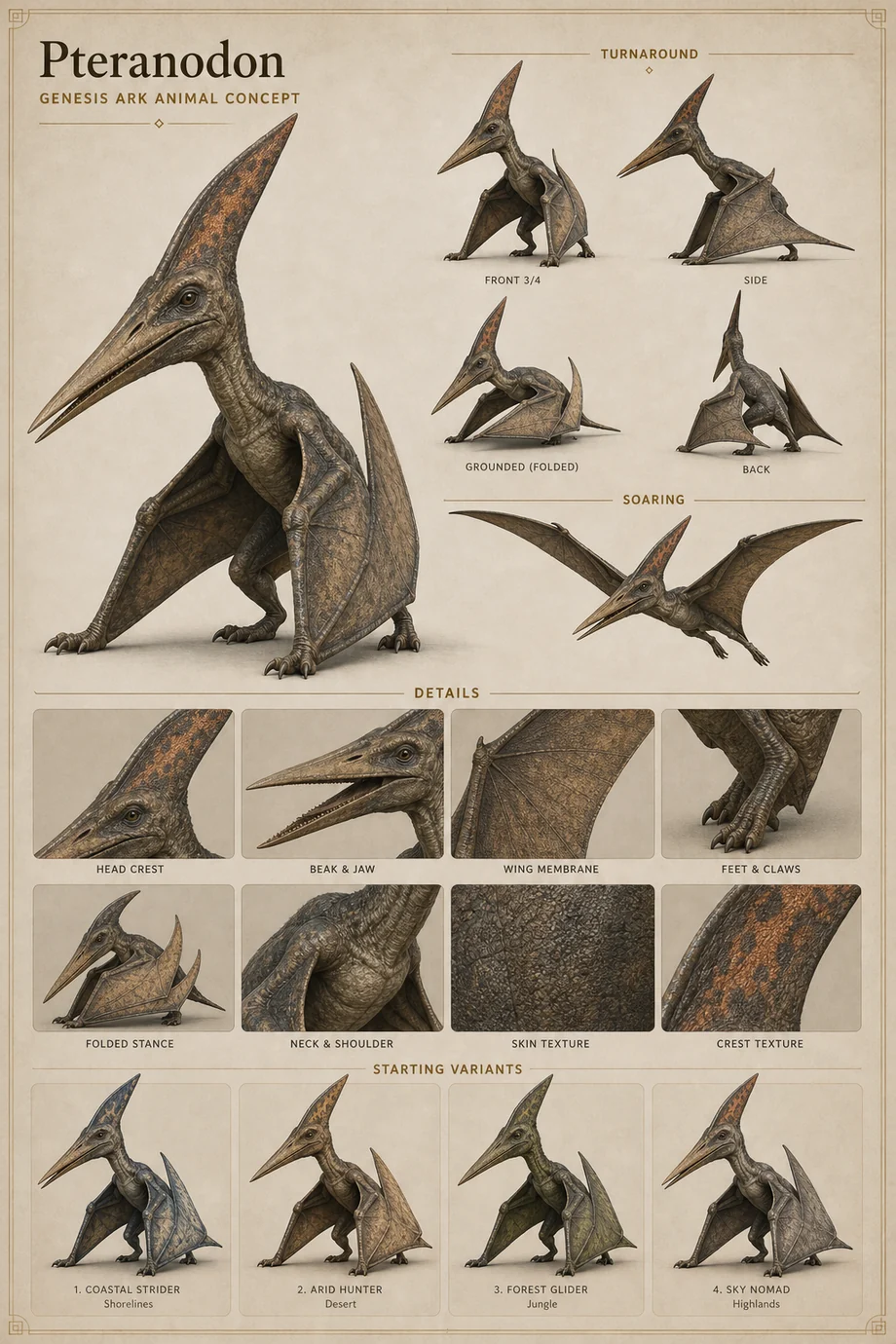 Fossil Organisms / Reptiles / Flying Reptiles
Pteranodon
Fossil Organisms / Reptiles / Flying Reptiles
Pteranodon
Flying fossil reptile with a public concept candidate.
Open page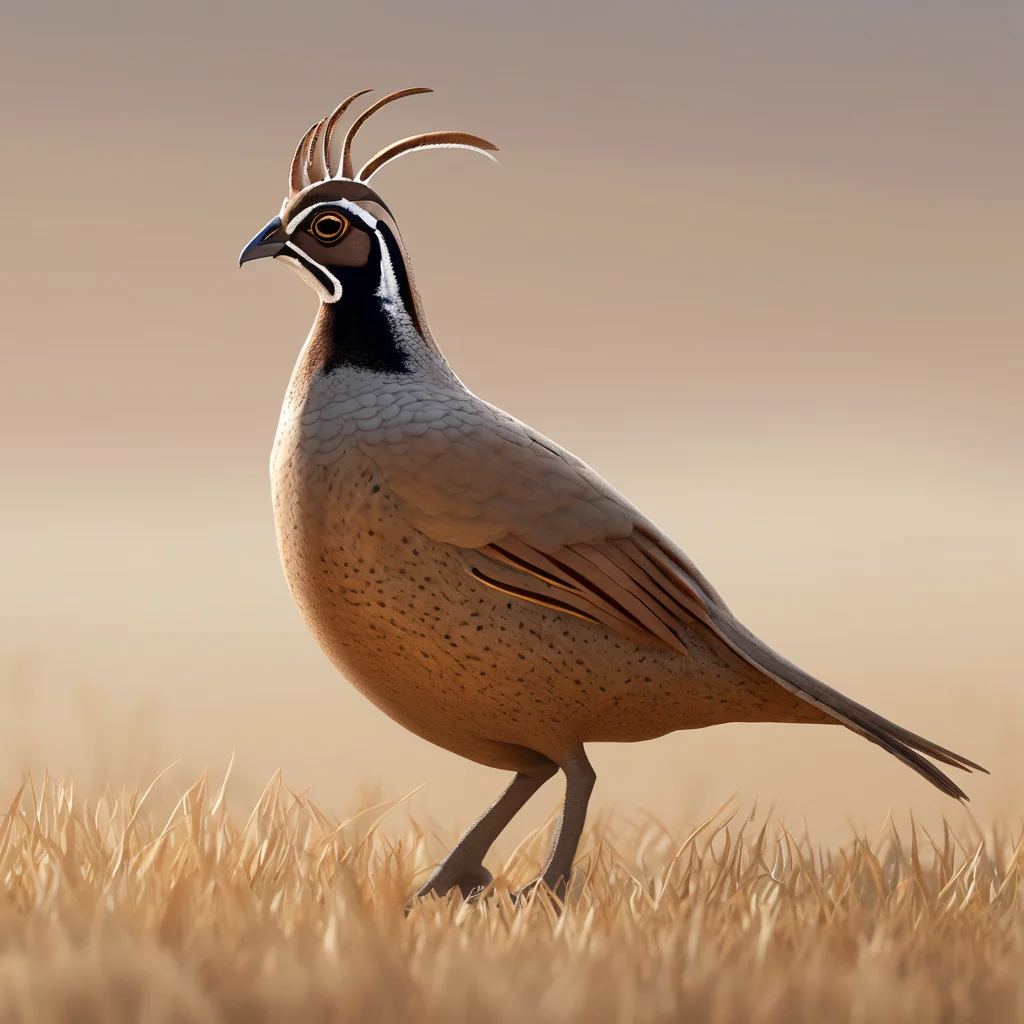 Birds / Small Animals / Desert Creatures
Quail
Birds / Small Animals / Desert Creatures
Quail
Small ground bird concept with an accepted public candidate.
Open page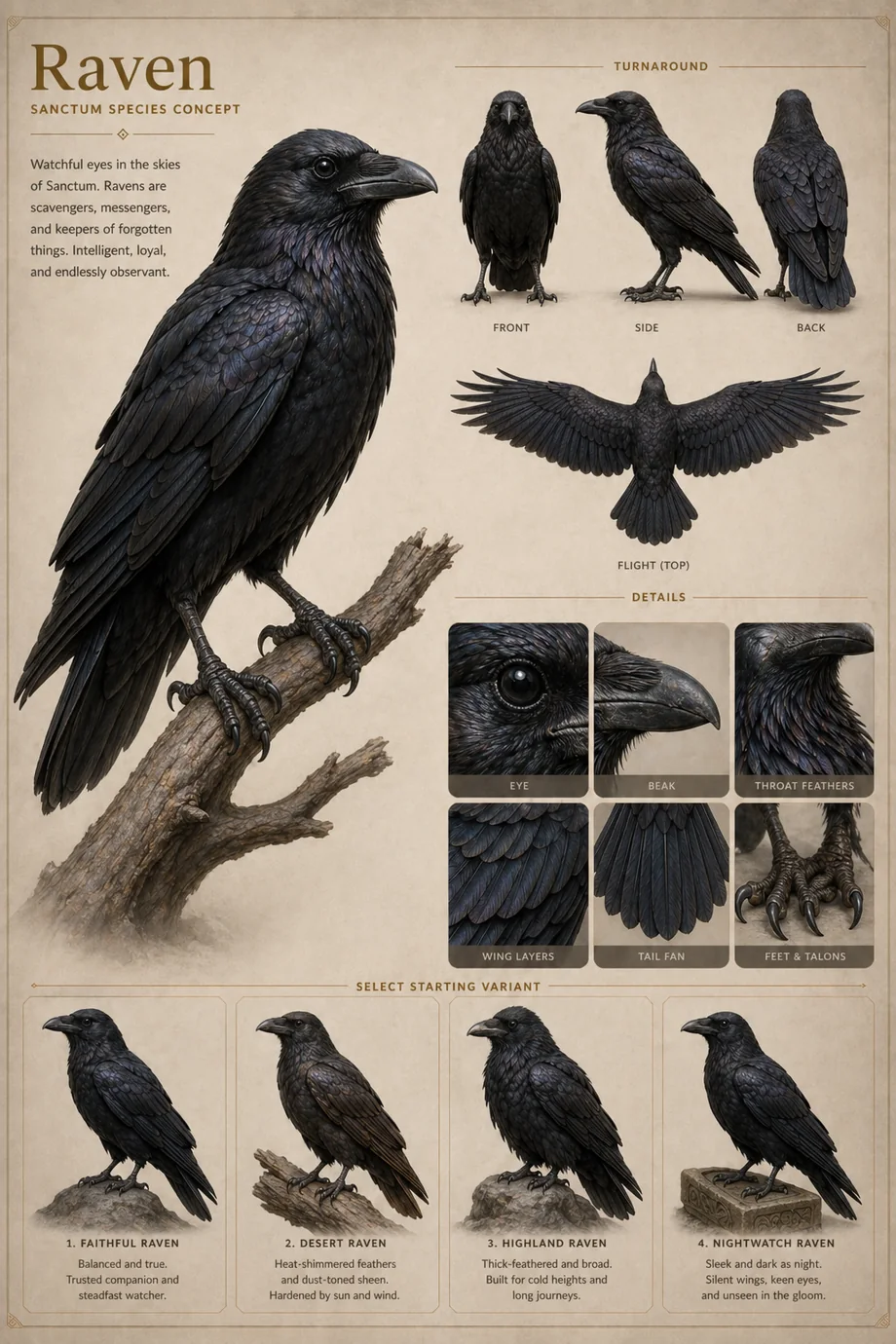 Birds / Encounter Creatures
Raven
Birds / Encounter Creatures
Raven
Dark bird creature concept with a direct page.
Open page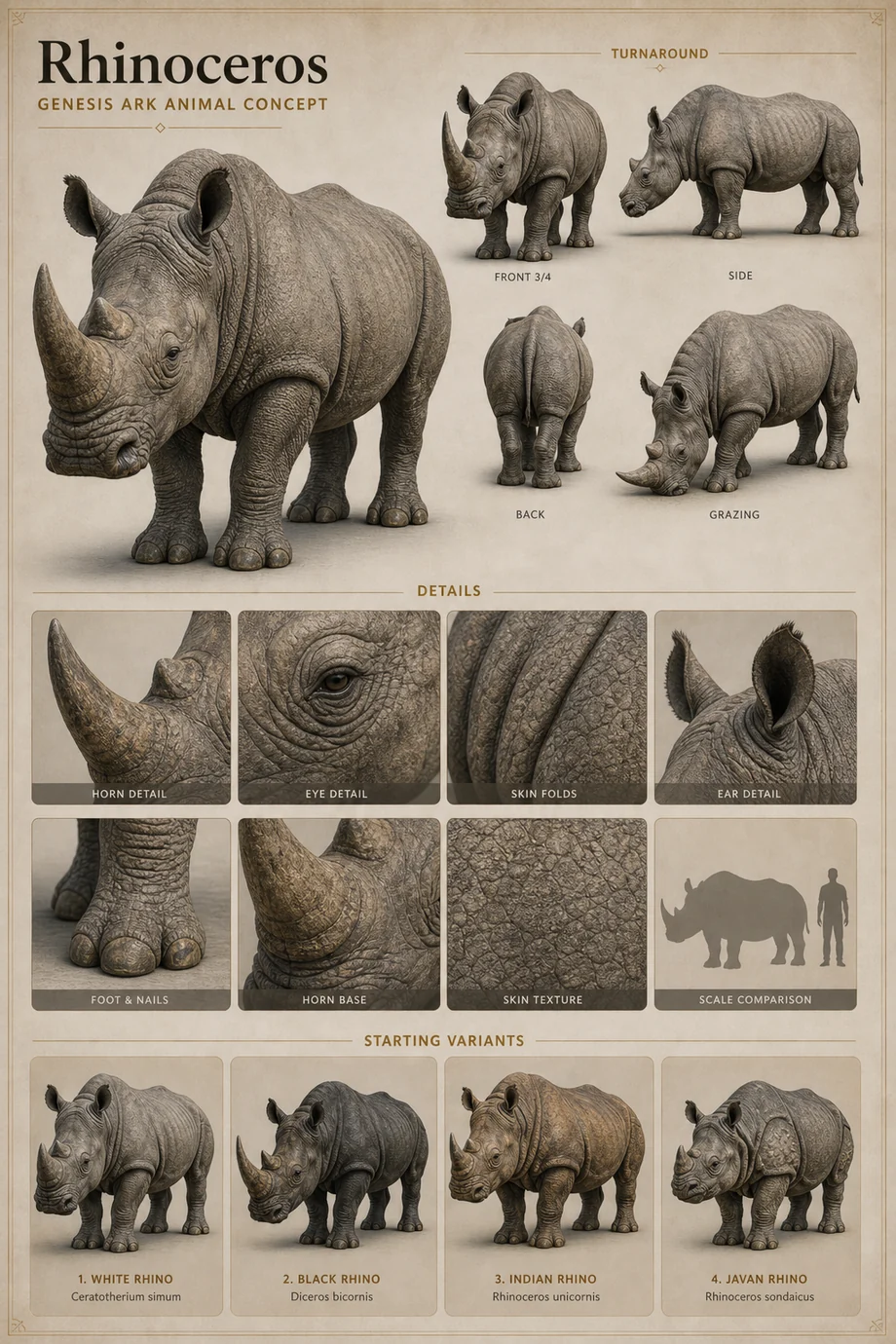 Mammals / Large Mammals
Rhinoceros
Mammals / Large Mammals
Rhinoceros
Horned large mammal with a public concept candidate.
Open page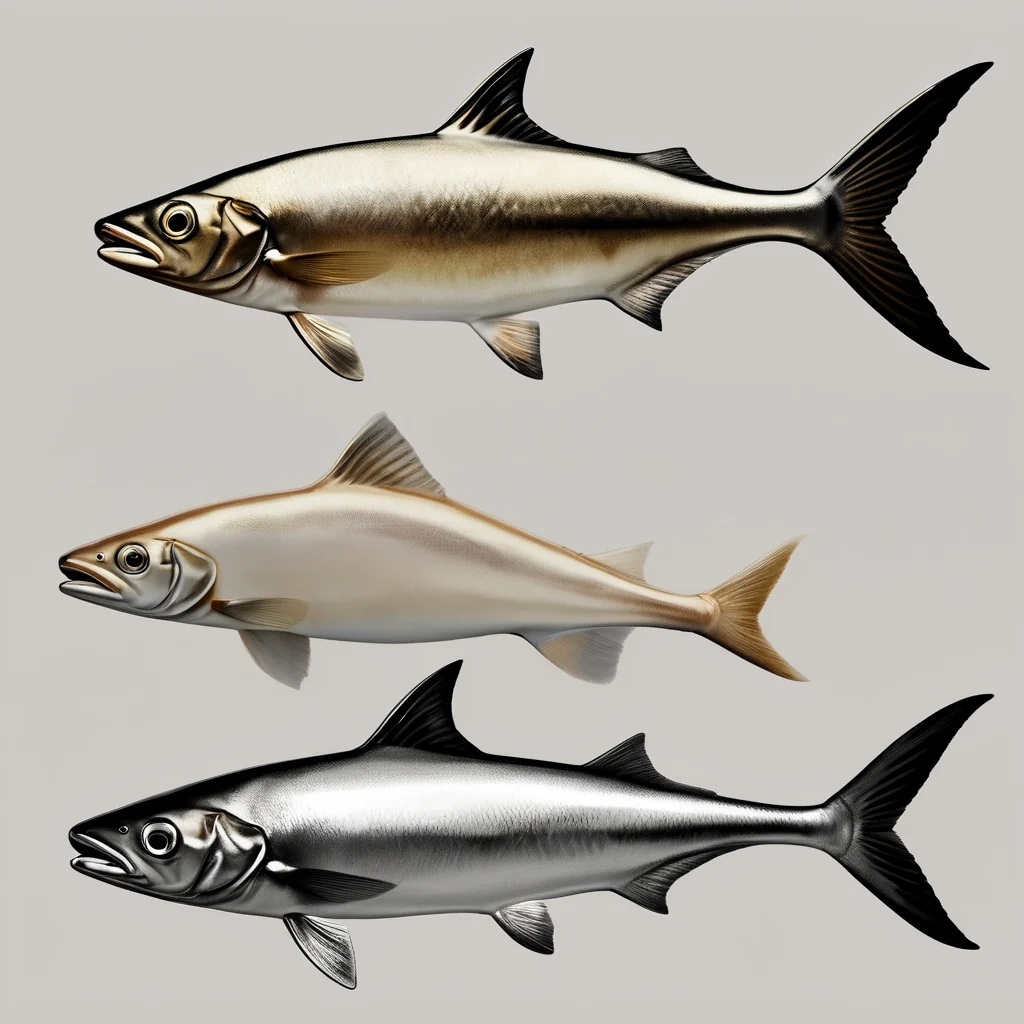 Sea Life / Small Animals
Sardine
Sea Life / Small Animals
Sardine
Small schooling fish concept with accepted public candidates.
Open page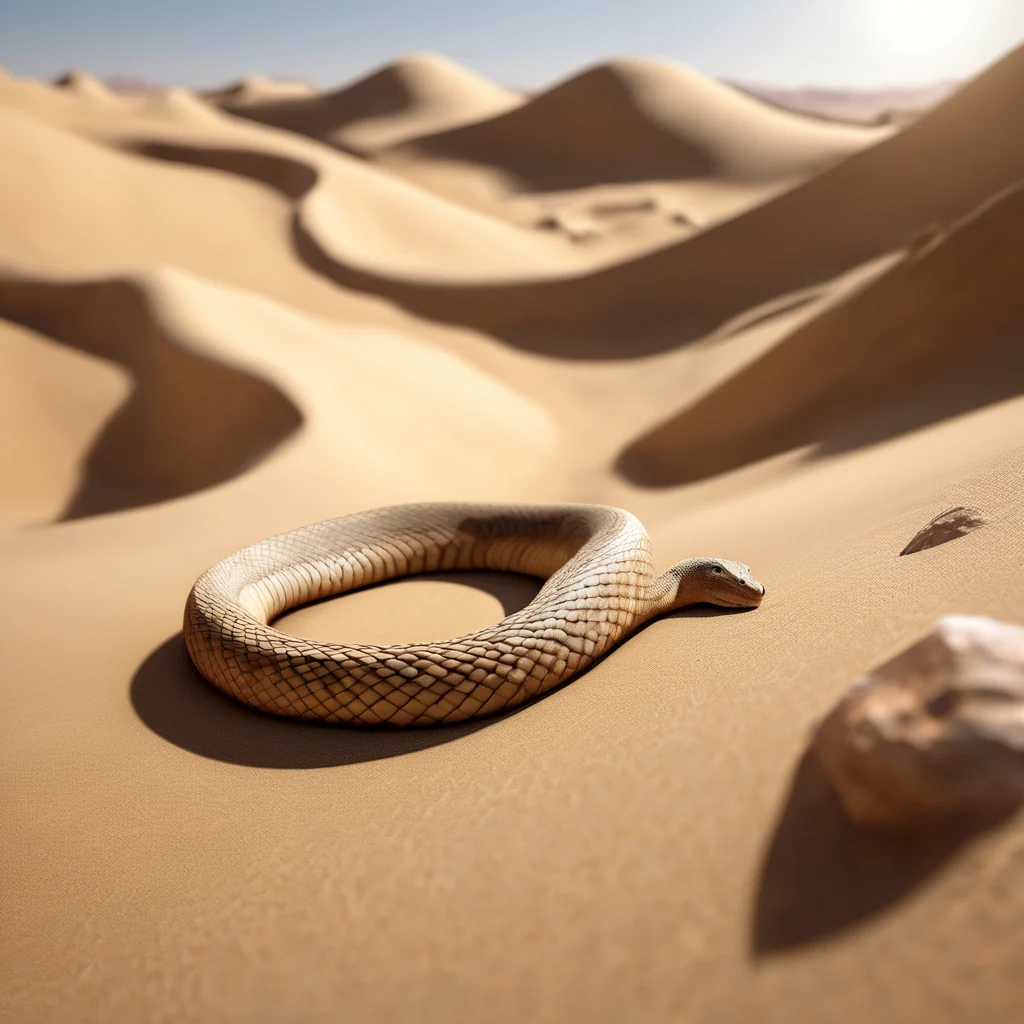 Reptiles / Predators / Desert Creatures
Serpent
Reptiles / Predators / Desert Creatures
Serpent
Desert serpent concept with accepted public candidates.
Open page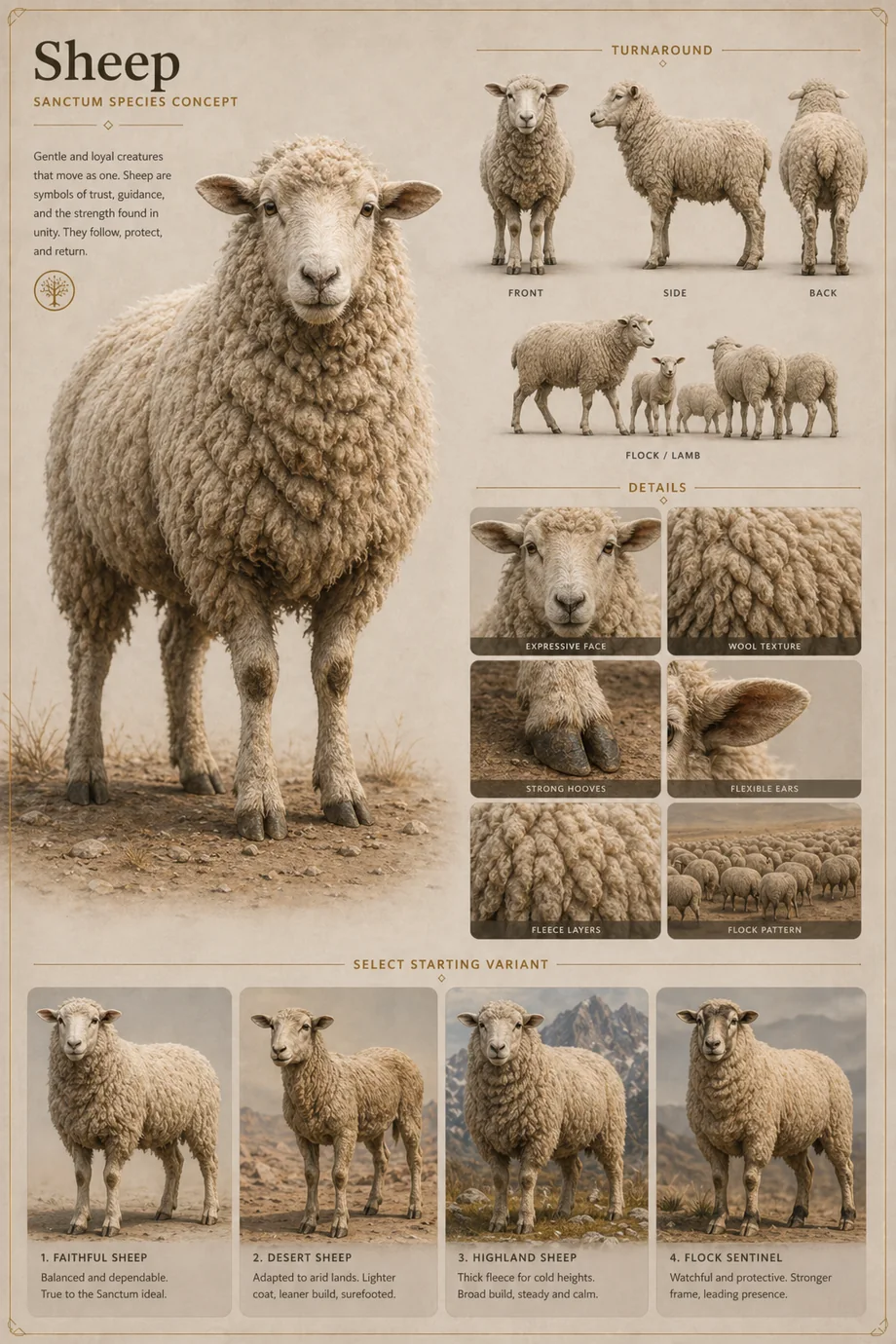 Mammals / Herd Animals / Work Animals
Sheep
Mammals / Herd Animals / Work Animals
Sheep
Pastoral herd mammal with a public concept sheet.
Open page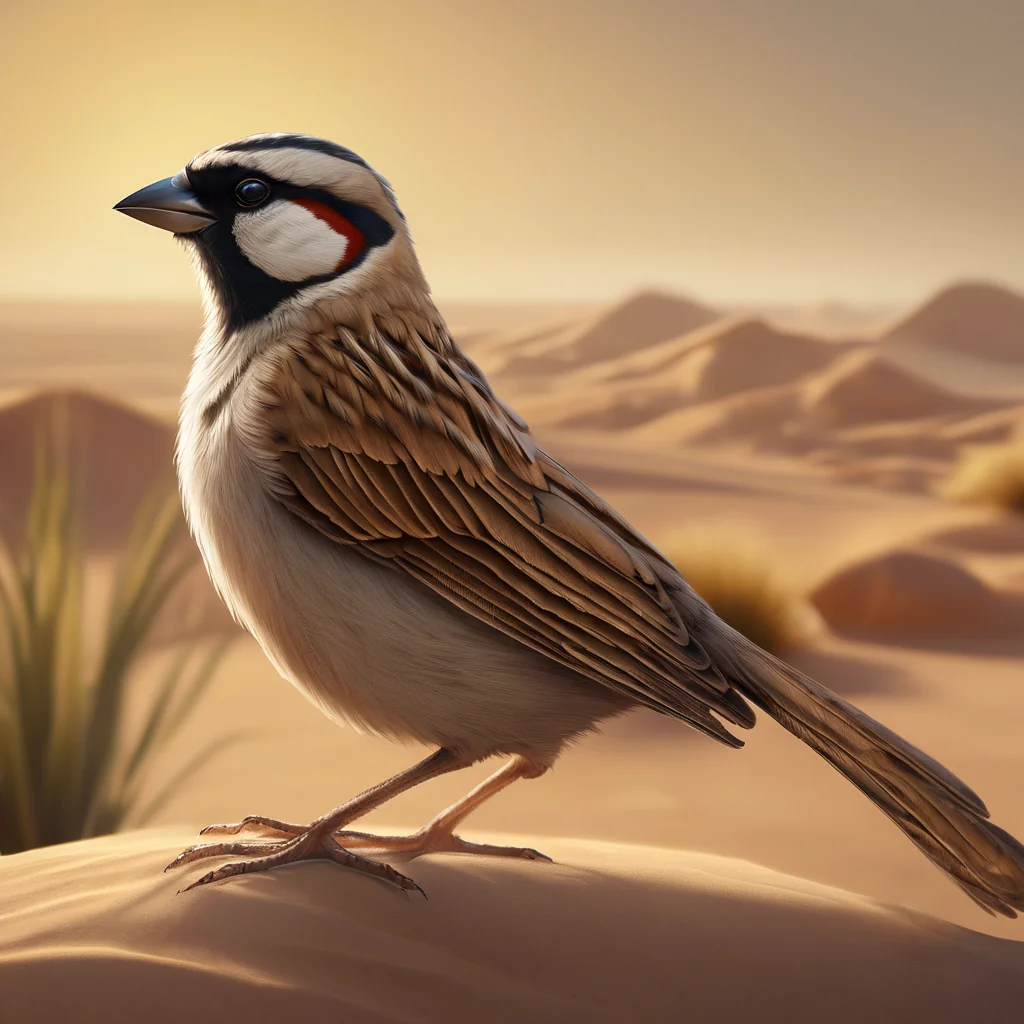 Birds / Small Animals / Desert Creatures
Sparrow
Birds / Small Animals / Desert Creatures
Sparrow
Small passerine concept with an accepted public candidate.
Open page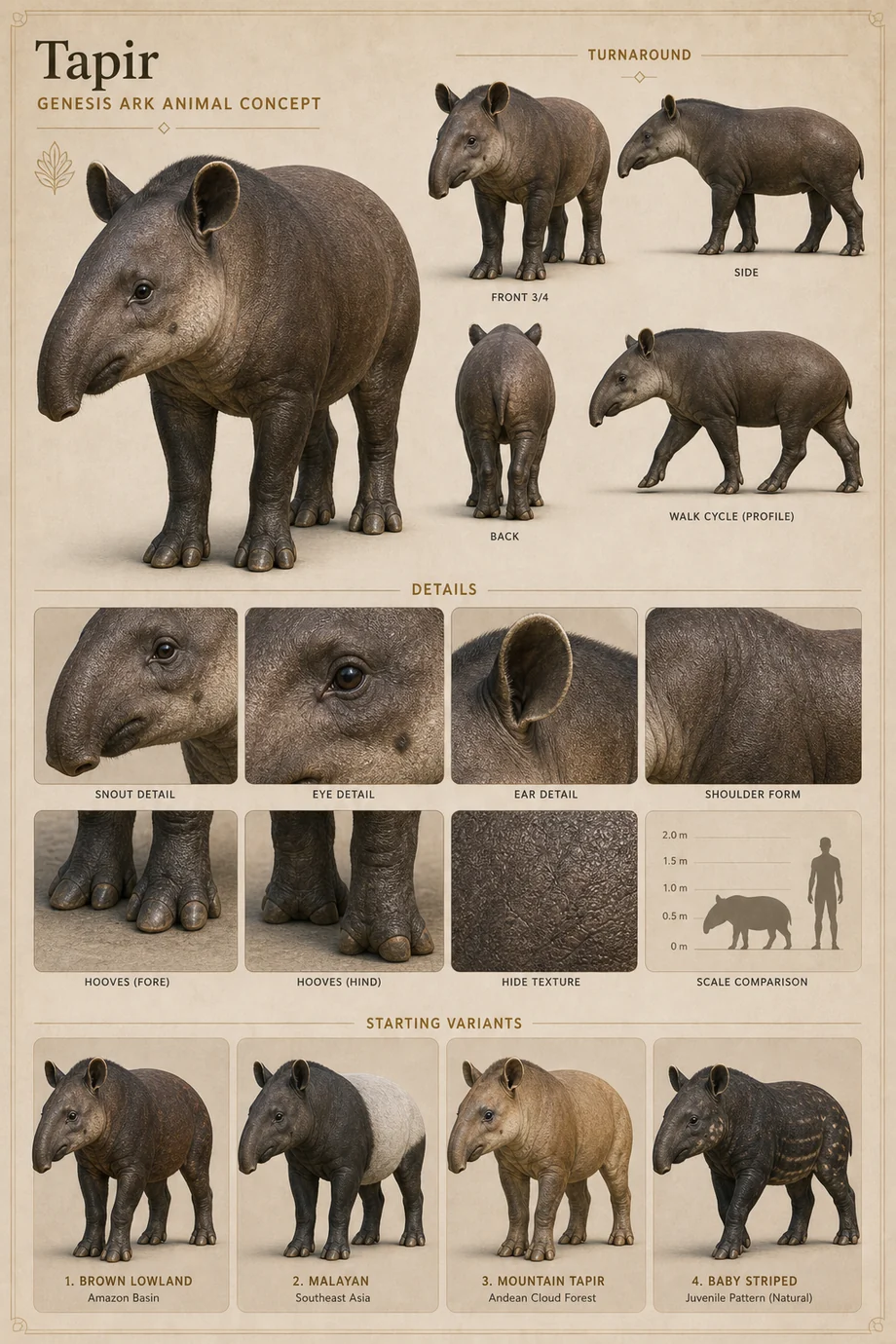 Mammals
Tapir
Mammals
Tapir
Odd-toed mammal with a public concept candidate.
Open page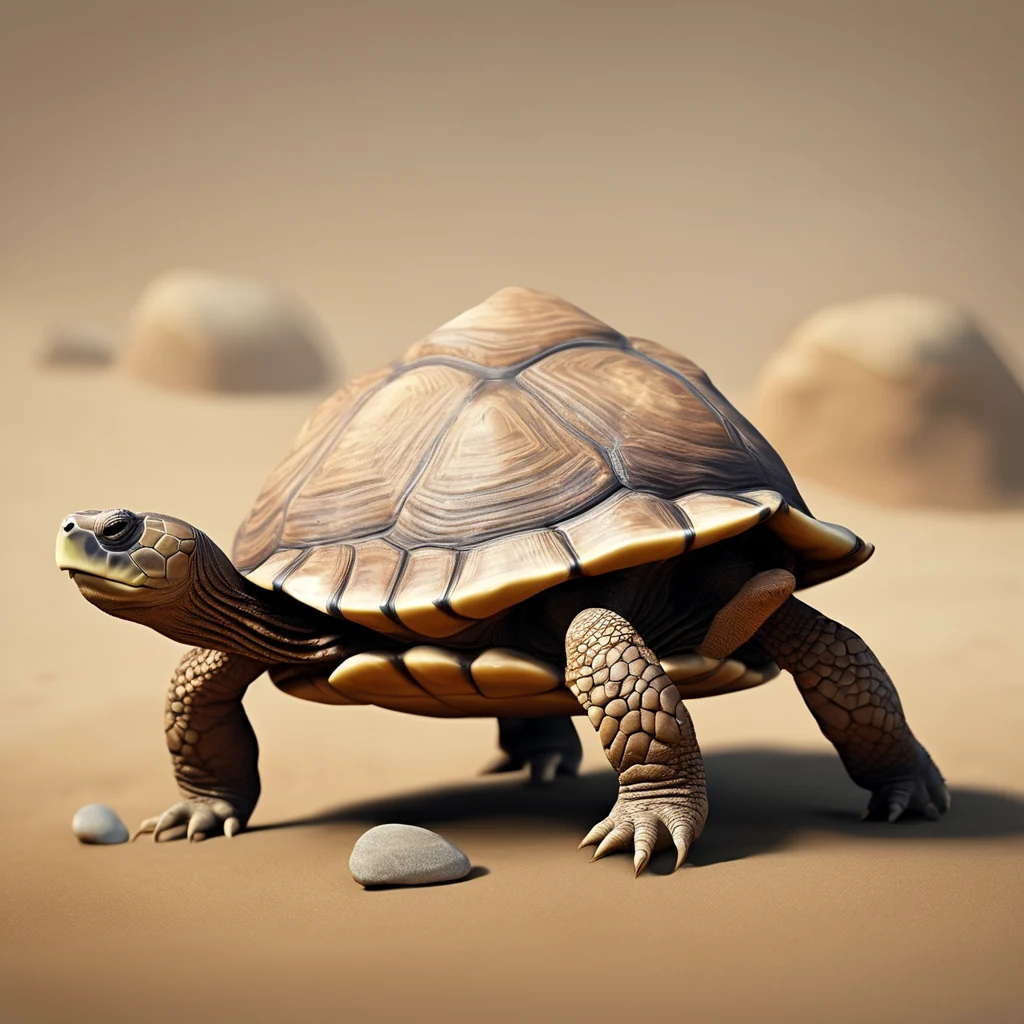 Reptiles / Desert Creatures
Tortoise
Reptiles / Desert Creatures
Tortoise
Shelled land reptile concept with accepted public candidates.
Open page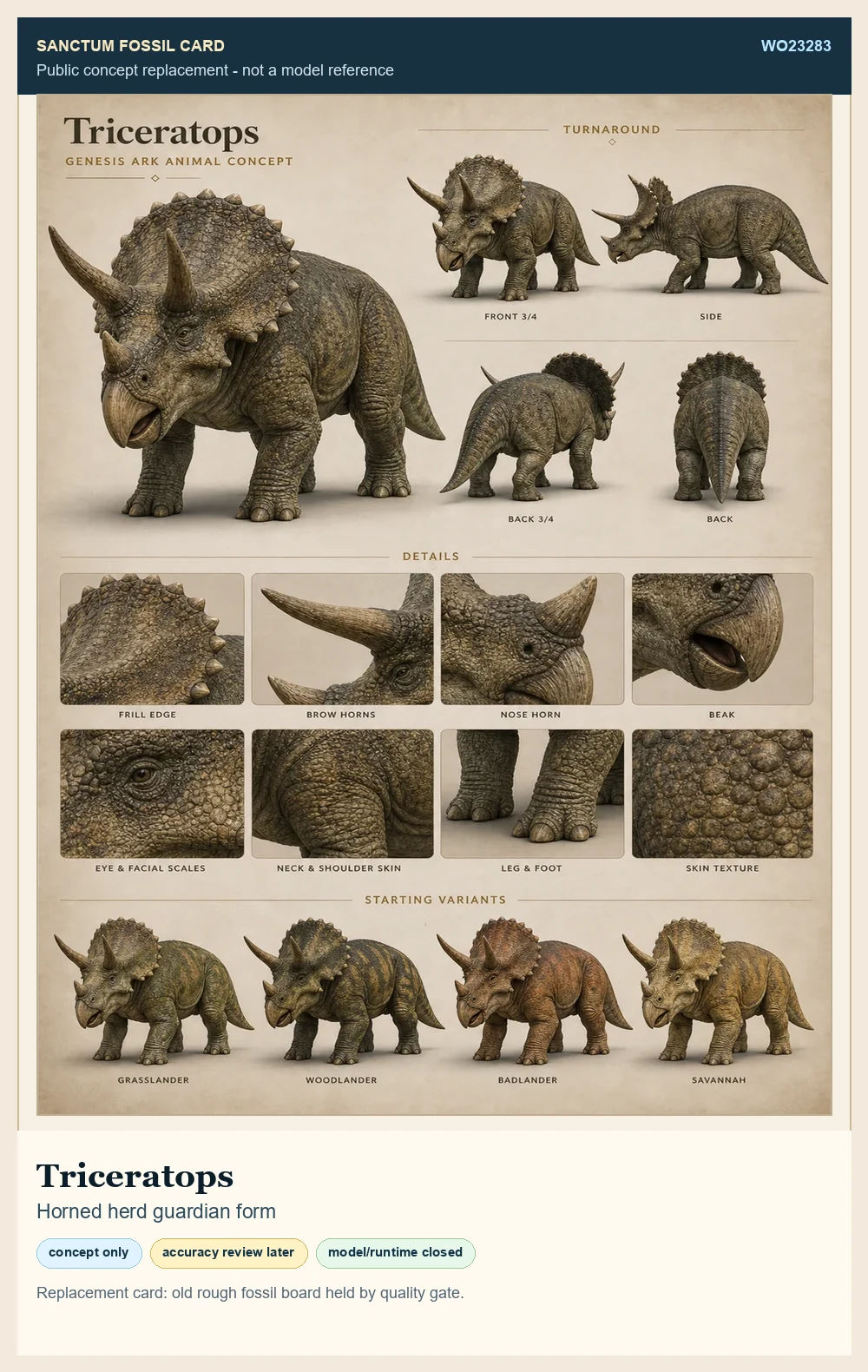 Fossil Organisms / Reptiles / Dinosaurs
Triceratops
Fossil Organisms / Reptiles / Dinosaurs
Triceratops
Horned fossil herbivore with a public replacement card.
Open page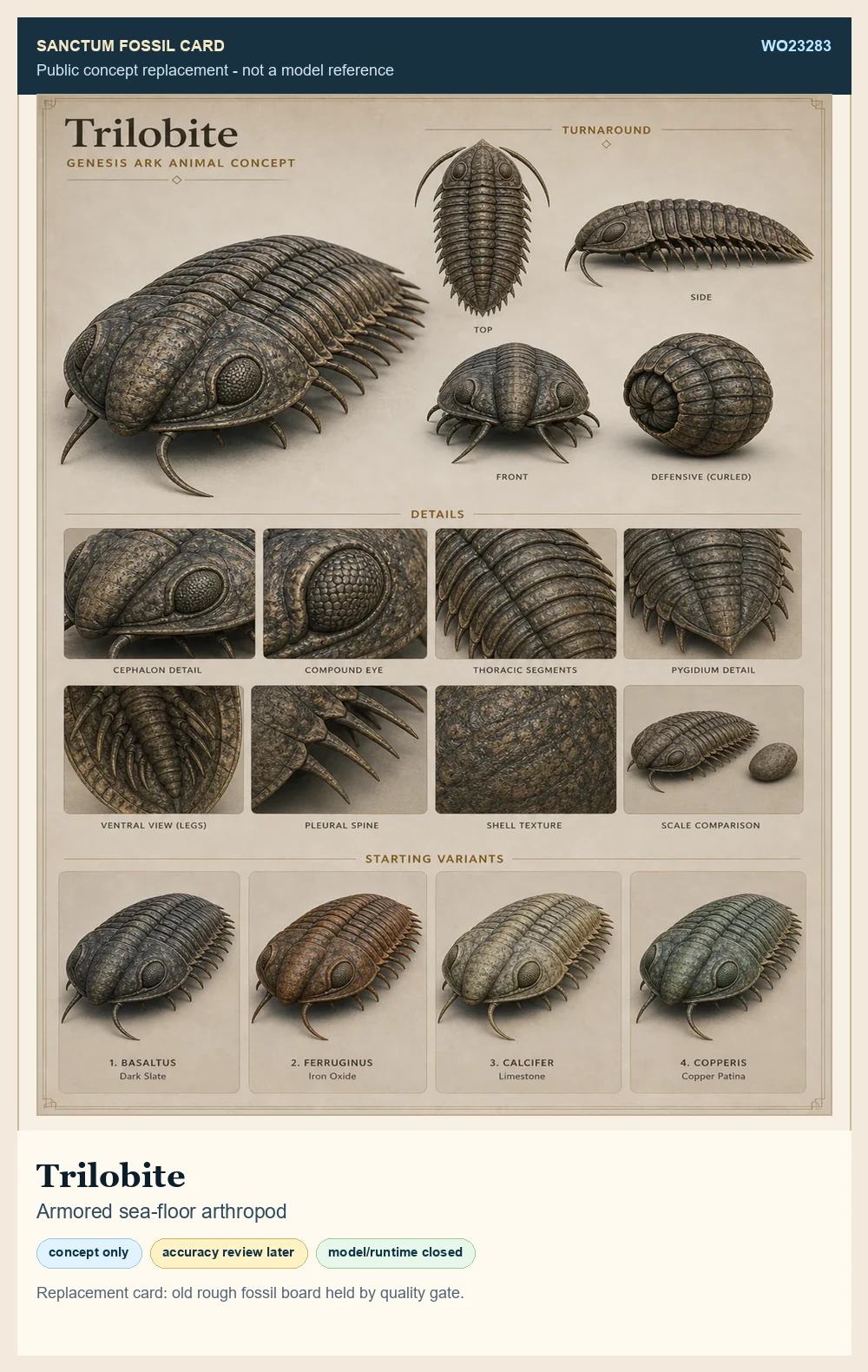 Fossil Organisms / Invertebrates / Sea Life / Fossil Invertebrates
Trilobite
Fossil Organisms / Invertebrates / Sea Life / Fossil Invertebrates
Trilobite
Armored fossil arthropod with replacement card.
Open page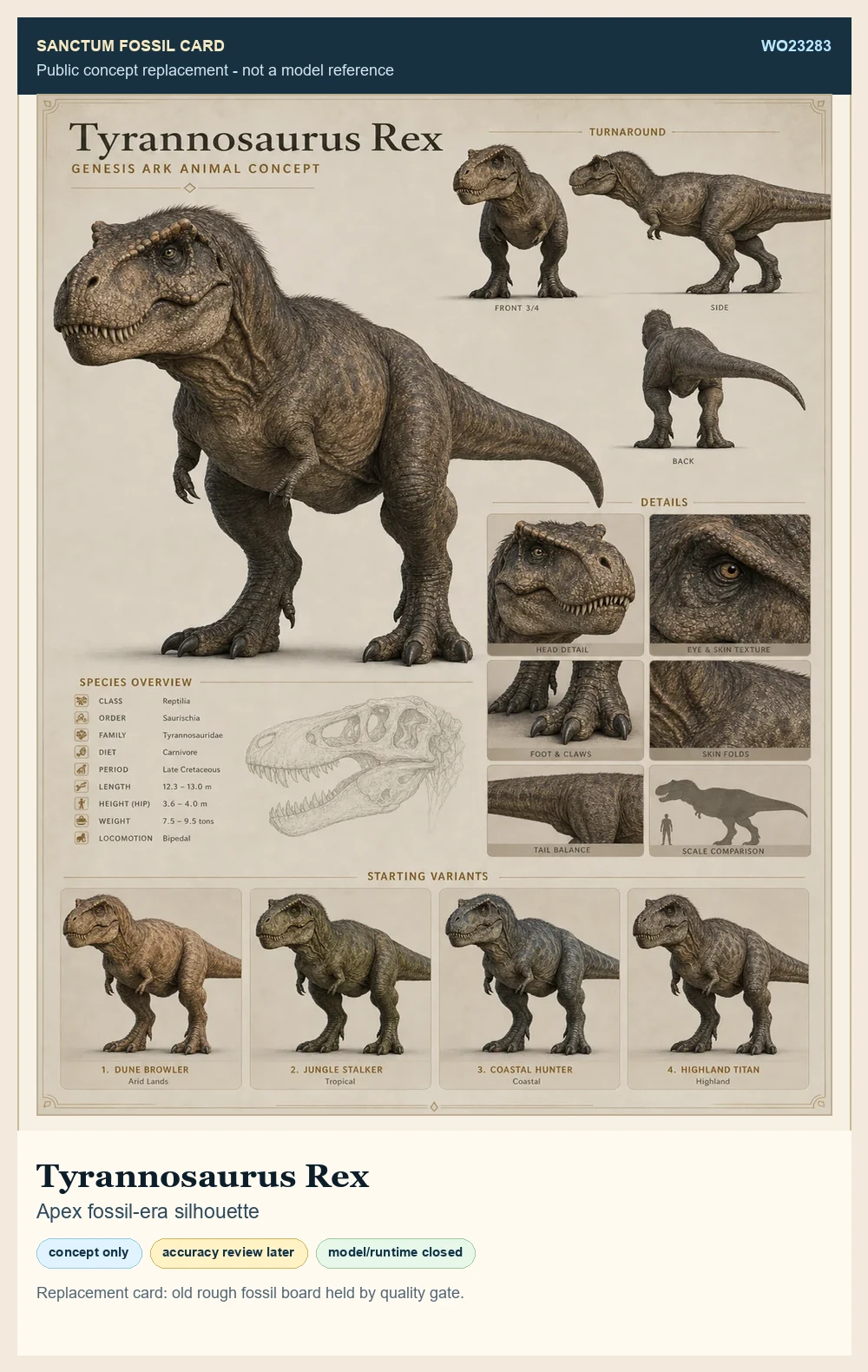 Fossil Organisms / Reptiles / Dinosaurs / Predators
Tyrannosaurus Rex
Fossil Organisms / Reptiles / Dinosaurs / Predators
Tyrannosaurus Rex
Large fossil predator with a public replacement card and closed model gates.
Open page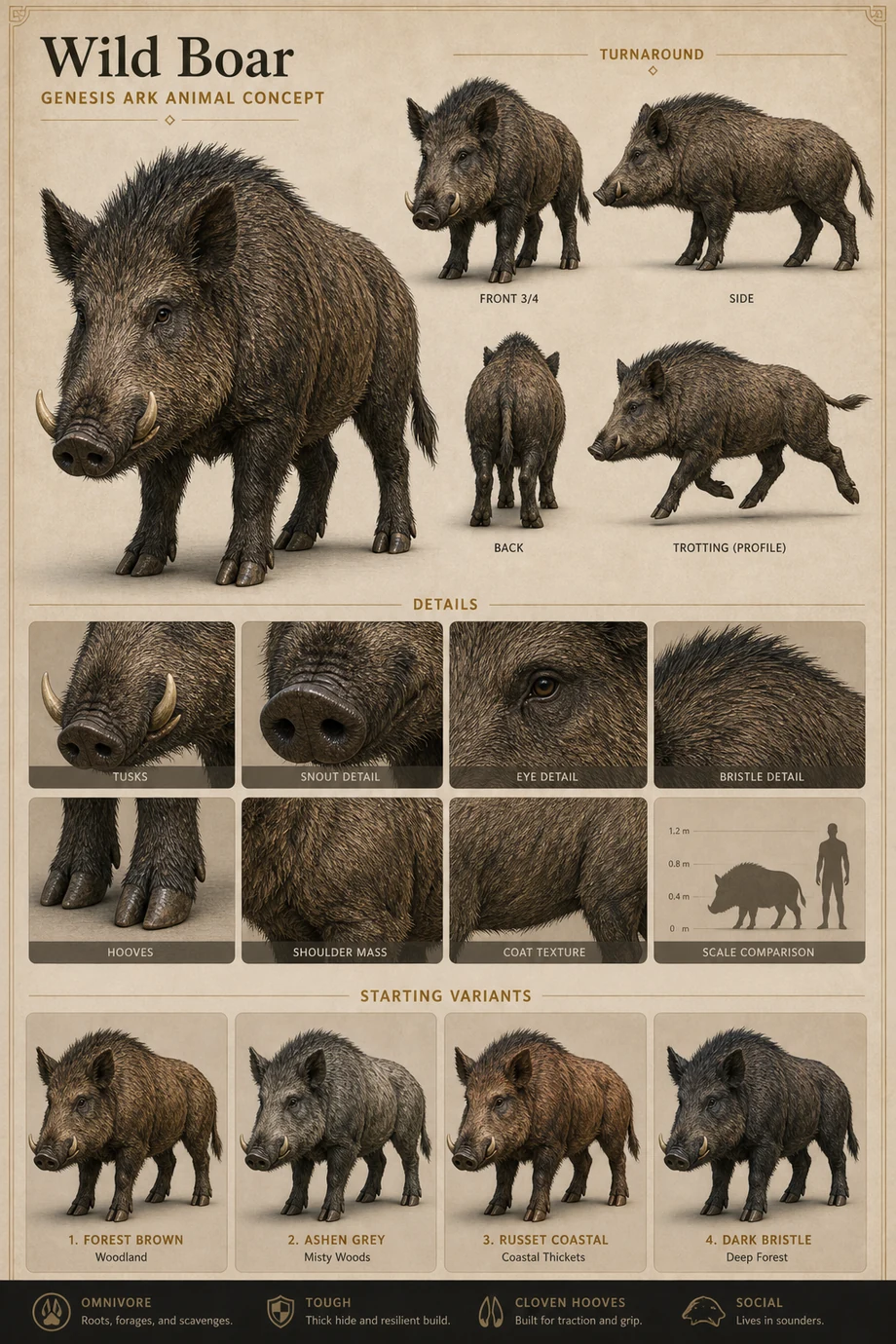 Mammals / Herd Animals / Encounter Creatures
Wild Boar
Mammals / Herd Animals / Encounter Creatures
Wild Boar
Tough mammal with both animal and creature concept visuals.
Open page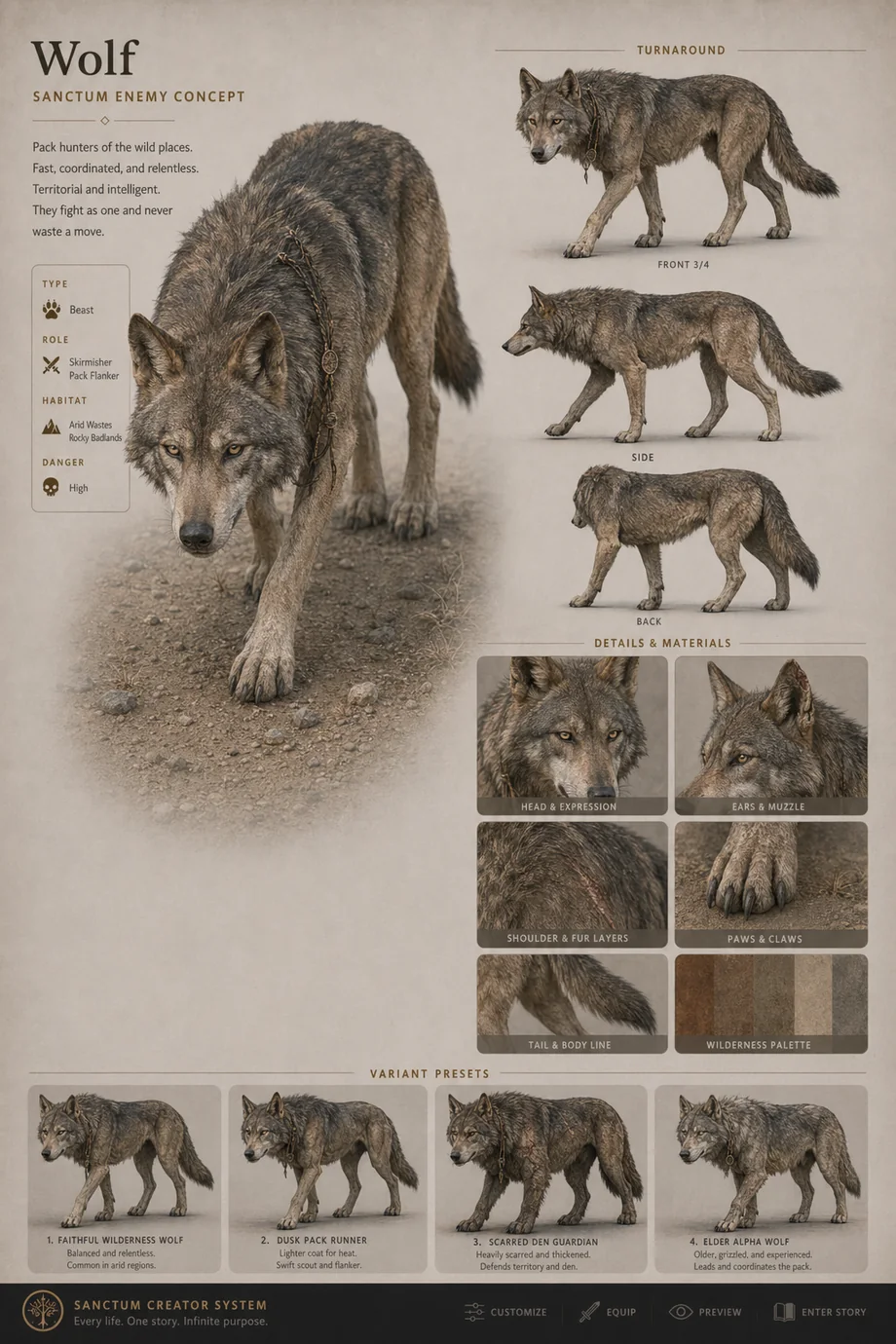 Mammals / Predators / Encounter Creatures
Wolf
Mammals / Predators / Encounter Creatures
Wolf
Pack predator creature concept with a direct page.
Open page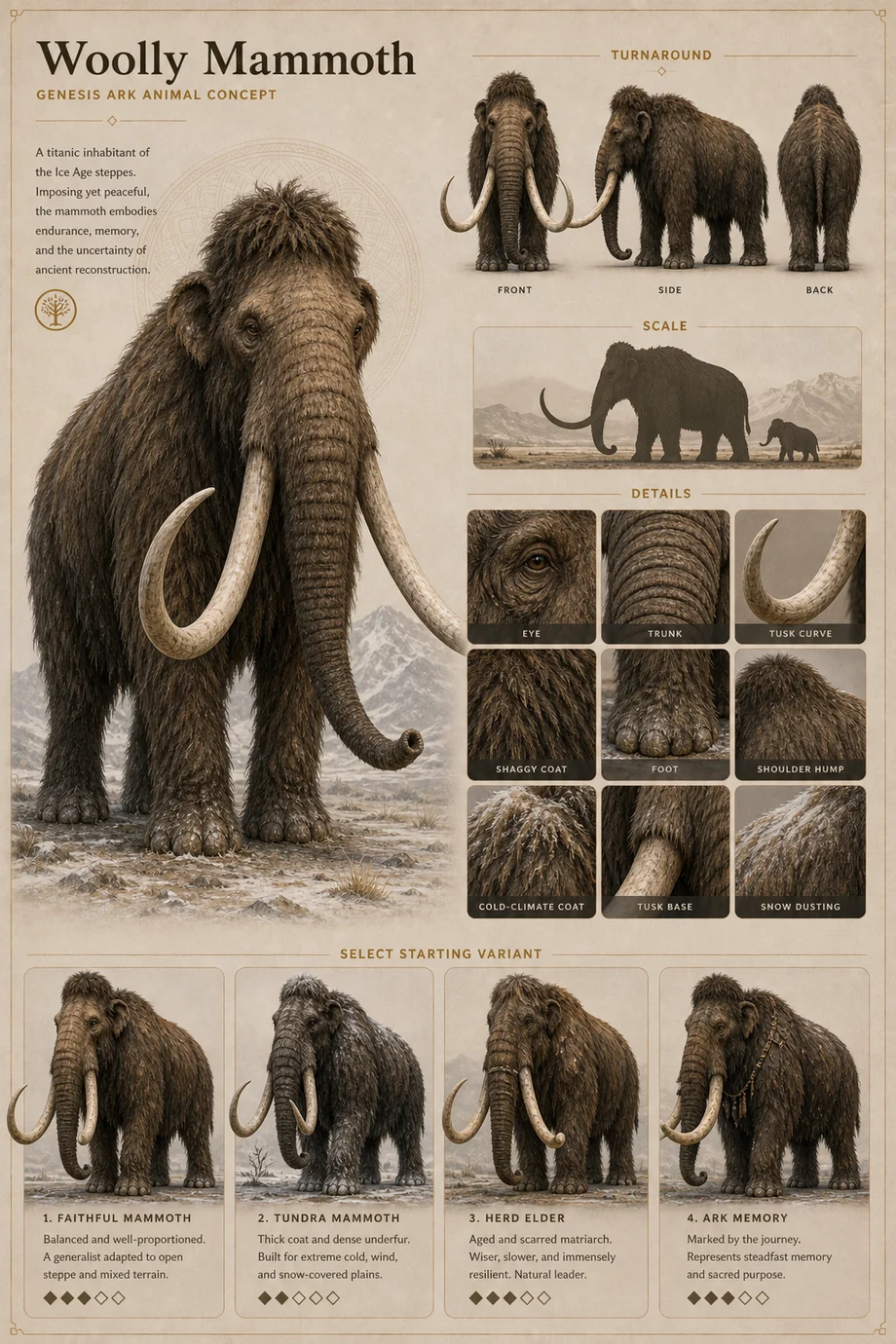 Mammals / Fossil Organisms / Large Mammals
Woolly Mammoth
Mammals / Fossil Organisms / Large Mammals
Woolly Mammoth
Fossil-era mammal with cold-climate visual direction.
Open page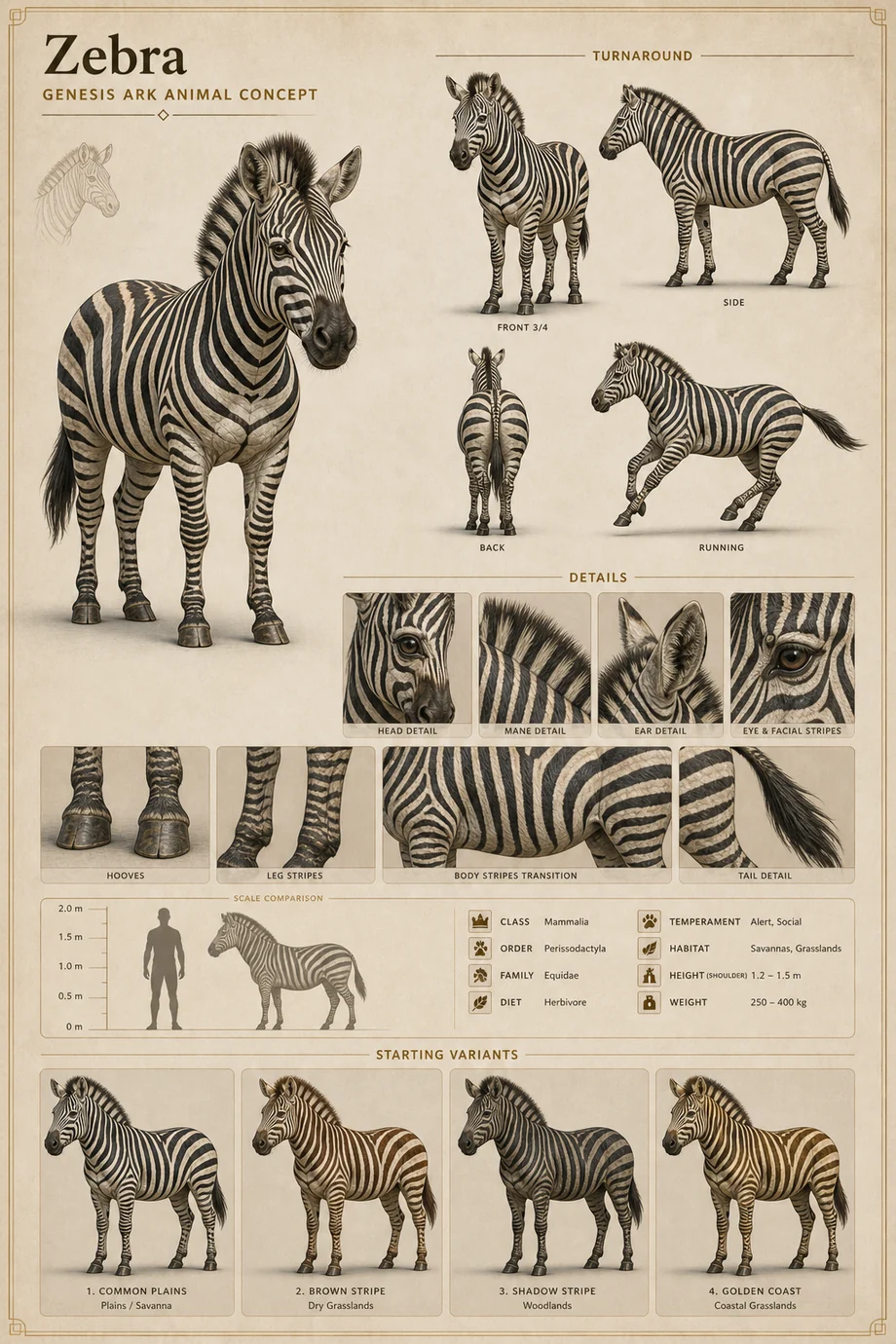 Mammals / Herd Animals
Zebra
Mammals / Herd Animals
Zebra
Striped mammal concept and future atlas entry.
Open pageThousands of family pages can be browsed without making the site heavy.
The next layer uses the proofed Animalia family shard index as virtual family pages. It is source-queue navigation only; direct species pages remain curated and proof-gated.
Search the family queue for entries such as Bovidae, Felidae, Miacidae, Rhinocerotidae, Accipitridae, and Tyrannosauridae.
Open atlas Class shelf Insecta2,222 families grouped in one landing page to keep browse structure clean.
Open class shelf Order shelf Coleoptera258 families grouped in this order route for faster navigation.
Open order shelf Example family route BovidaeFamily landing page for the herd-animal source queue behind Bison, Buffalo, Gazelle, Goat, Sheep, and related targets.
Open family Example fossil route TyrannosauridaeFamily landing page for the dinosaur source queue near the T. rex public organism page. Fossil accuracy stays gated.
Open family Rank 3139 example MiacidaeShows that lower-ranked family shards can be reached directly without turning every species into a public page today.
Open familyNavigation is live; model gates remain closed.
These pages make organisms easier to find. They do not claim accepted full sheets, final taxonomy review, GLB output, game import, Xbox packaging, runtime behavior, or private model-library promotion.